
Aesthetic Plastic Surgery - Sydney and Central Coast
Before & After Photo Gallery
The results displayed are specific to the individual patient presented and may not represent what other patients will experience. Outcomes can differ widely based on numerous factors such as each person’s genetics, presentation, diet, and exercise habits.
Book a consultation with Dr Vlad ILLIE to benefit from his personable approach and reliable commitment to providing every patient with the highest level of
surgical care.
Facial Aesthetic Surgery Gallery
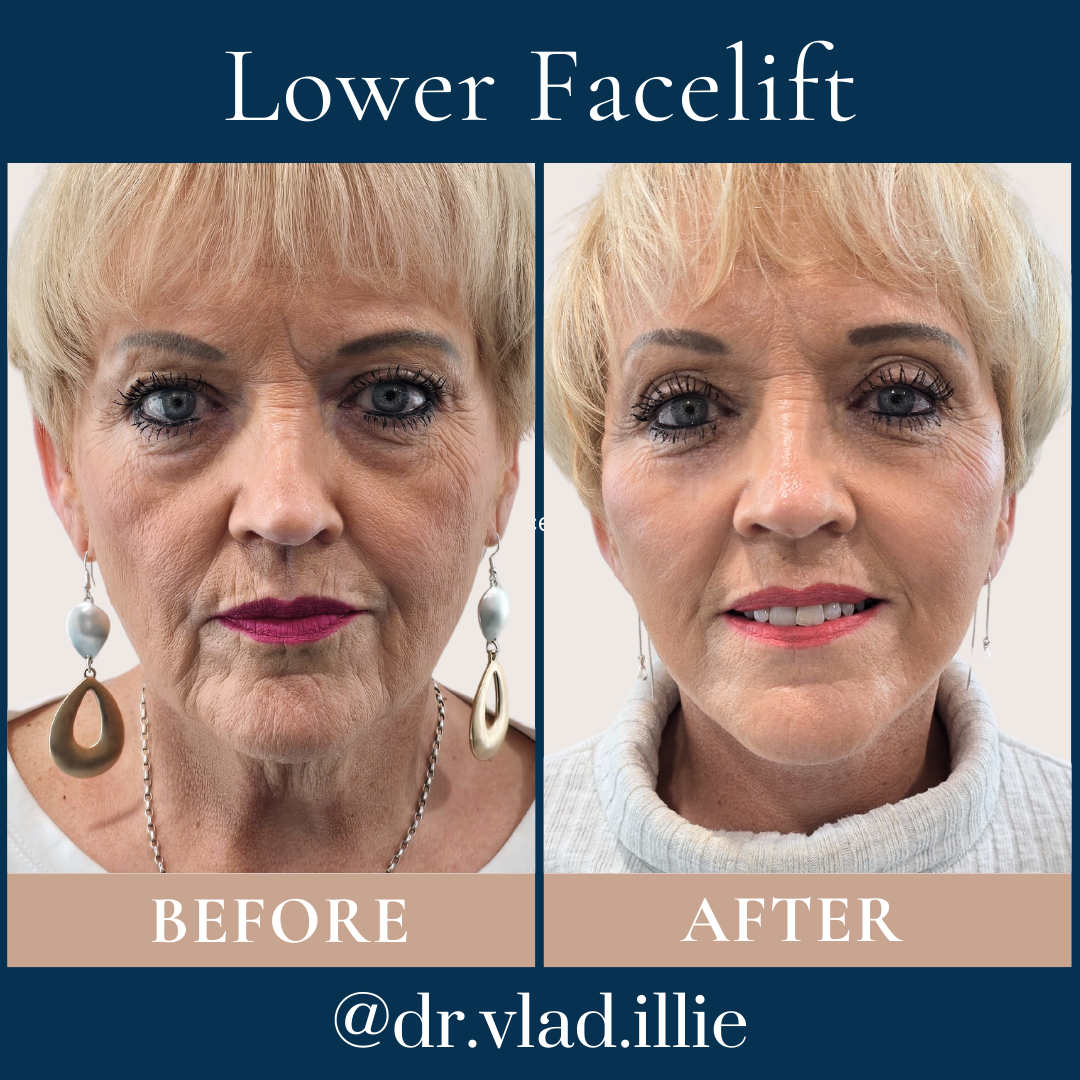
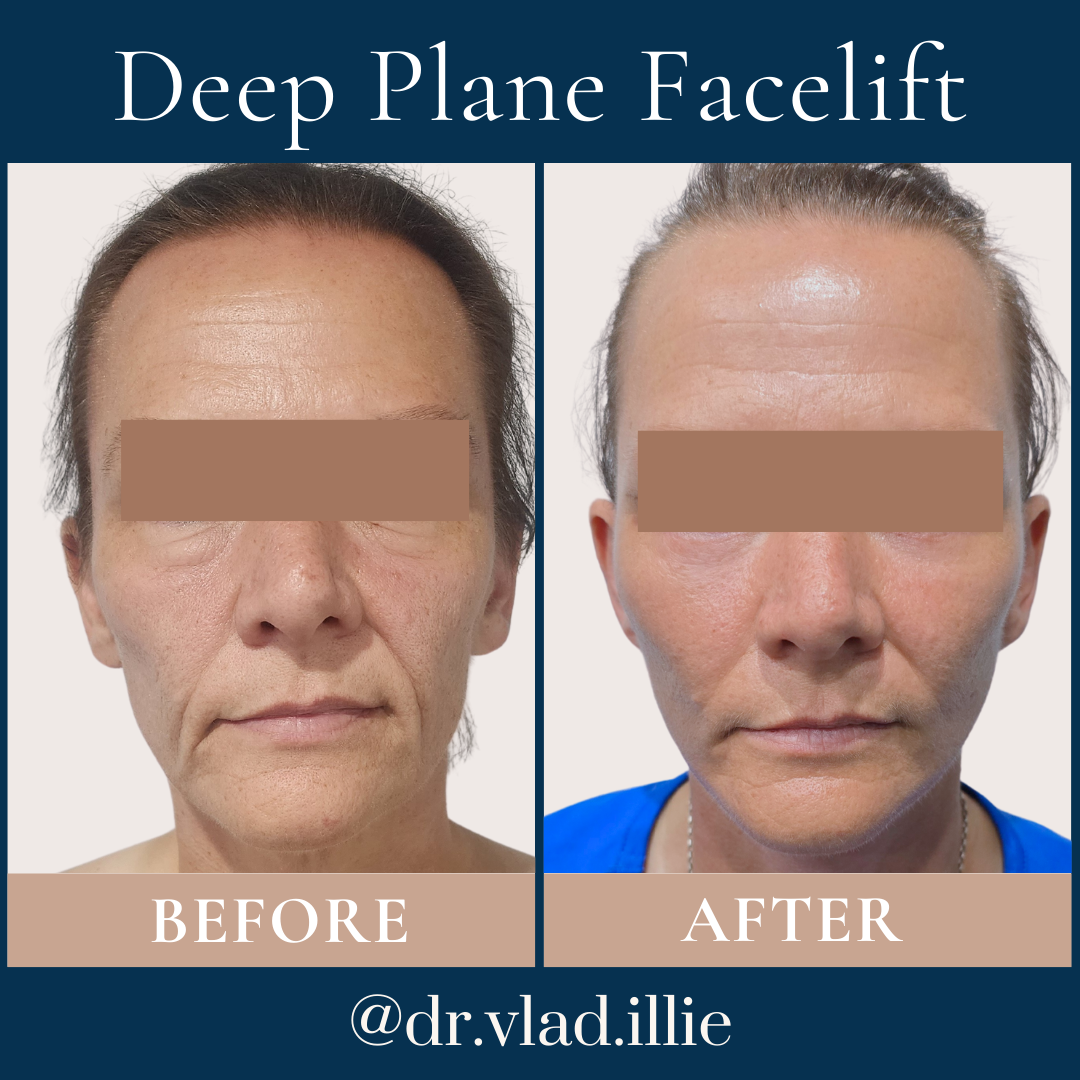
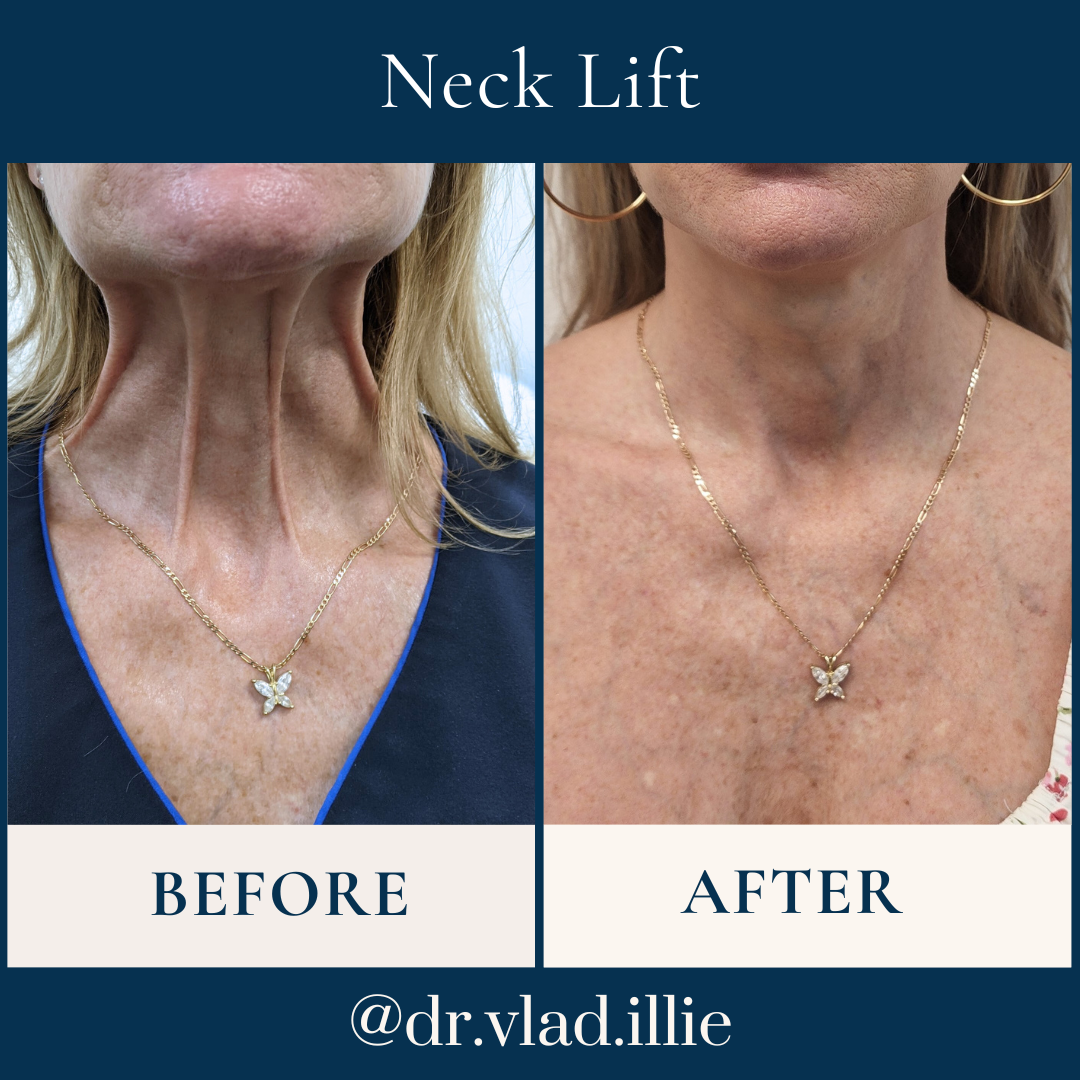
Dr ILLIE’S facial procedures work spans deep plane facelifts, neck lifts, upper and lower blepharoplasty, rhinoplasty, lip lifts, and brow lifts — each tailored to restore balance and harmony without an operated appearance.

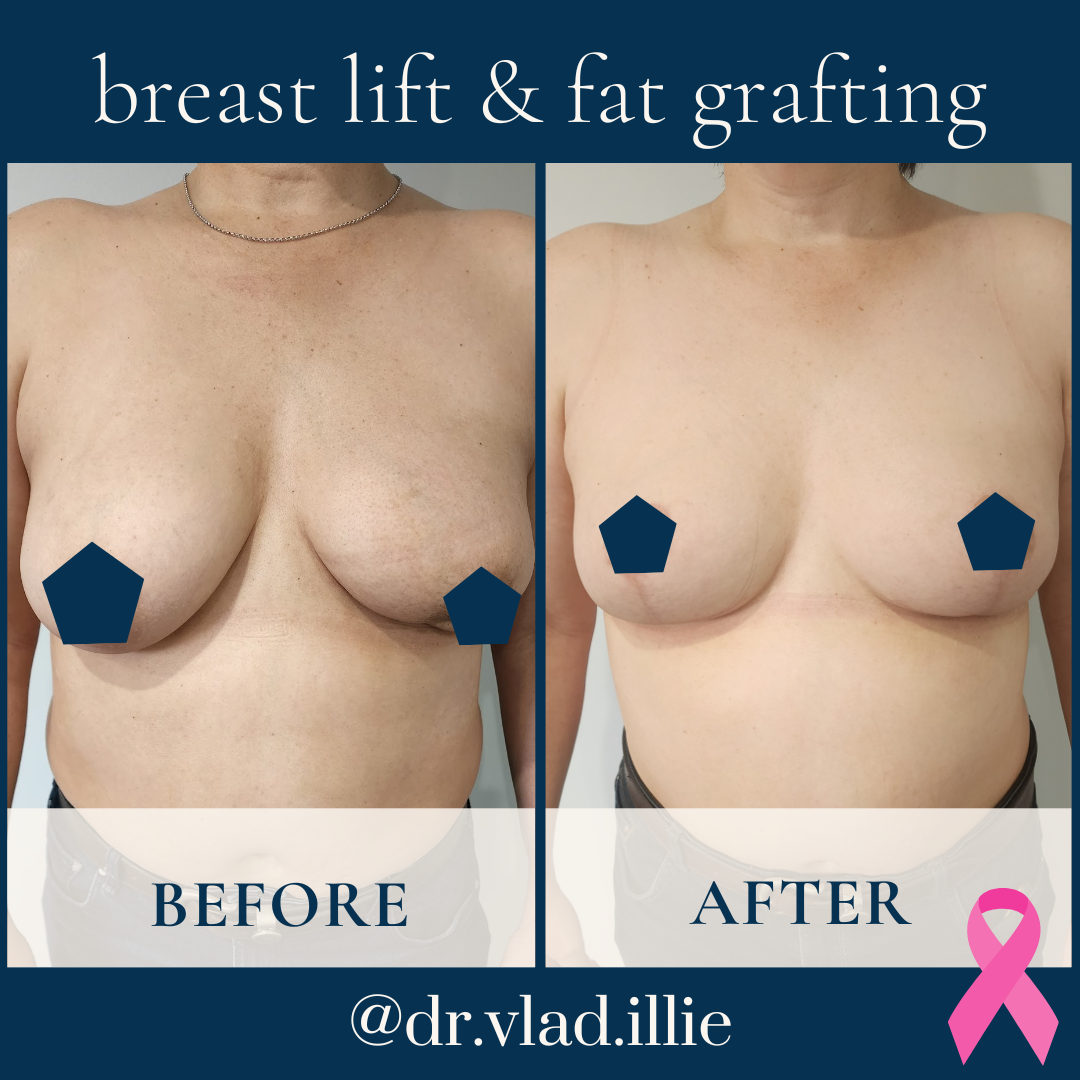
Breast Aesthetic Surgery Gallery
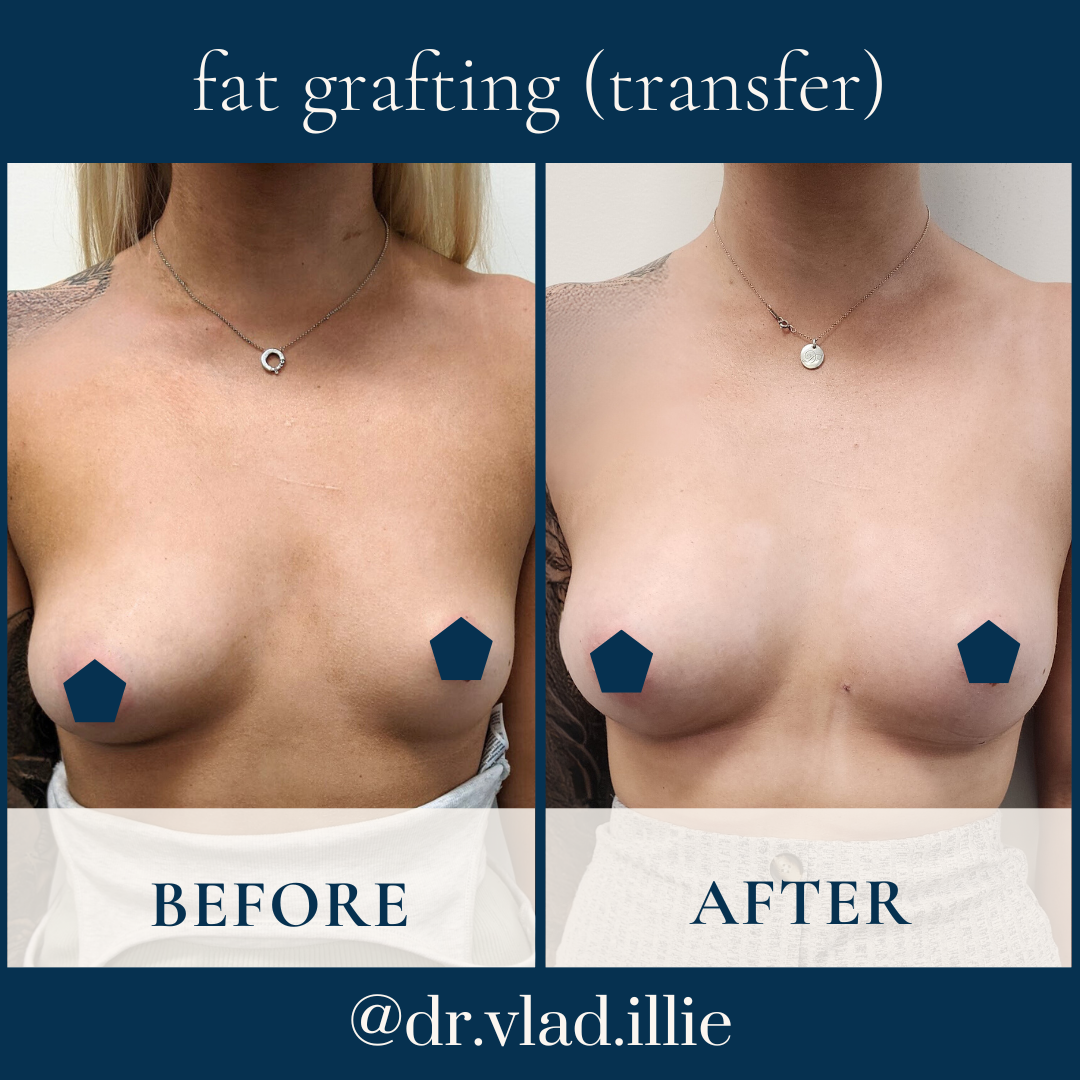
Showcasing outcomes for breast reductions, mastopexy (breast lift), combined lift with fat grafting, and augmentation mastopexy. These procedures restore proportion, relieve discomfort, and improve comfort following pregnancy or weight changes.


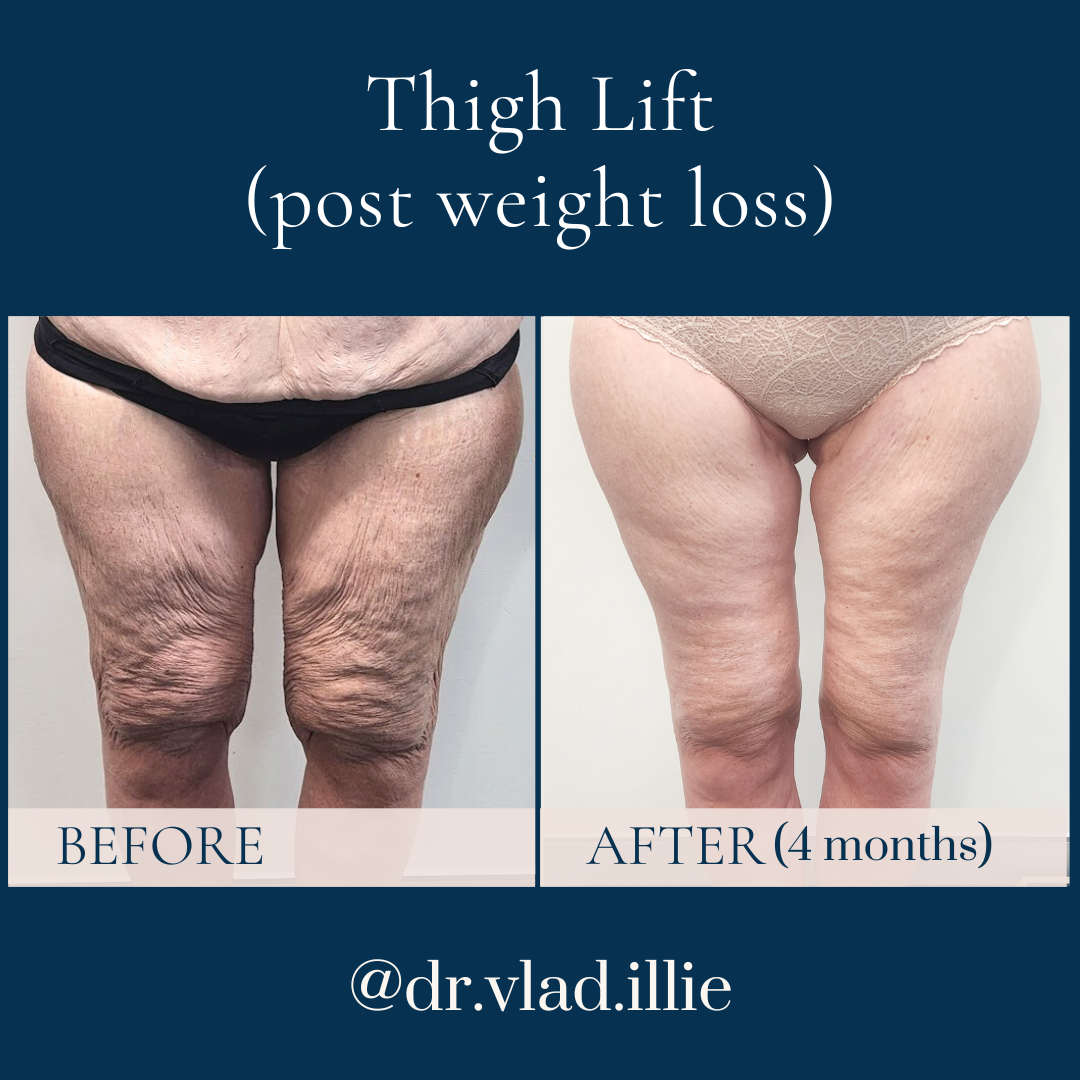
Body Aesthetic Surgery Gallery
From standard and radical abdominoplasty to fleur-de-lis techniques, liposuction, arm and thigh lifts, and post-weight loss body contouring — this gallery reflects transformative results for patients at every stage of their journey.



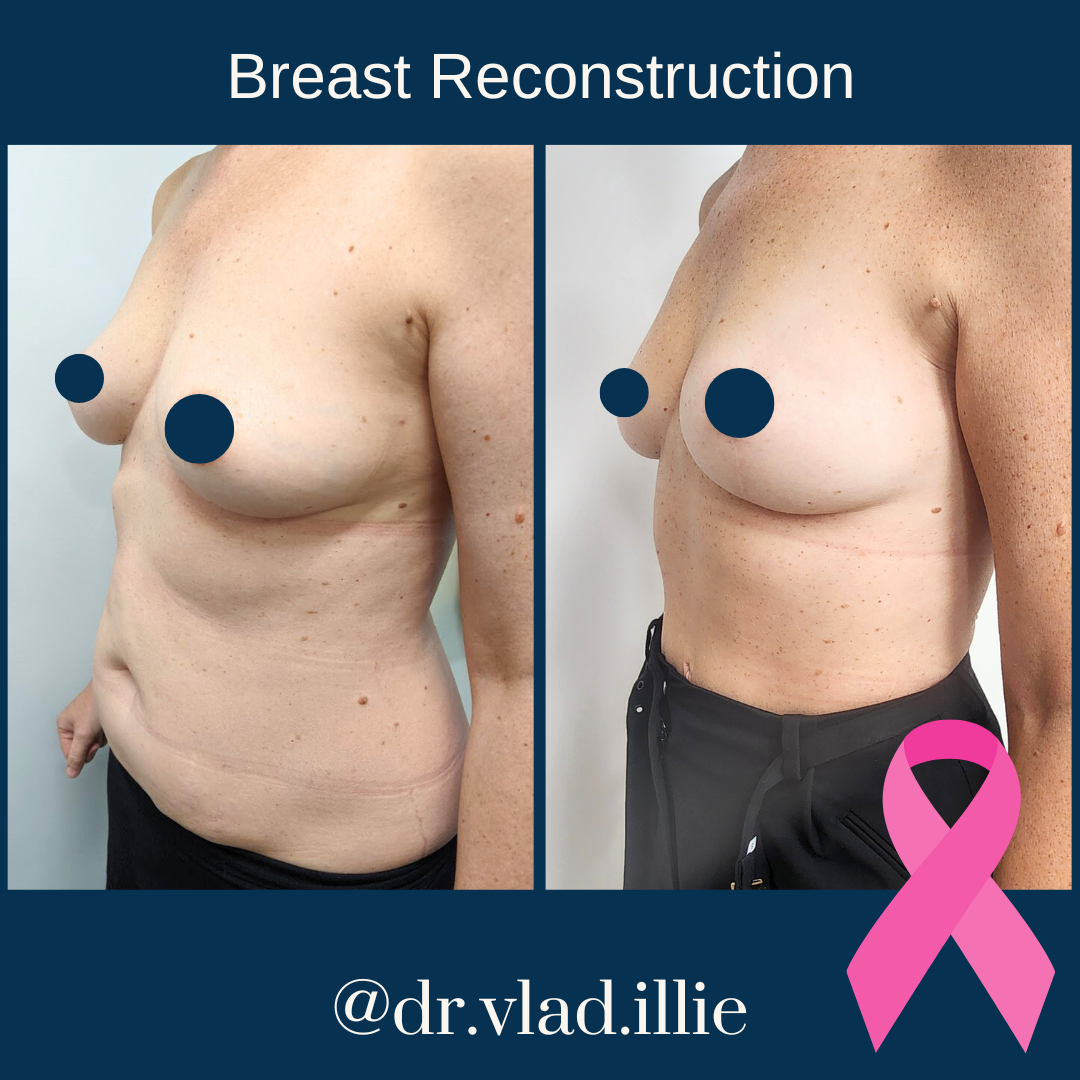
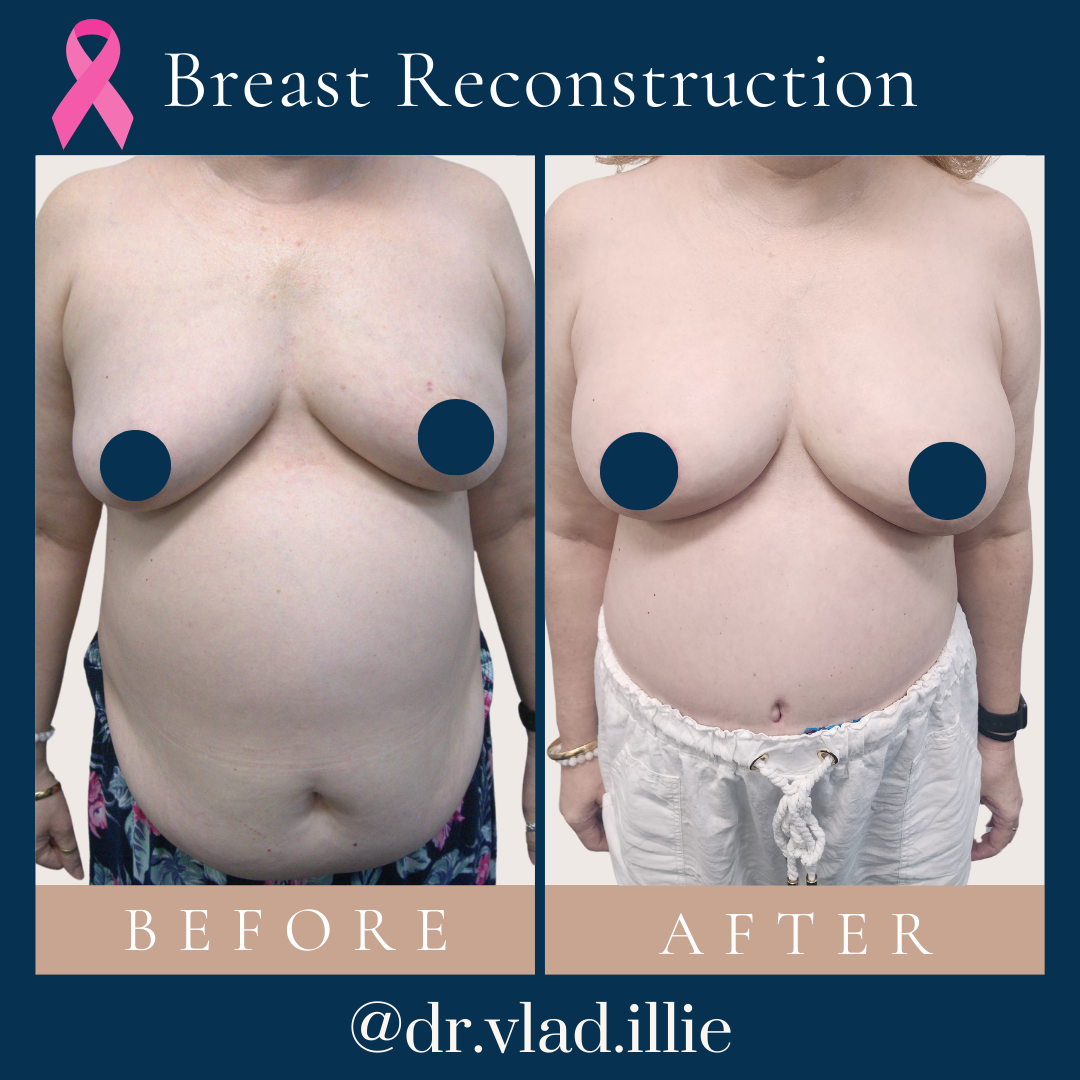
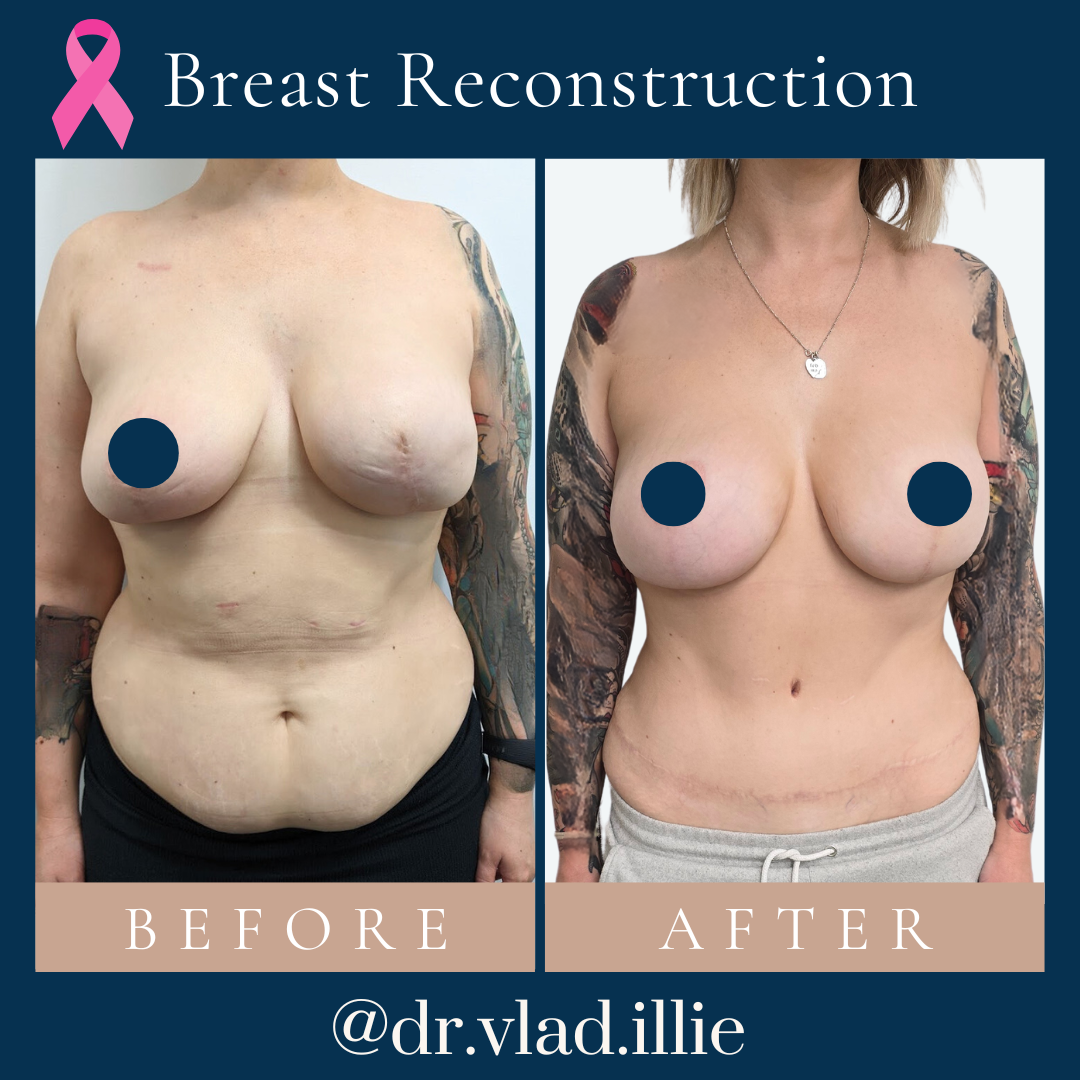
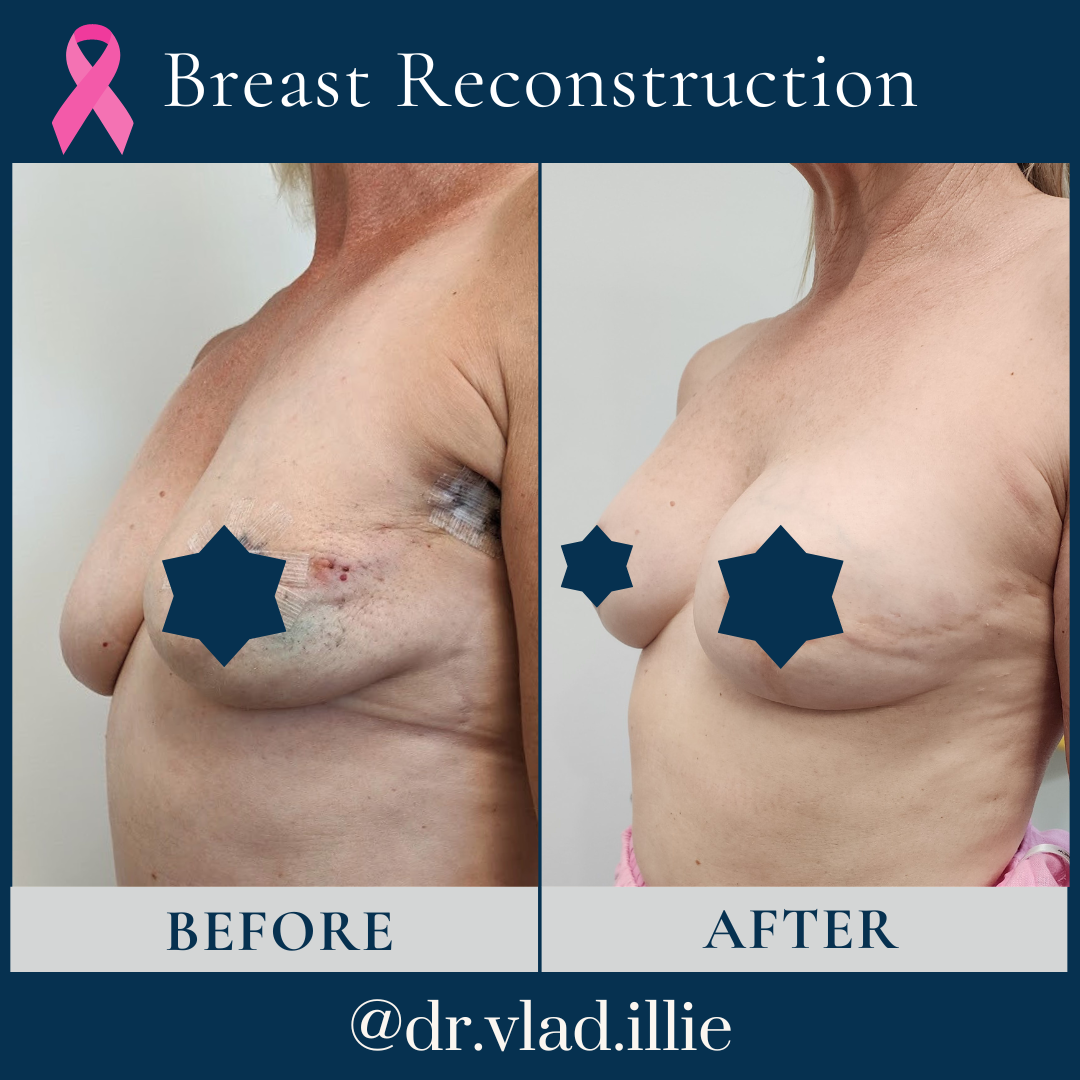
Breast Reconstruction Gallery
Dr ILLIE is one of Sydney’s leading reconstructive surgeons for post-mastectomy breast reconstruction, specialising in the DIEP free flap — a microsurgical technique that uses the patient’s own tissue to recreate the breast with natural form and feel.
Frequently Asked Questions
Are these cosmetic surgery photos edited or modified in any way?
No. The before-and-after photographs in Dr ILLIE’s gallery are unedited clinical photographs. They have not been filtered, retouched, cropped to conceal unfavourable areas, or otherwise altered to misrepresent the outcome. The images are taken in a consistent, standardised clinical photography setting with neutral lighting and controlled positioning to allow honest comparison between the pre- and post-operative state.
Dr ILLIE considers the integrity of his gallery a professional responsibility. As a Fellow of the Royal Australasian College of Surgeons (FRACS) and a member of the Australian Society of Plastic Surgeons (ASPS) and Australian Society of Aesthetic Plastic Surgeons (ASAPS), he is bound by professional and ethical standards governing how outcomes are presented to patients. You will find cases in the gallery where the result is excellent, and cases where the outcome is good but not perfect — because this is an honest record of real surgical results, not a curated highlight reel.
From that assessment, he selects the technique that fits what the anatomy actually requires. Some patients are best served by a lower facelift, which targets the jawline and lower face. Others have ageing changes that extend into the midface and require a deep plane approach — a technique that works at the level of the SMAS rather than just the skin, repositioning the deeper structural layer to achieve longer-lasting results that don’t carry the pulled or unnatural look associated with older techniques. For patients with milder concerns and good skin quality, a more limited procedure such as a mini facelift may be appropriate. Dr ILLIE does not default to a single technique across all patients; the selection is made based on what the anatomy indicates, not on what is most straightforward to perform.
During the consultation, Dr ILLIE explains his findings to the patient in practical terms — what he is seeing, what he would recommend, where the incisions would be placed, and why. He is explicit that the goal of facelift surgery is a result that looks like the patient, only refreshed, not a result that announces itself as surgery.
Why do some "after" photos look more swollen or firm than others?
Post-operative swelling is a normal and expected part of healing after any surgical procedure, and the amount present in an “after” photograph depends directly on when the photograph was taken relative to the operation. In the gallery, some images are taken at six to eight weeks post-operatively, when a significant proportion of the initial swelling has resolved but tissue remodelling is still ongoing. Others are taken at three, six, or twelve months — well into the final result. Cases photographed early will show some firmness or fullness that is swelling, not the permanent outcome.
Dr ILLIE notes the approximate post-operative timeframe in the caption for each case in the gallery, so you can contextualise what you are seeing. As a general guide, most procedures require three to six months before the result is meaningfully established, and twelve months before it can truly be considered final.
Why do scars look darker or more prominent in some "after" photos than others?
Scar appearance varies considerably between individuals, and this variation is primarily genetic rather than surgical. The same technique, the same suturing method, and the same post-operative care will produce a fine, pale scar in one patient and a broader, more pigmented scar in another. Skin type, hormonal status, sun exposure during healing, and the patient’s individual inflammatory and collagen-remodelling response all contribute to how a scar matures.
Some gallery images are also taken while the scar is still maturing — typically the first twelve to eighteen months post-operatively — during which it may appear pink, red, or raised before gradually fading. Cases with long-term follow-up photographs show the scar closer to its settled state. Where images show scars that appear more prominent, these represent the normal range of scar outcomes and are included because an honest gallery includes this variability, not just the best-case presentations.
Are the results in the three-month photos final, or will the body keep changing?
Three months post-operatively is not the final result for most procedures. It is a meaningful milestone — much of the initial swelling has resolved and the general shape of the outcome is apparent — but the tissues continue to soften, settle, and refine for considerably longer. For body contouring procedures such as abdominoplasty, the abdominal wall and overlying skin continue to soften and lose residual firmness for six to twelve months. For facelift surgery, the final settled result is not established until approximately nine to twelve months. Scars continue to mature and fade for twelve to eighteen months after any procedure.
This is why Dr ILLIE photographs patients at multiple timepoints and includes the post-operative date in each gallery caption. A three-month image and a twelve-month image of the same procedure can look quite different — both are real, but the later one represents the true final outcome.
Will my scars look as flat and faint as the ones in the long-term photos?
The long-term scar outcomes visible in Dr ILLIE’s gallery represent genuinely achieved results in those specific patients. Whether your scars will look similar depends on a combination of factors, some of which are within the surgical team’s control and some of which are not.
What Dr ILLIE controls is meticulous layered wound closure under minimal skin tension, appropriate suture materials for each tissue layer, and precise incision placement in anatomically favourable positions. What is largely outside surgical control is your individual genetic scar-forming tendency — the same procedure and the same wound care will produce different scar quality in different people. Patients with a history of keloid or hypertrophic scarring elsewhere on the body, or those with higher levels of skin melanin, tend to form more visible scars, and this is discussed during the consultation.
At your consultation with Dr ILLIE, he will assess your skin type and scarring history to give you an honest indication of what your individual scar outcome is likely to look like — rather than assuming your result will mirror a particular gallery case.
What happens if my scar stretches or thickens compared to what I see in the gallery?
Scar widening, thickening, or hypertrophy can occur even with ideal technique and post-operative care, particularly in areas subject to movement or tension — such as the lower abdomen after a tummy tuck or the inner arm after a brachioplasty. When this occurs, it does not necessarily mean anything went wrong — it may simply reflect how your particular tissue heals under the normal stresses of daily movement.
Dr ILLIE takes a comprehensive approach to scar management that goes well beyond simply closing the wound and reviewing at six weeks. His programme includes specific medical-grade cosmetic products applied to the scar from the point of wound healing, medical-grade silicone tape worn over the scar during the maturation period, and regular assessment of scar progress at post-operative appointments throughout the first twelve to eighteen months. Where a scar is developing in a way that warrants additional intervention, Dr ILLIE recommends in-clinic treatments — which may include corticosteroid injection into a raised scar, laser therapy, or other targeted treatments — to redirect the scar’s maturation and improve its long-term appearance. Patients are never simply told to wait and see; there are active measures available, and Dr ILLIE discusses and recommends them individually as warranted.
Do stretch marks disappear after surgery, or will they still show in the photos?
This depends on where the stretch marks are located relative to the area of skin being removed. In an abdominoplasty, for example, the skin from the lower abdomen — which is where the majority of post-pregnancy or post-weight-loss stretch marks typically appear — is resected and removed during the procedure. Patients in Dr ILLIE’s gallery will often show that stretch marks previously visible in the lower abdomen are gone in the after photograph, simply because that skin has been removed. However, stretch marks located above the navel, or on the flanks or hips, remain present after surgery because that skin is retained. The gallery reflects this honestly — and it is one of the reasons Dr ILLIE discusses the planned skin resection area specifically during your consultation, so you understand what will and will not be addressed.
How does skin elasticity affect whether my results will look like the gallery photos?
Skin elasticity is one of the most clinically significant variables in predicting the quality of a surgical outcome, and it is something Dr ILLIE assesses carefully during every consultation. In procedures that rely on the skin to conform to the reshaped underlying tissue — such as facelift surgery or body contouring — skin with good elasticity will drape smoothly and hold its position well after healing. Skin with reduced elasticity — which is more common with age, significant sun damage, smoking history, or following major weight fluctuation — may not re-drape as evenly, may show more contour irregularity, or may relax more quickly after a lift procedure.
When reviewing the gallery, it is worth noting that cases with particularly smooth, seamless results often involve patients with very good skin quality. This does not mean that patients with less elastic skin will not achieve an excellent result — the surgical technique is adapted to account for skin quality — but it does mean that realistic expectations are calibrated to the individual’s skin, not a gallery image taken of someone whose skin characteristics may differ significantly from your own. Dr ILLIE discusses this at your consultation using the assessment findings specific to you.
I can't find a before photo that looks exactly like my body. What should I do?
This is completely normal, and it reflects the reality that every patient who presents to Dr ILLIE has a unique anatomy. No two bodies are the same — not in terms of skin distribution, tissue quality, underlying skeletal structure, or the character of the changes they are seeking to address. The gallery is not intended to be a catalogue where you find your exact match; it is intended to give you a general sense of the type of work Dr ILLIE performs, the quality of his results, and the range of presentations he manages.
The best way to understand what Dr ILLIE can achieve for your specific anatomy is to book a consultation. During the consultation, he will assess your individual presentation, discuss what is achievable, and explain — using his own surgical judgement rather than a gallery case — what he would recommend and why. The outcome of your surgery will be planned around your body, not around a gallery photograph of someone else’s.
Dr Vlad ILLIE consults from Bondi Junction and Gosford and is accepting new patients for consultation bookings from across Sydney.
Why do some patients in the photos look like they lost weight in the "after" picture?
In body contouring cases — particularly abdominoplasty combined with liposuction — a significant volume of tissue is removed during the procedure. One well-documented case in Dr ILLIE’s gallery involved the removal of 5.8 kg of tissue in a single operative session of radical abdominoplasty with liposuction of the flanks. This type of tissue removal produces a visible reduction in body volume that can look, in photographs, like meaningful weight loss — even though the patient’s actual body weight changes little in terms of what drives their metabolic or health status.
What surgical body contouring addresses is excess skin and localised fat deposits — it is not a weight-loss tool, and it produces the best and most sustained results in patients who have already reached a stable weight they intend to maintain. The visual impression of “looking lighter” is a consequence of improved body contour, removal of skin excess, and redistribution of volume — not a loss of weight in the clinical sense. Dr ILLIE is clear about this distinction during his consultations, to ensure that patients have appropriately calibrated expectations.
Are the results in these photos permanent, or will things sag again over time?
Surgical results are long-lasting, but they are not a suspension of the ageing process. Gravity, skin ageing, and the body’s natural changes over time continue after surgery — what a procedure achieves is a significant and durable improvement from the pre-operative baseline, not a permanent freeze of the result at the post-operative state.
For facelift surgery, the deep plane technique that Dr ILLIE performs — which works at the structural level of the SMAS rather than just tightening the skin — produces results that are more durable than skin-only approaches, because the structural layer is repositioned rather than simply stretched. Most patients can reasonably expect a facelift to remain meaningful for eight to twelve years, after which some patients consider a secondary procedure. For body contouring, results are highly dependent on weight stability — patients who maintain a stable weight after surgery preserve their result far better than those who experience significant weight gain.
For breast lift surgery specifically, Dr ILLIE is honest that a mastopexy result is not indefinite — gravity and changes in breast volume over time will eventually cause some descent of the breast relative to the post-operative position. The longevity of a lift is influenced by breast size, skin quality, and whether significant weight changes occur afterward.
Can I achieve the exact same result as a specific patient in your gallery?
No specific result can be guaranteed for any patient, and no two surgical results will be identical — even from the same surgeon performing the same procedure. The outcome of surgery is shaped by your individual anatomy, your skin quality and elasticity, your healing response, and the biological characteristics of your tissue. These vary between people in ways that cannot be fully predicted or replicated.
Dr ILLIE welcomes you bringing gallery photographs to your consultation as a reference — they are a useful starting point for a conversation about what you are hoping to achieve and what may be realistic for your particular anatomy. However, he will guide the consultation toward an honest, individualised assessment of what your own result is likely to look like, rather than framing a gallery case as a template to be reproduced. This approach reflects his commitment to informed consent and to patients having expectations that are genuinely achievable for them, not aspirational comparisons based on someone else’s body.
Why do some "after" photos still show slight asymmetries?
Perfect symmetry does not exist naturally in the human body, and surgery cannot create it. Every patient who presents to Dr ILLIE has some degree of pre-existing asymmetry — in the face, the breasts, the flanks, or wherever the area of concern is located — and the surgical plan aims to improve symmetry meaningfully, not to achieve a mathematically identical result on both sides.
For breast surgery in particular, Dr ILLIE assesses the degree of natural asymmetry between the two breasts during his pre-operative planning and discusses with the patient what degree of correction is achievable and what residual asymmetry may remain. During the operation, he assesses symmetry at multiple points and adjusts where needed — but biological variability in how each side heals and settles in the months after surgery means that some residual difference in the final result is a normal and expected outcome. The gallery reflects this honestly, because including only cases of exceptional bilateral symmetry would misrepresent the real-world range of outcomes from Sydney plastic surgery.
If I am having combination surgery (e.g., a Mummy Makeover), should I look at individual or combined galleries?
It is worth reviewing both. Looking at the individual procedure galleries — the breast lift and reduction gallery and the body contouring gallery separately — gives you a clear understanding of what each component of your planned procedure can achieve. Looking at combined cases (which appear in both galleries and include captioning that notes when a case involved more than one procedure in the same operation) gives you a sense of the overall transformation when multiple areas are addressed together.
Dr ILLIE plans combination procedures in the same integrated way he plans individual ones — the components of a Mummy Makeover, for example, are not simply stacked together but are sequenced and planned in a way that allows safe, coordinated recovery and a coherent overall result. At your Sydney plastic surgery consultation, he will discuss the planned combination, the order in which components will be performed, and how to interpret the gallery cases most relevant to your situation.
For further information regarding procedures or pricing, please contact us to book a consultation.
(02) 9101 4707
Proven Success
It is all about you!
“I have a rich experience in a wide range of cosmetic and reconstructive surgical interventions, and during the consultation, we can discuss what is the best approach for your particular situation.”

Specialty Areas
Get In Touch
For a Consultation
Schedule a Consultation
Ph (02) 9101 4707
Fax (02) 9182 0092
office@drvladillie.com.au
Sydney Centre for Plastic Surgery
Suite 1702, Westfield Tower 2
101 Grafton St
Bondi Junction NSW 2022
Central Coast Aesthetics
Suite 2, Albany St North
Gosford NSW 2250
Breast reduction Sydney, Breast Reduction Surgery Sydney, Boob reduction, Breast Surgery, Breast reduction surgery, Breast surgery for back pain, Surgery for large breasts, Oversized breast surgery – Dr Vlad ILLIE, plastic surgeon Sydney
Breast Augmentation Sydney, Breast Surgery Sydney, Boob job Sydney, Breast Implants Sydney Eastern Suburbs, Breast Enlargement Sydney, Breast Enhancement, Breast Enhancement Sydney, Breast implant surgeon Sydney, Silicone Implants, Motiva Implants – Dr Vlad ILLIE, plastic surgeon Sydney
Breast Reconstruction Surgery Sydney, Breast Cancer Reconstruction Sydney, Diep Flap Surgery, Reconstructive Surgery, Breast Reconstructive Surgery, Breast Surgery Post-Breast Cancer, Breast Surgery Post-Mastectomy – Dr Vlad ILLIE, plastic surgeon St Vincent’s Hospital Sydney
Mummy Makeover, Saggy Breasts Surgery, Breast Lift & Implant, Boob lift, Breast enlargement and lift, Breast enhancement Sydney, Breast surgery post-pregnancy, Breast surgery post-weight loss – Dr Vlad ILLIE, plastic surgeon St Vincent’s Hospital Sydney
Breast Augmentation Sydney, Breast Surgery Sydney, Boob job Sydney, Breast Implants Sydney Eastern Suburbs, Breast Enlargement Sydney, Breast Enhancement, Breast Enhancement Sydney, Breast implant Surgeon Sydney, Silicone Implants, Motiva Implants – Dr Vlad ILLIE, plastic surgeon
Breast Revision, Breast Surgery Sydney, Breast implant revision, Breast augmentation revision, Breast implant replacement, Breast Implant Reduction, Breast Implant Replacement, Surgery for botched breasts – Dr Vlad ILLIE, plastic surgeon
Tuberous breast surgery Sydney, tuberous breast correction Sydney, tuberous breasts, plastic surgeon Sydney, cosmetic surgeon Sydney, severe tuberous breasts, mild tuberous breast, Tuberomastoplasty, Lollypop Breast Lift – Dr Vlad ILLIE, plastic surgeon Sydney
Asian Breast Surgery Sydney, Asian breast implants, Asian scar healing breast implants, Asian breast reduction Sydney, Asian breast revision Sydney – Dr Vlad ILLIE, plastic surgeon Bondi Junction
Breast implant removal Sydney, Breast explant Sydney, breast implant removal surgery, breast implant removal plastic surgeon Sydney, BREAST IMPLANT EXPLANTATION SURGERY, removal of the breast implants, breast implant revision procedures performed, including removal of breast implants – Dr Vlad ILLIE, plastic surgeon Sydney