
Breast Reconstruction
Before & After Gallery
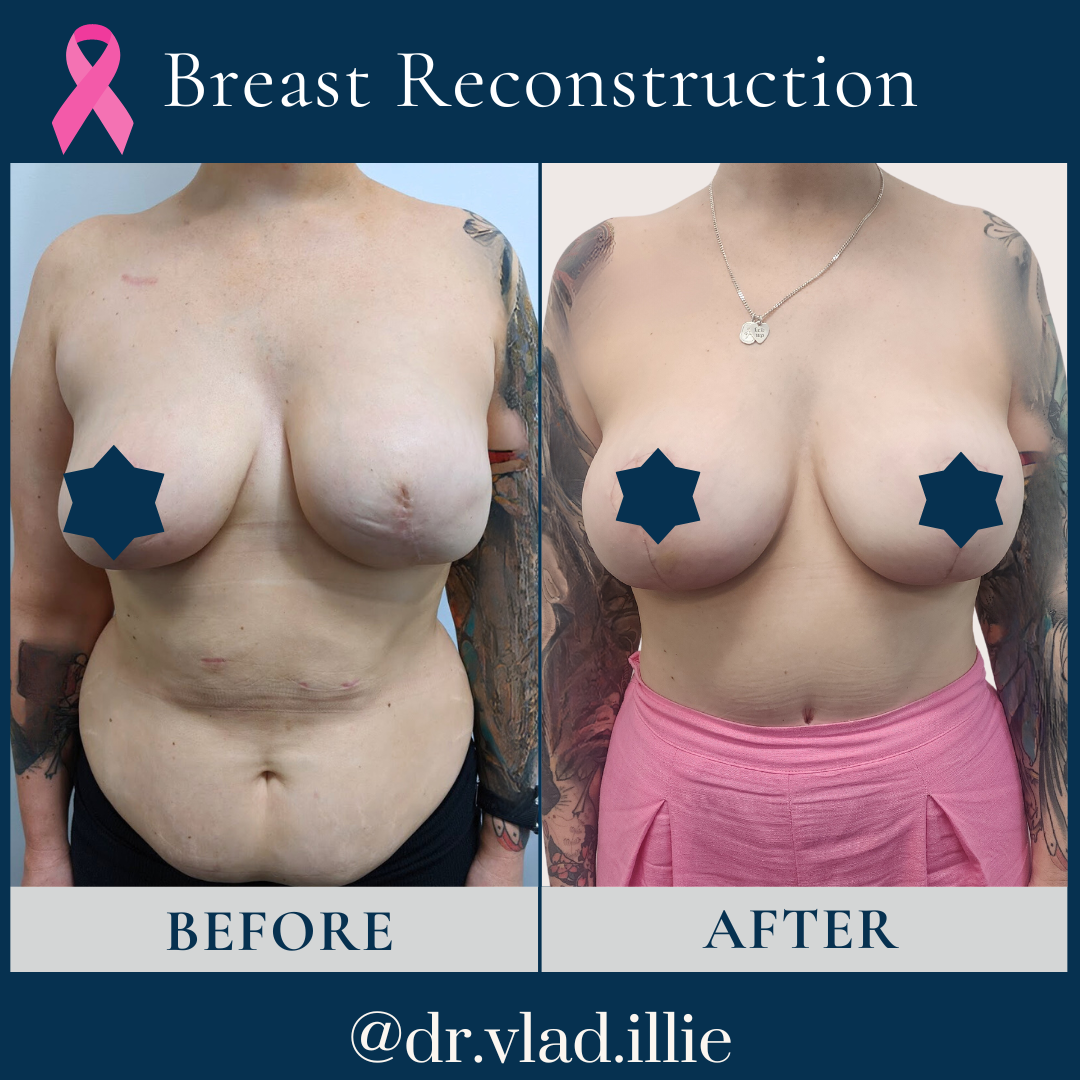
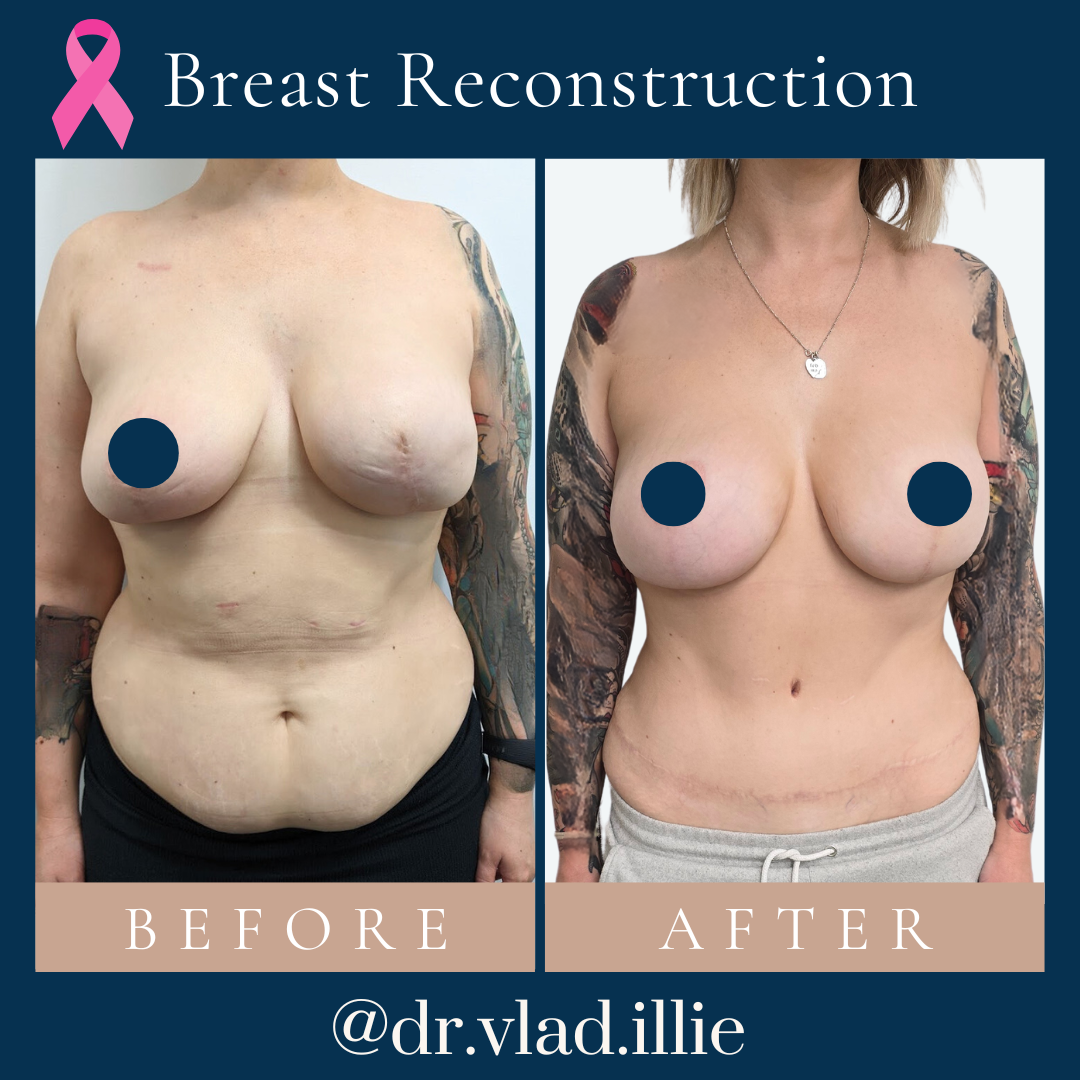
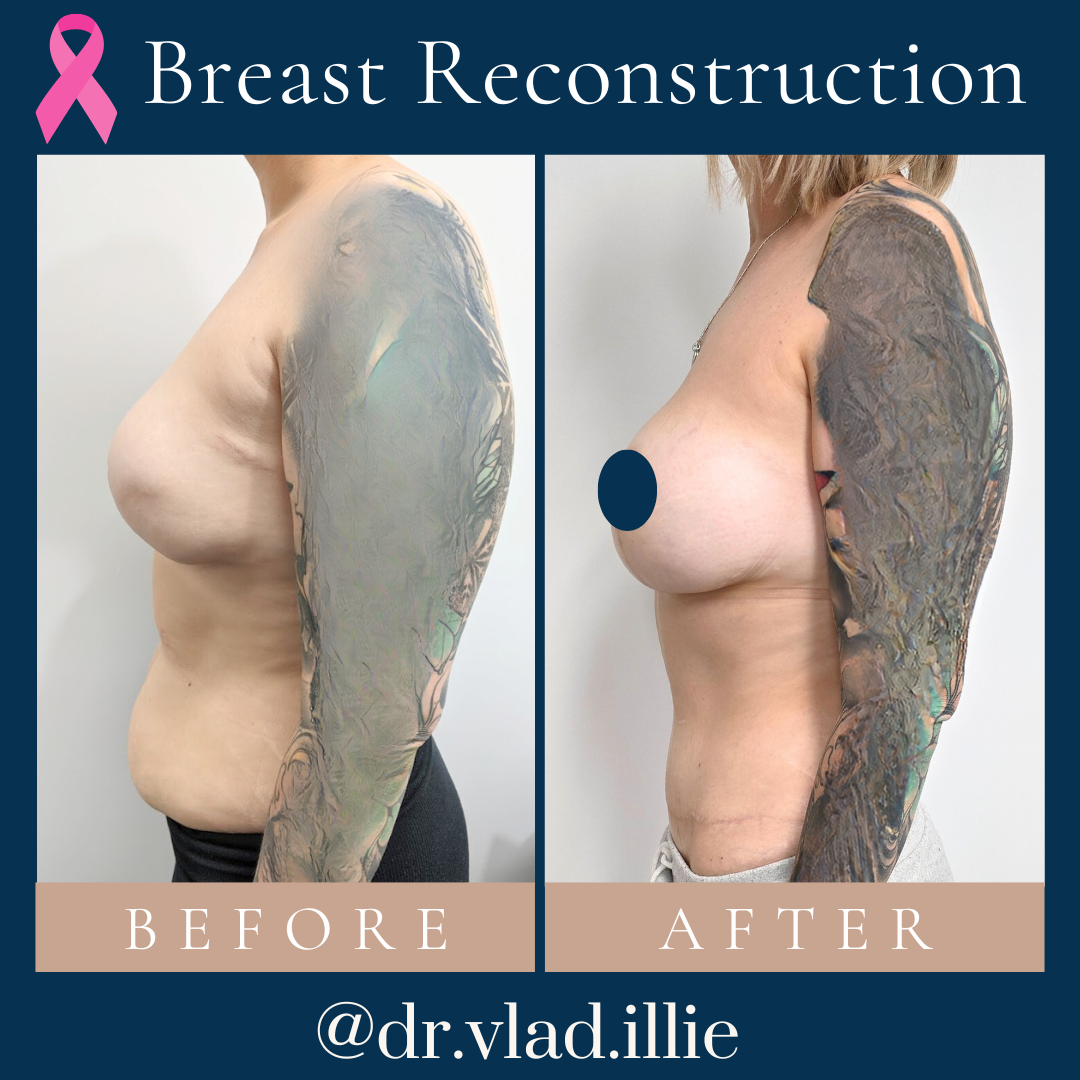
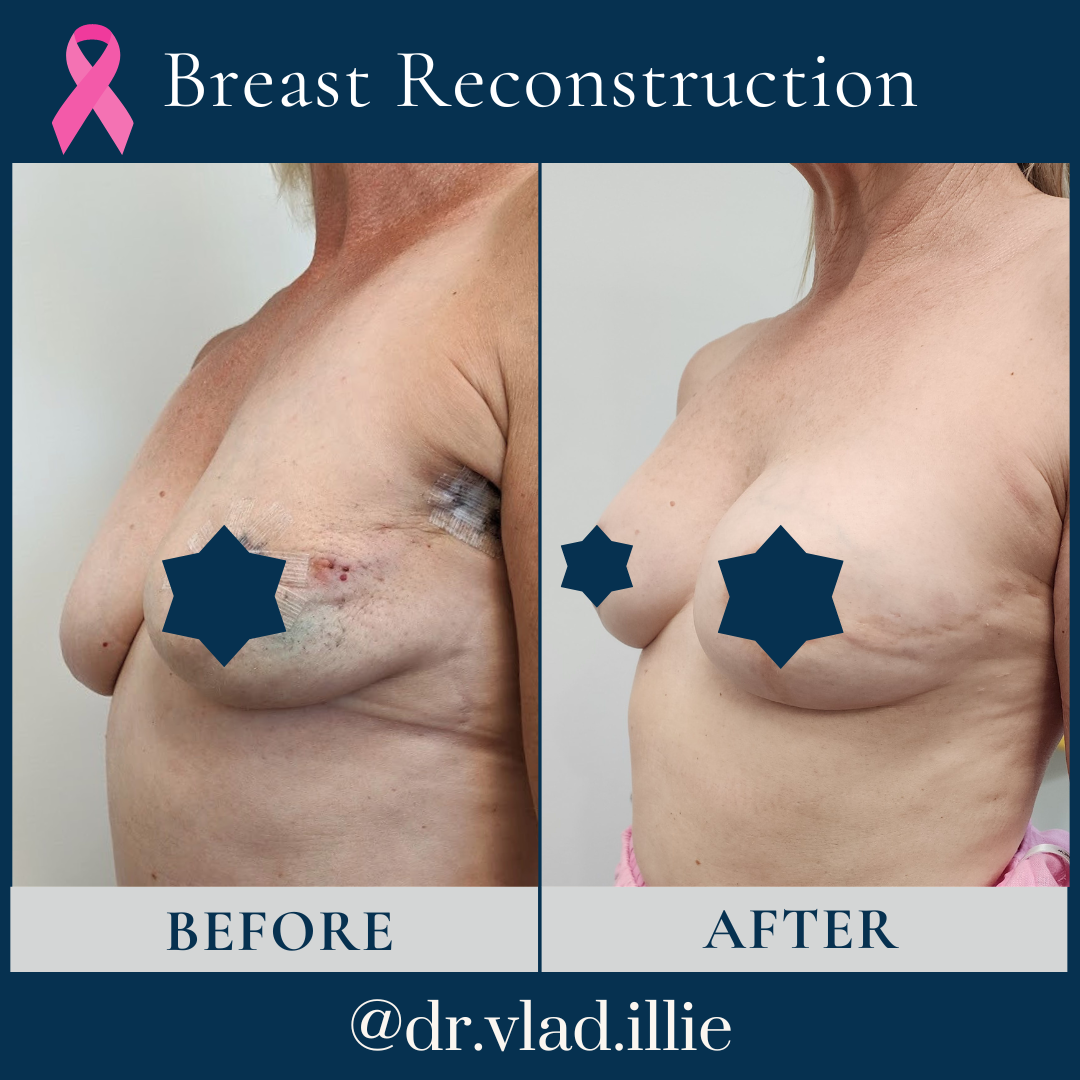
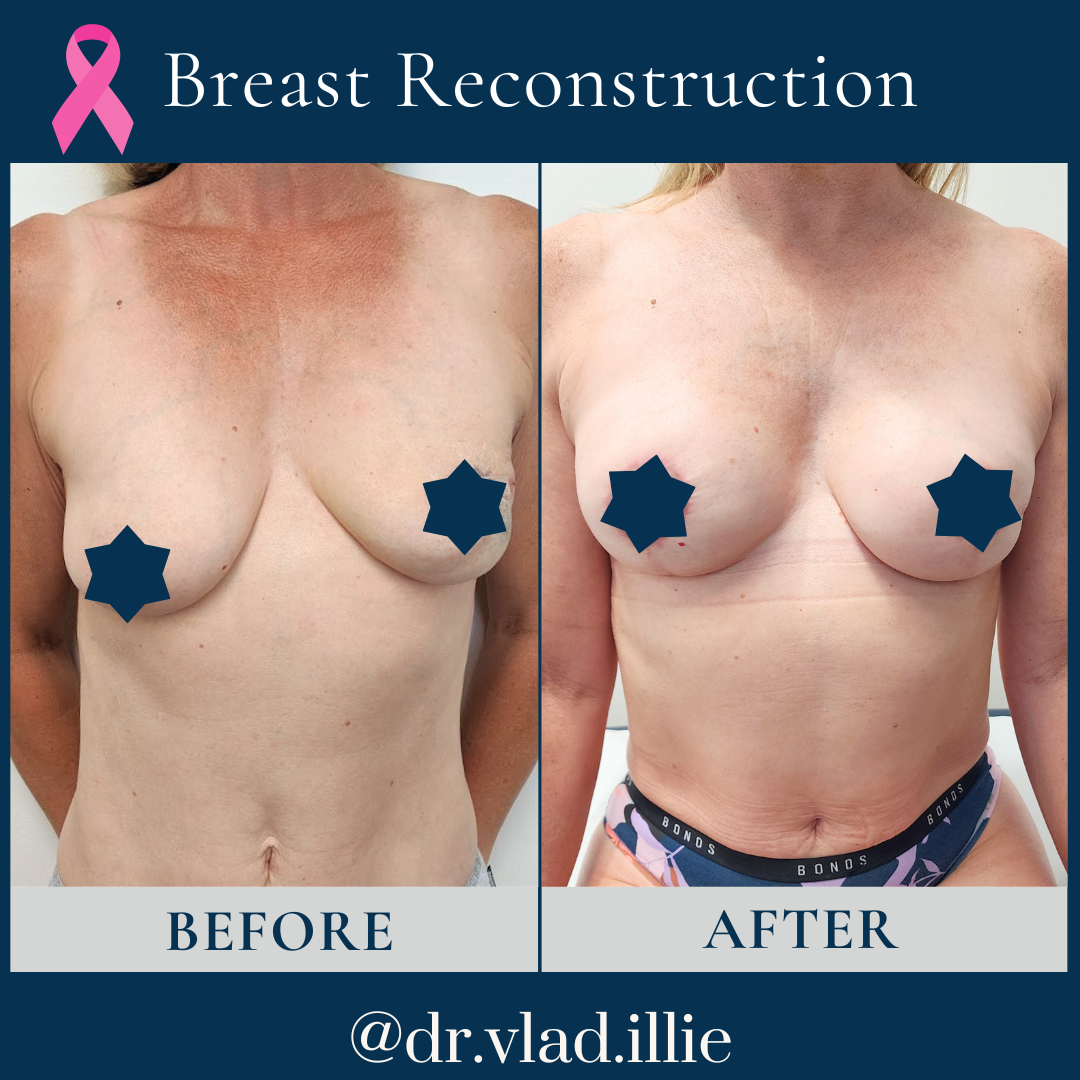
The images below document individual patients who have undergone breast reconstruction following mastectomy or other breast cancer surgery. Reconstructive outcomes are highly individual and depend on oncological history, the type of mastectomy performed, tissue characteristics, treatment history including chemotherapy and radiotherapy, and healing. These images are provided for medical information purposes only and do not represent a guarantee, promise, or prediction of outcome for any other patient.
Breast Reconstruction Gallery
Breast Reconstruction
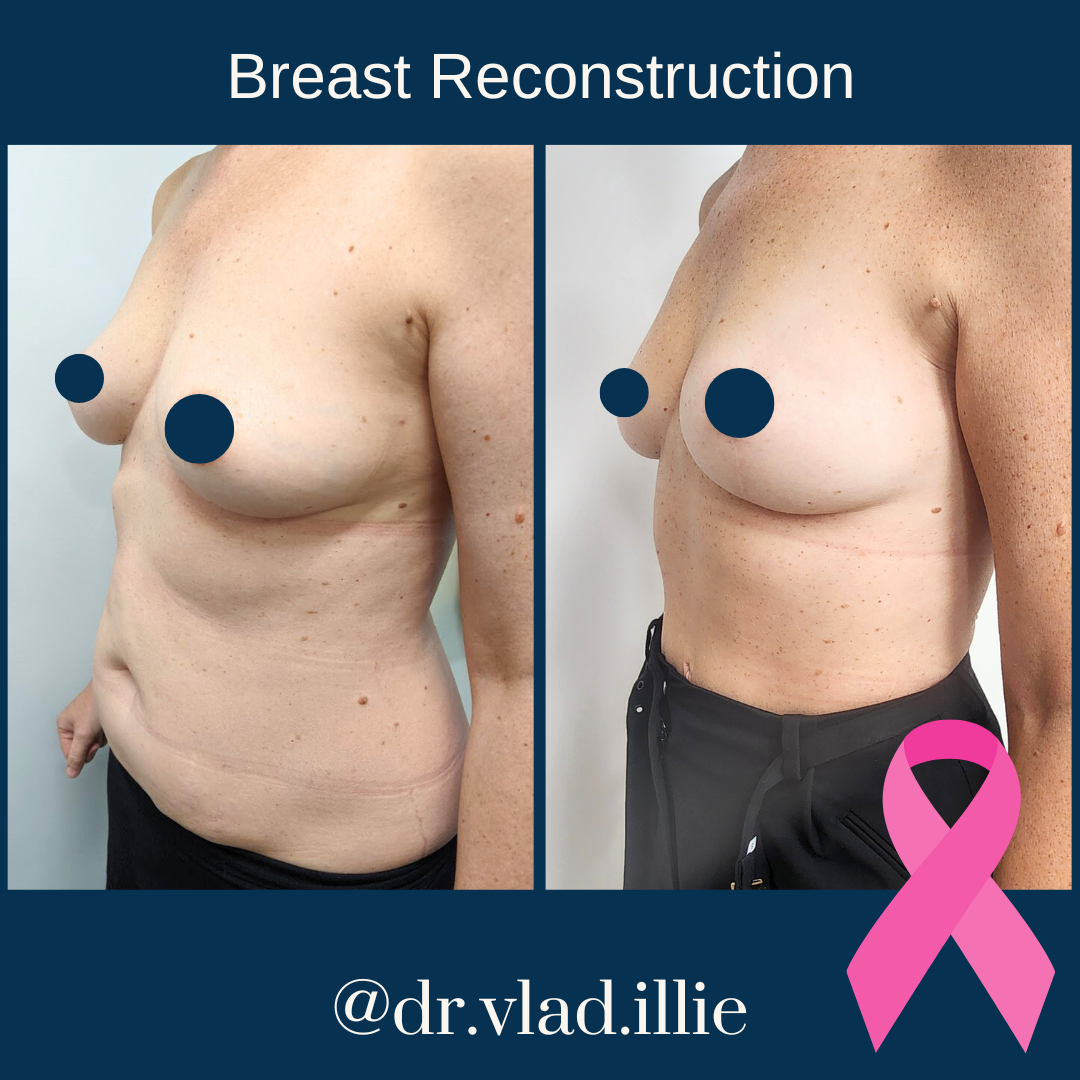
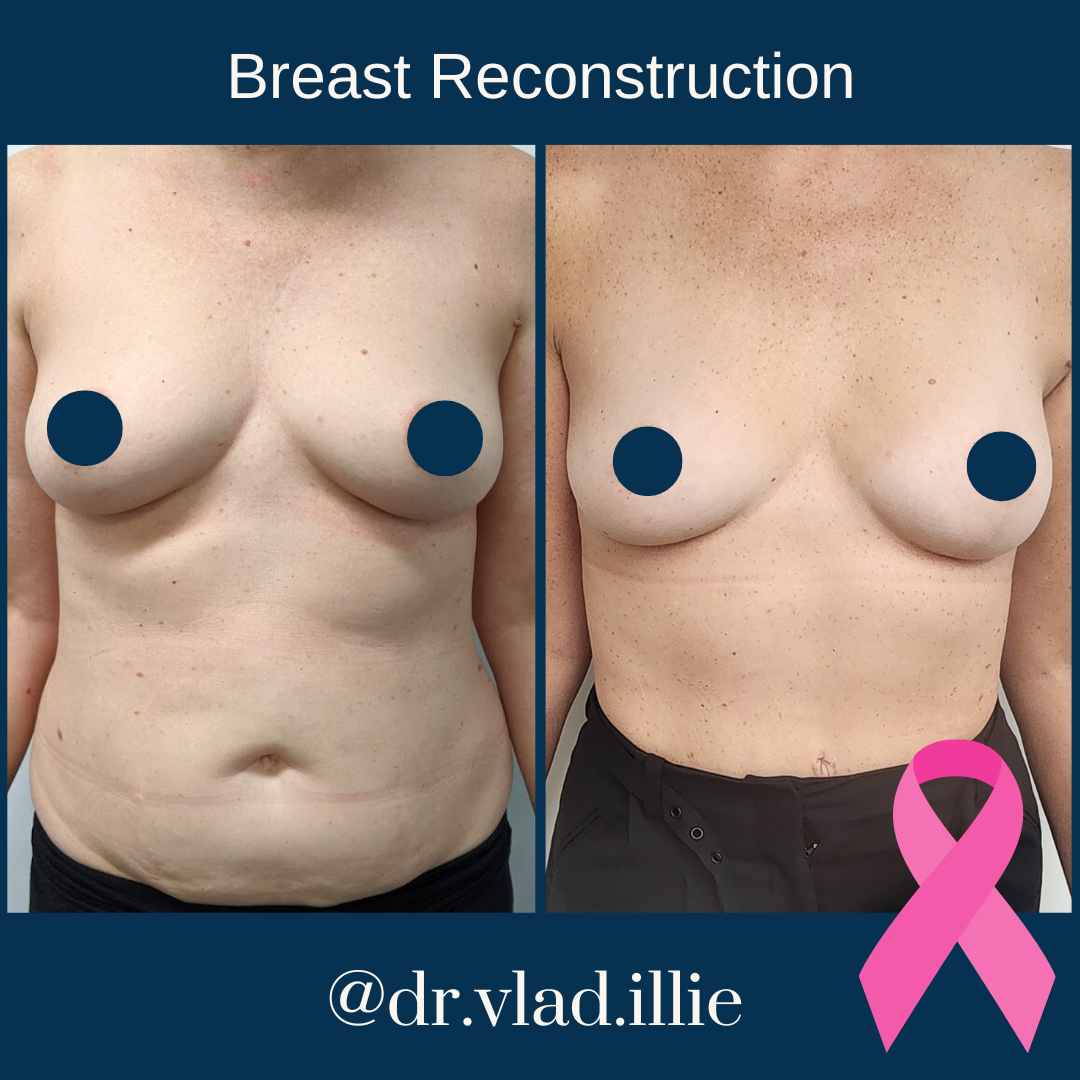
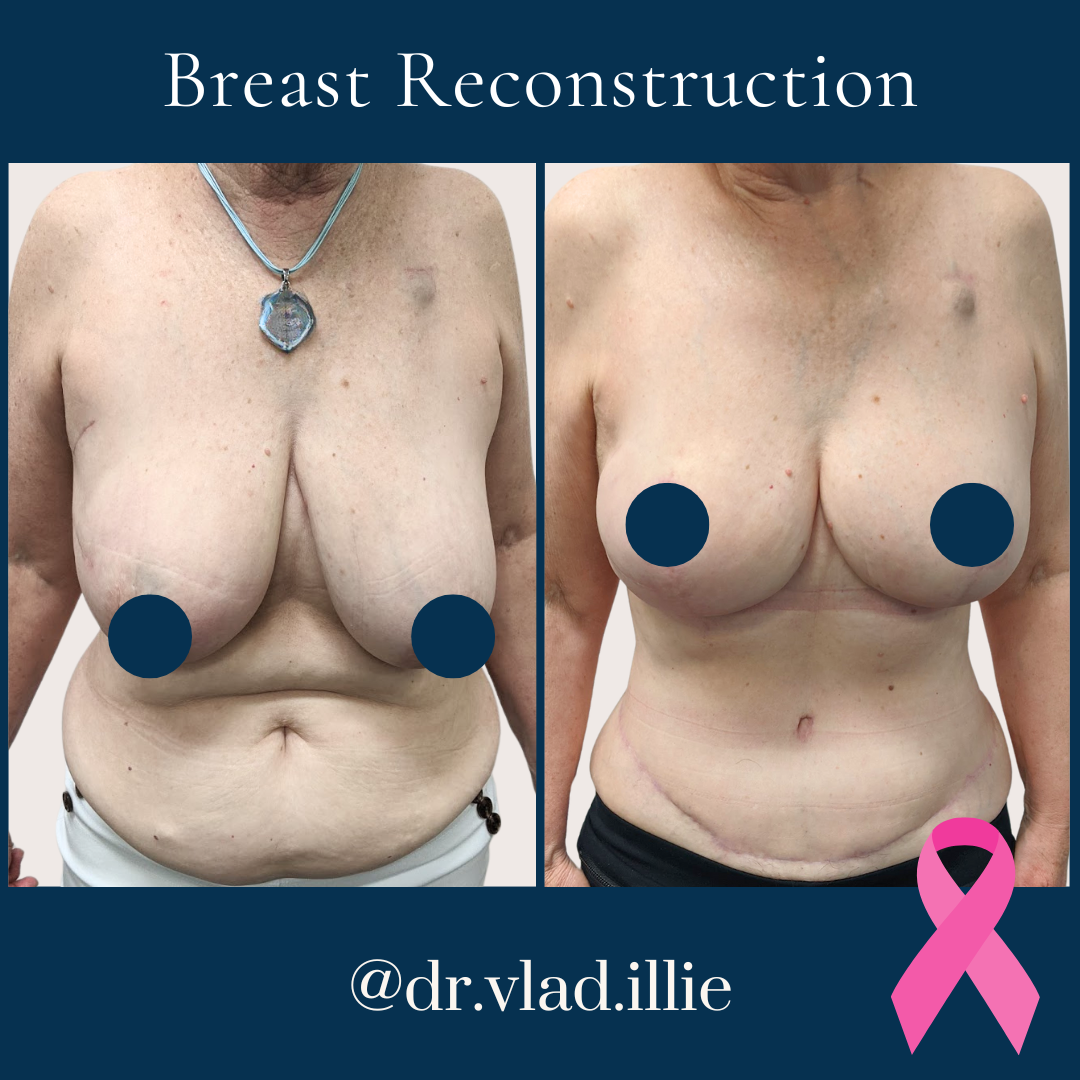
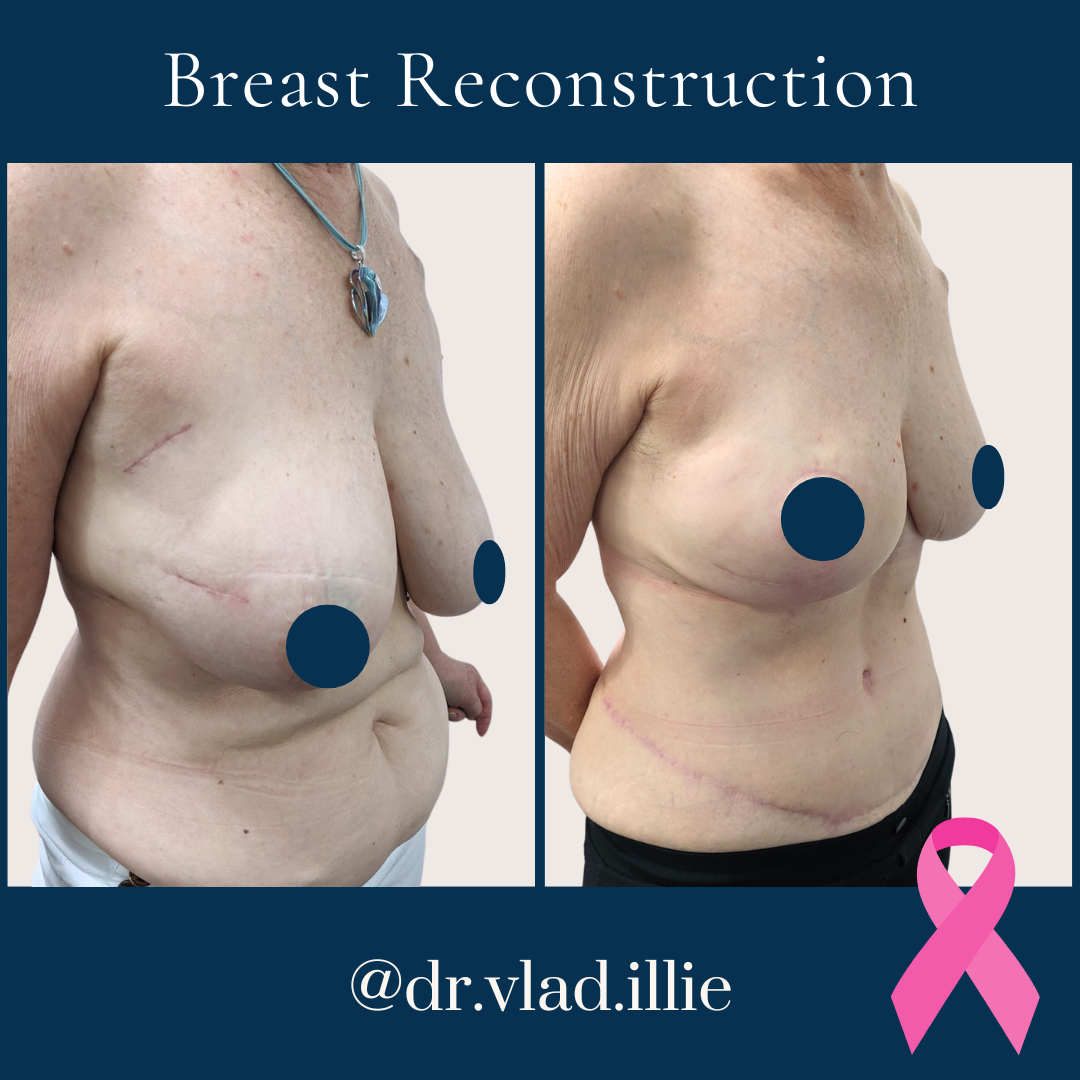
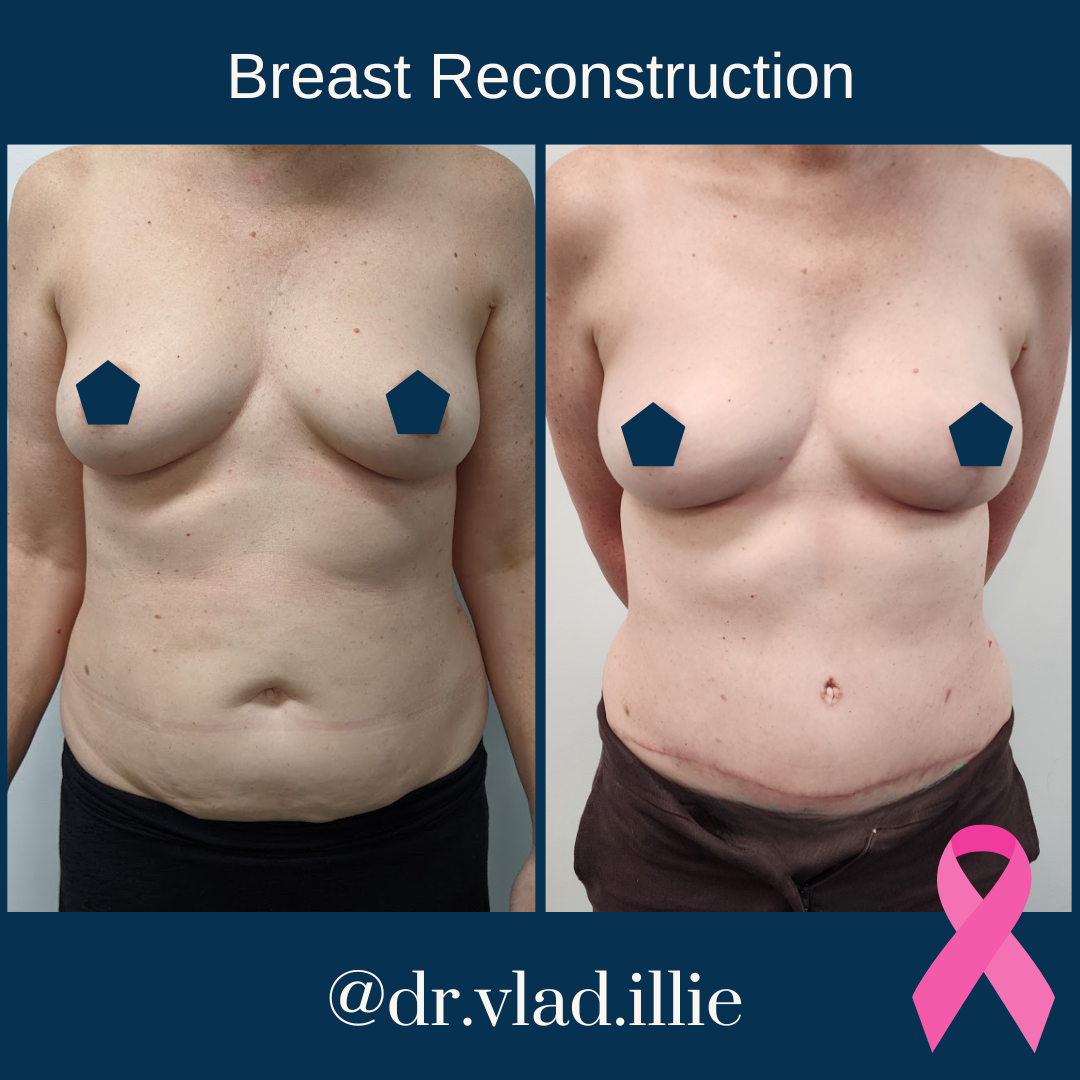
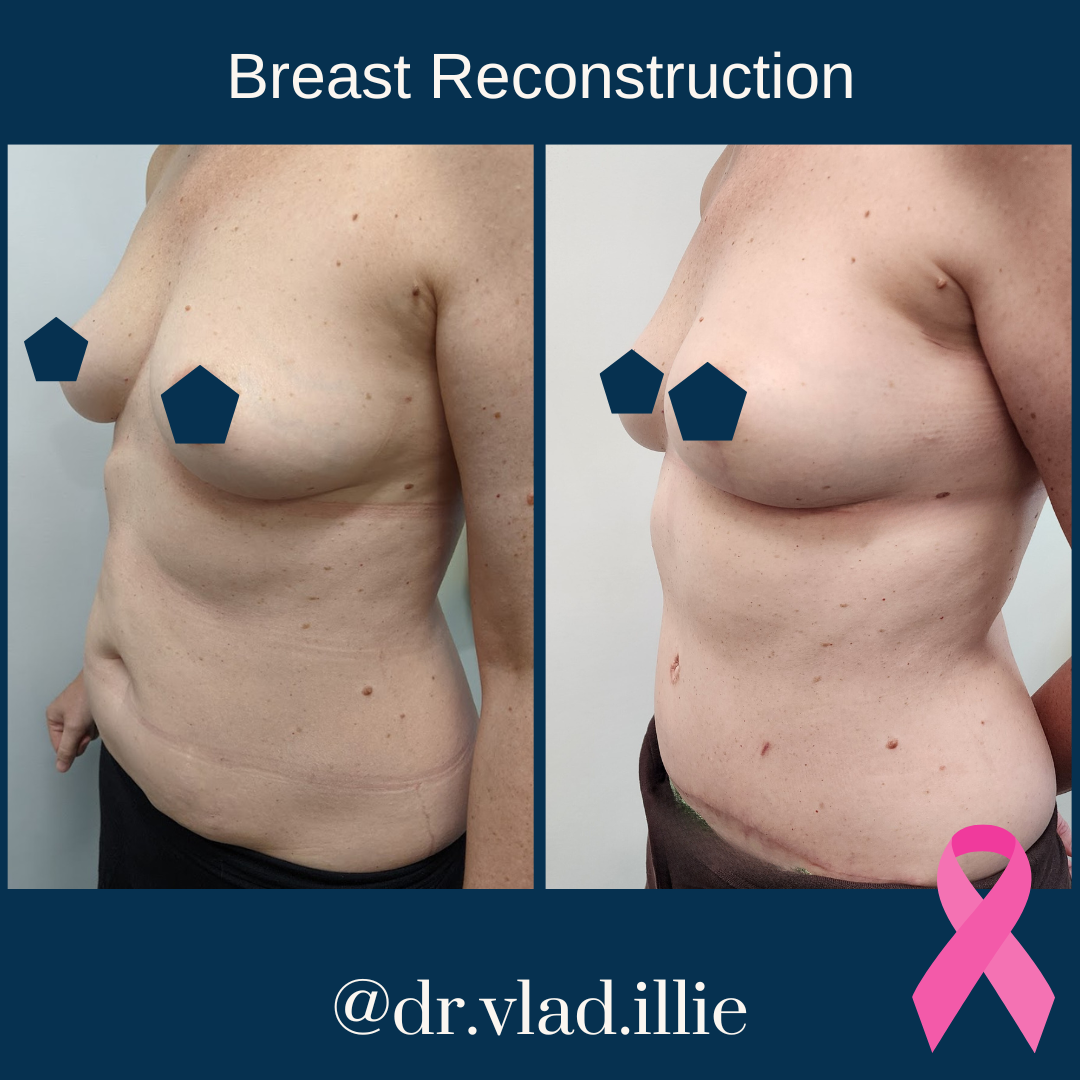
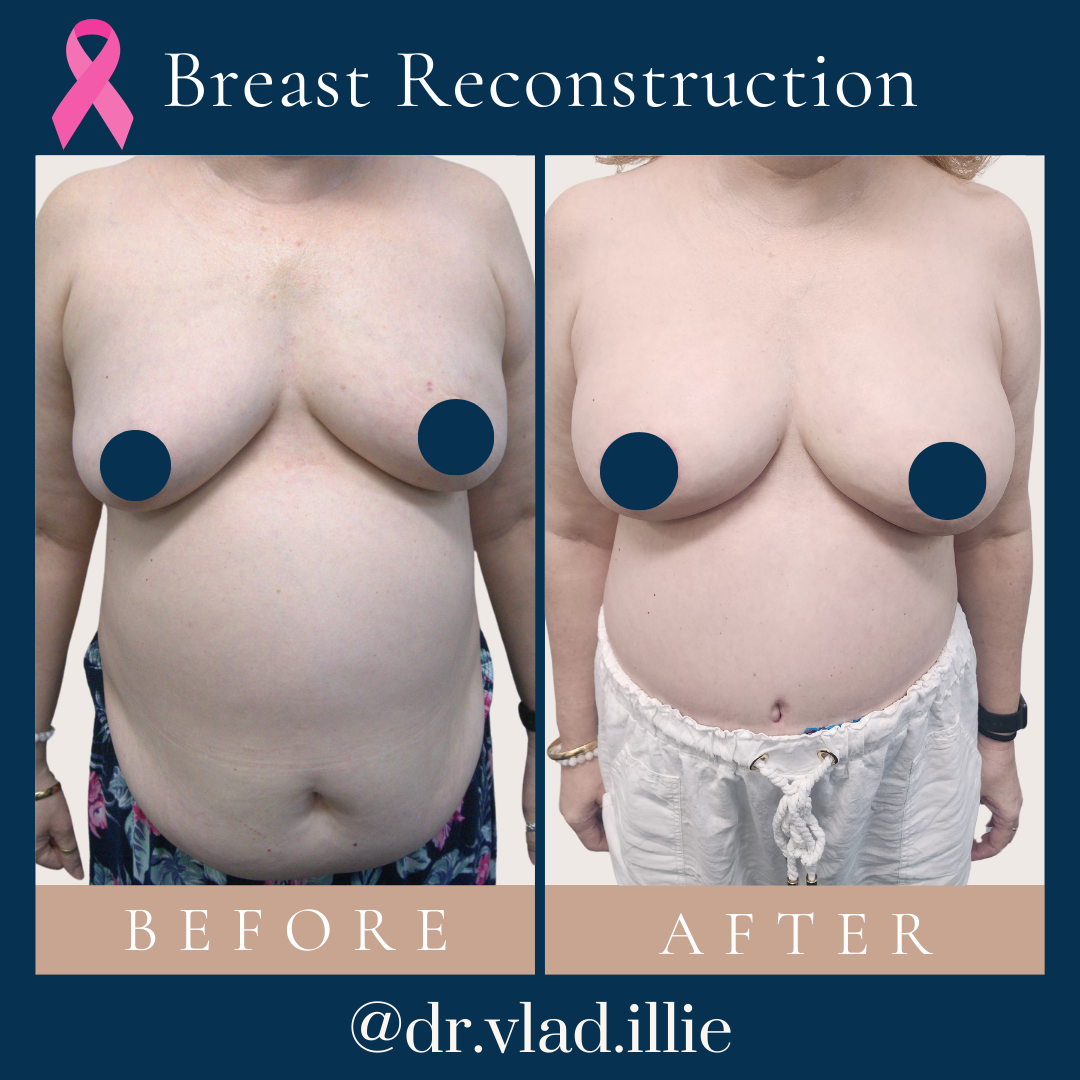
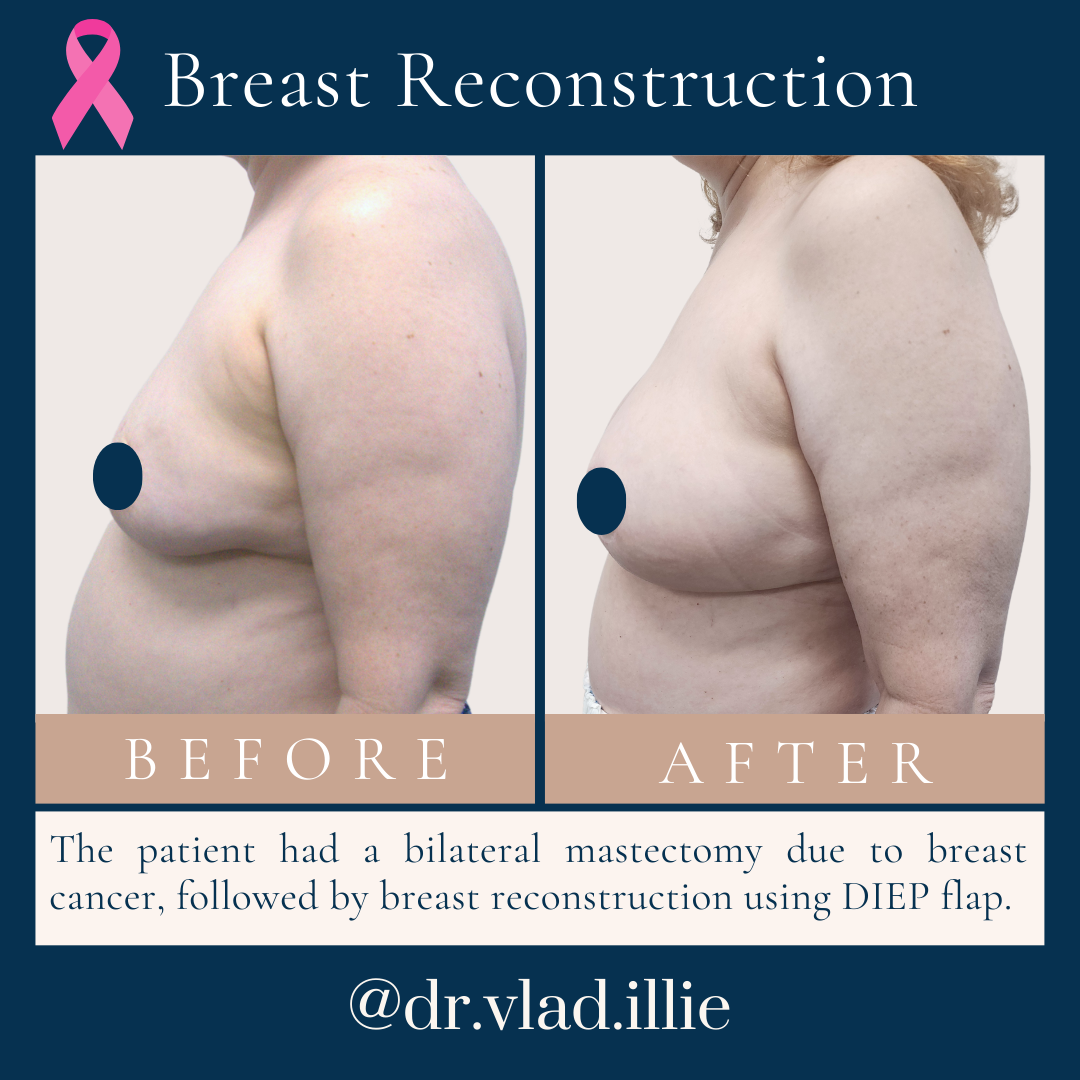
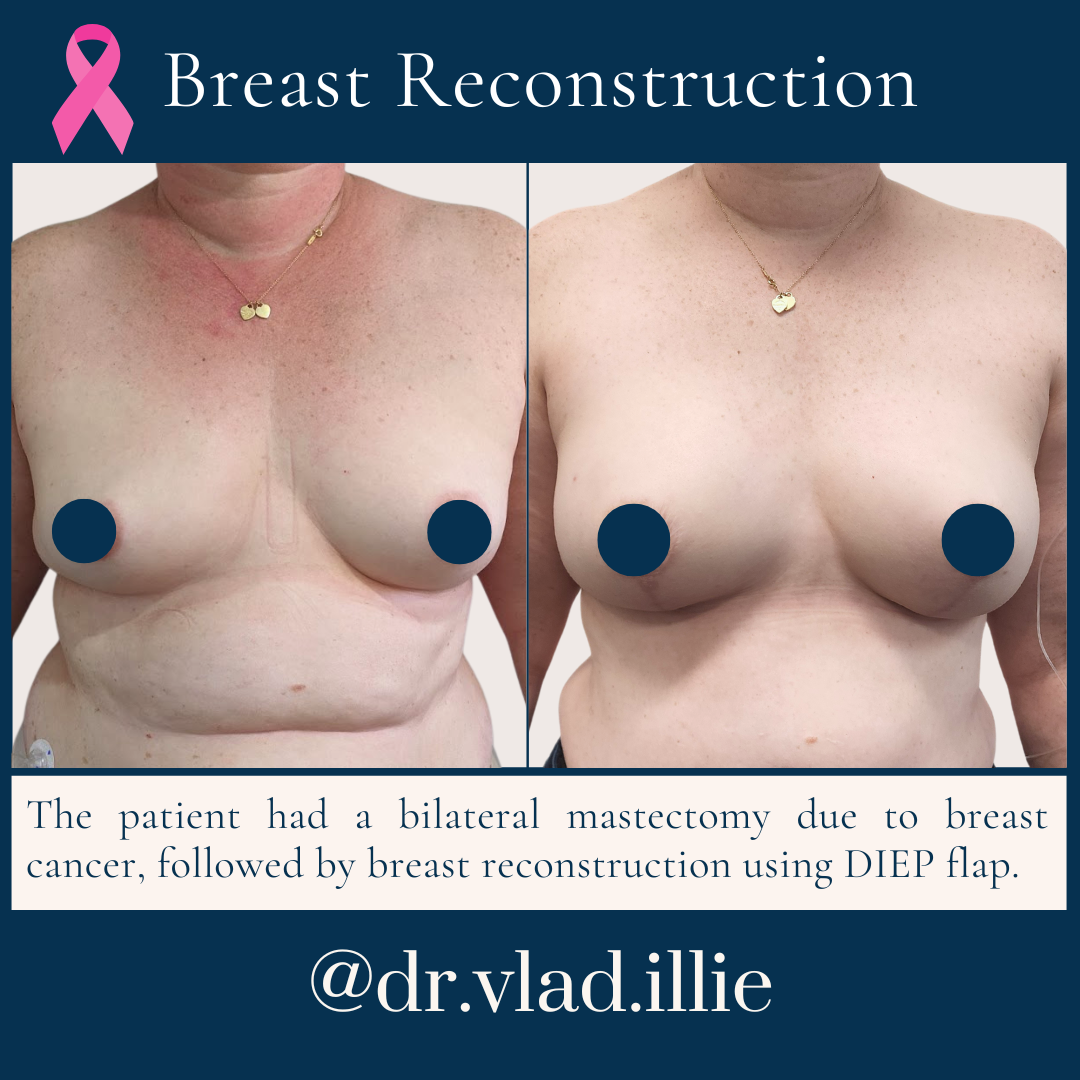
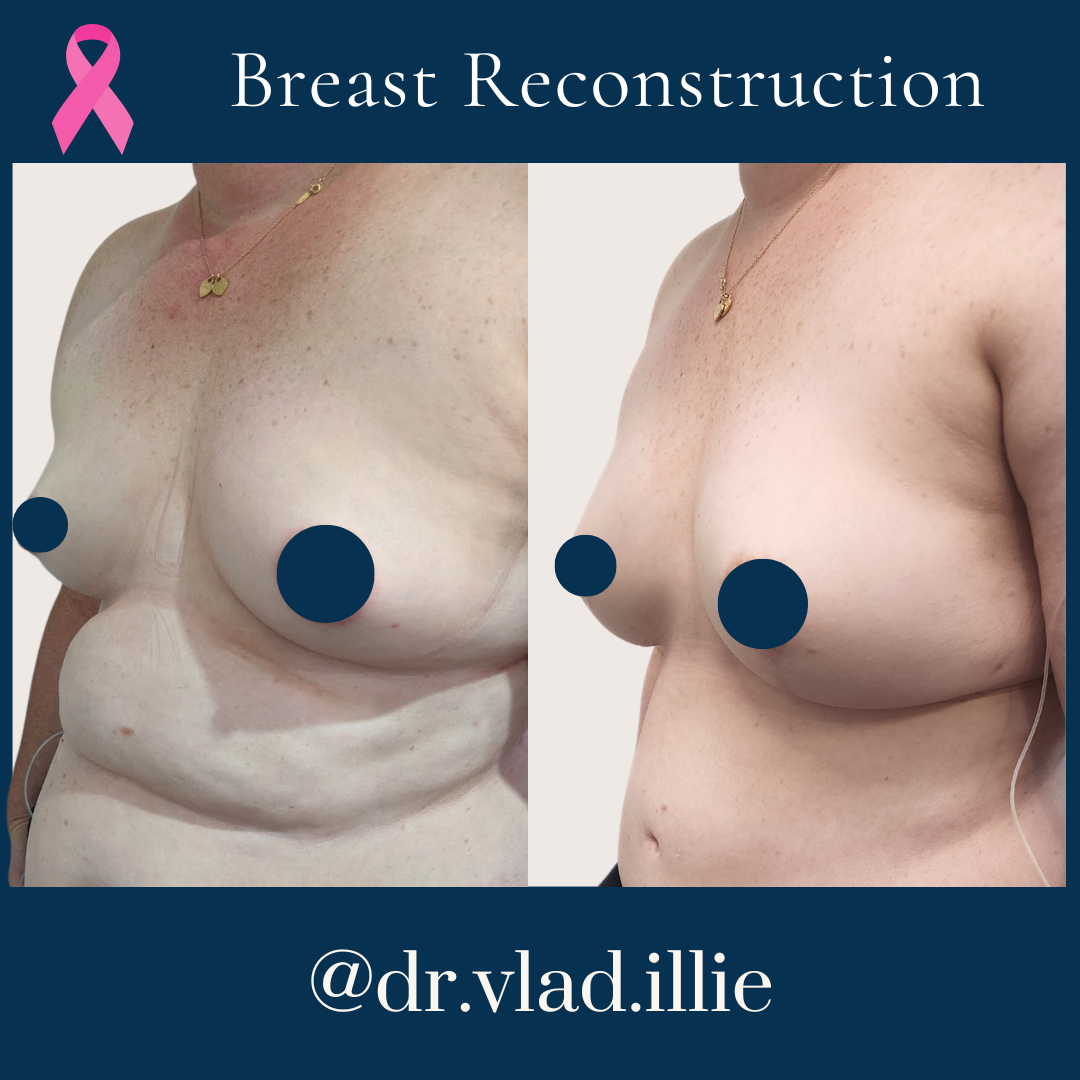
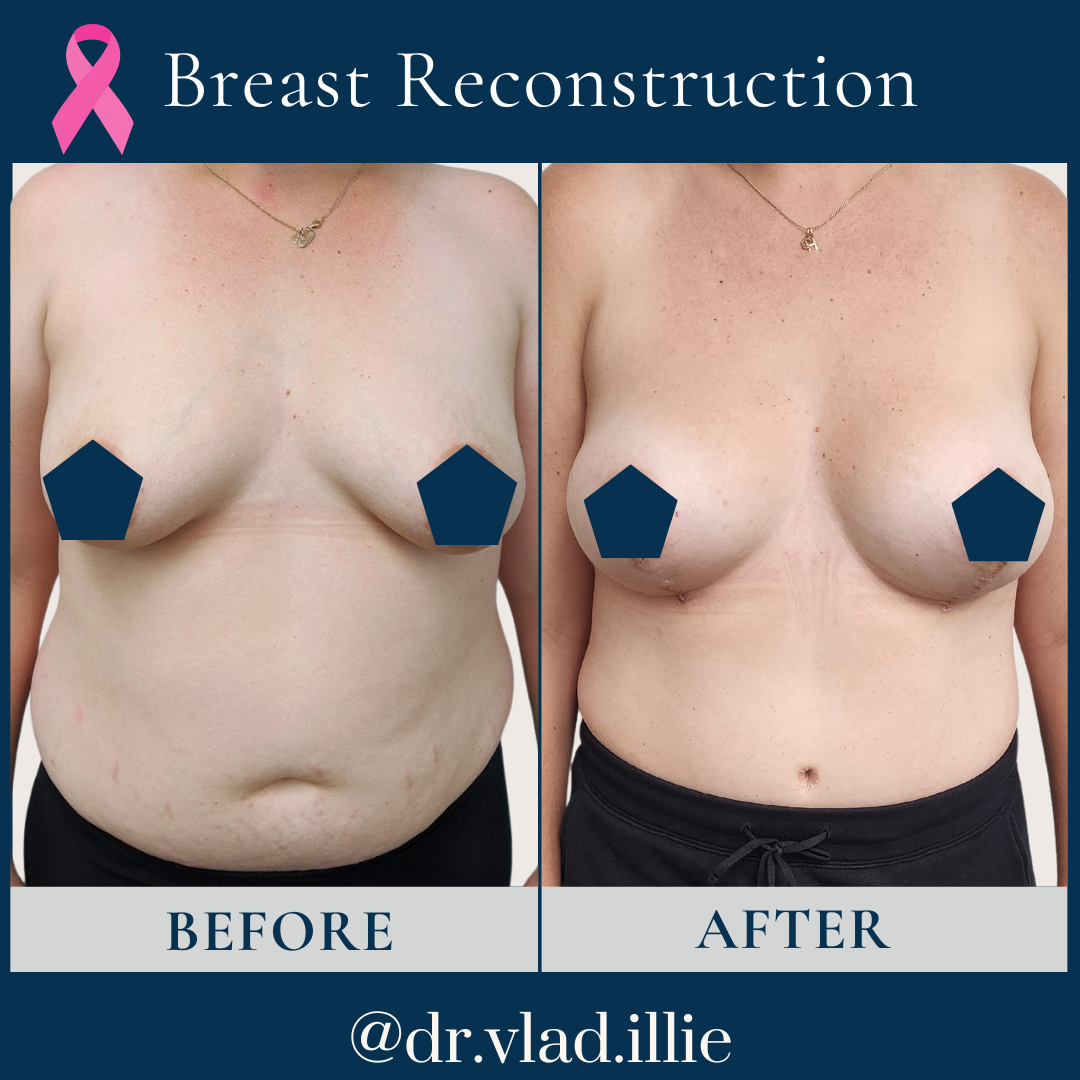
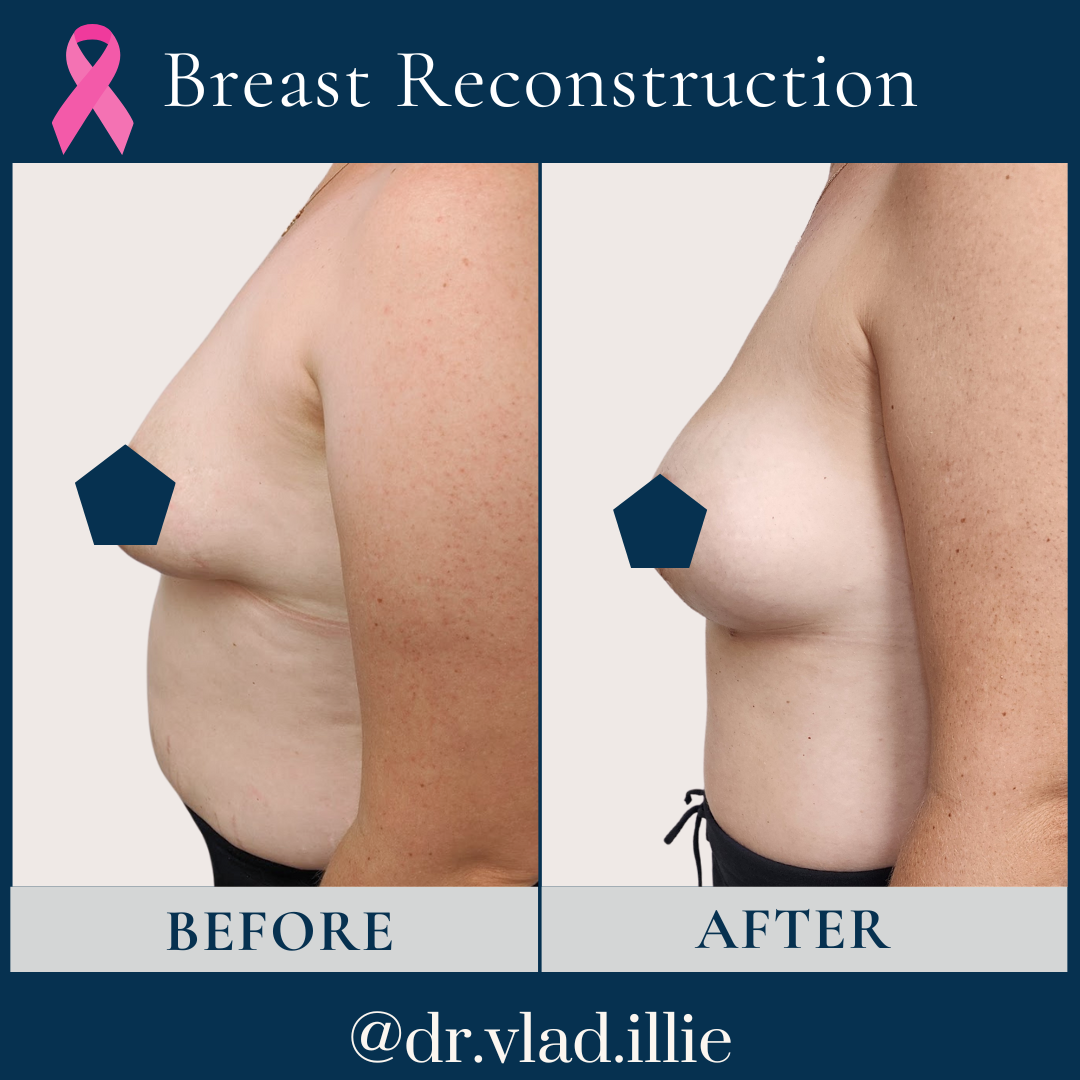
These images show breast reconstruction performed using tissue from the abdomen (for the DIEP flap) or thighs (for TUG flap). As a result, the postoperative abdominal profile can appear flatter or smaller because tissue was transferred to reconstruct the breast. Results vary between patients depending on anatomy and surgical technique.

Specialist Standards and Safety Protocols for Breast Reconstruction
Dr Vlad ILLIE practises in accordance with the professional standards required of a specialist plastic and reconstructive surgeon registered with the Medical Board of Australia. The information below is provided to support informed decision-making.

Qualifications
Dr ILLIE is a specialist plastic and reconstructive surgeon, and he completed the accredited training pathway in Sydney through the Royal Australasian College of Surgeons (RACS). He is a Fellow of:
- FRACS Royal Australasian College of Surgeons
- ASPS Australian Society of Plastic Surgeons
- ASAPS Australian Society of Aesthetic Plastic Surgeons
Dr ILLIE has undertaken post-fellowship training in aesthetic and reconstructive facial and breast surgery, as well as microsurgery in Oxford (UK) and Stuttgart (Germany).
APHRA Registration
Dr ILLIE is registered as a specialist plastic surgeon with the Australian Health Practitioner Regulation Agency (AHPRA), under the Medical Board of Australia.
Registration number:
MED0000966953
Specialist registration with AHPRA means Dr ILLIE has completed an approved specialist training programme and is qualified to hold himself out as a specialist plastic surgeon.
Assessment and Consultation Process
Every patient considering a surgical procedure undergoes two comprehensive clinical consultations with Dr ILLIE prior to any decision being made. This consultation is designed to:
- Review the patient’s medical history, current health status, and medications
- Assess anatomical considerations relevant to the procedure under discussion
- Discuss the patient’s goals and whether they are clinically realistic and appropriate
- Identify any factors that may influence suitability, risk, or likely outcome
- Provide detailed information about the procedure, anaesthesia, recovery, and potential complications
- Allow adequate time for questions from the patient
A wellbeing and psychological assessment is also done before the decision to proceed with surgery.
Mental Health Support
In addition to physical assessment, Dr ILLIE’s consultation process includes consideration of each patient’s psychological readiness for elective surgical intervention. This forms a routine component of the clinical assessment for all aesthetic procedures and also includes the mandatory screening regulated by AHPRA.
Where there are concerns about a patient’s psychological state, motivation, or expectations, Dr Illie may recommend a period of further reflection, provide further support and clarity to the patient, decline to proceed or refer the patient to an appropriate mental health professional before any surgical decision is made. This process is undertaken in the patient’s best interests and does not reflect the patient’s suitability as a person.
Informed Consent
Informed consent is a legal and ethical requirement for all surgical procedures. Dr ILLIE’S consent process involves providing each patient with:
- A clear explanation of what the procedure involves
- The known risks, potential complications, and likelihood of each
- Realistic information about expected recovery and healing timelines
- A discussion of alternative options, including non-surgical approaches where relevant
- Time to review written material before signing any consent documentation
Consent is obtained during consultation, prior to surgery — not on the day of the procedure. Patients are encouraged to bring a support person and to raise any questions that arise after the initial consultation.
Individualised Medical Advice
No information on this website — including before-and-after photographs — constitutes medical advice. The images in this gallery document individual cases and are provided as a general reference only. They do not represent typical, average, or expected outcomes for any prospective patient.
Decisions regarding surgical intervention should only be made following a face-to-face clinical consultation in which Dr ILLIE can review your specific circumstances. The advice provided in your consultation is personal to you and cannot be inferred from information published online or from other patients’ experiences.
All surgical procedures carry inherent risks. A full discussion of risks and complications is available at Risks & Complications.
Frequently Asked Questions
What is Dr ILLIE'S role in breast reconstruction, and where does he perform this surgery?
Dr Vlad ILLIE is a specialist plastic and reconstructive surgeon with specific training and hospital appointments relevant to breast reconstruction surgery. He performs breast reconstruction at St Vincent’s Private Hospital, Gosford Private Hospital and St Vincent’s Public Hospital in Sydney — facilities that have the microsurgical infrastructure, anaesthetic expertise, and intensive care support required for complex reconstructive procedures such as DIEP or TUG flap reconstruction.
Dr ILLIE is a member of the breast multidisciplinary team at the Kinghorn Cancer Centre, which means his reconstructive planning occurs within the broader context of each patient’s oncological management. He works alongside breast surgeons, medical oncologists, and radiation oncologists to ensure that the type and timing of reconstruction is coordinated with the patient’s overall treatment plan. This collaboration is central to how Dr ILLIE practises reconstructive surgery — the reconstructive plan serves the patient’s long-term wellbeing, and that wellbeing is understood in both oncological and personal terms.
Dr ILLIE’S post-fellowship training in microsurgery and breast reconstruction was undertaken at the Marienhospital in Stuttgart, Germany — a leading European centre in microsurgical breast reconstruction and specifically in the use of non-abdominal free flaps (including the TUG flap) for patients where abdominal tissue is not available or appropriate. Additional microsurgical fellowship training was completed at Oxford University Hospitals in the United Kingdom. This international training background informs the technical depth he brings to complex reconstructive cases.
What is DIEP flap breast reconstruction, and why does Dr ILLIE use this technique?
The DIEP (Deep Inferior Epigastric Perforator) flap is a microsurgical technique that uses the patient’s own abdominal skin and fat — supplied by perforating blood vessels from the deep inferior epigastric artery — to reconstruct one or both breasts. The flap is harvested from the lower abdomen, the perforator vessels are carefully identified and preserved, and the flap is transferred to the chest where the vessels are reconnected to recipient blood vessels using microsurgical techniques under a surgical microscope.
A key advantage of the DIEP flap over older abdominal flap techniques (such as the TRAM flap) is that the abdominal muscles are not taken — only the skin, fat, and the perforating vessels that supply them are harvested. This significantly reduces the impact on the abdominal wall, meaning recovery from the donor site is less burdensome and the risk of abdominal wall weakness or hernia is substantially reduced compared with muscle-containing flap techniques.
Dr ILLIE uses autologous (the patient’s own tissue) reconstruction with DIEP flaps because it offers a permanent, natural reconstruction using living tissue that ages with the patient, does not carry the long-term concerns associated with implant-based reconstruction (such as implant rupture, capsular contracture, or the need for implant replacement), and produces a breast that feels and moves more like natural breast tissue. For patients who have undergone or are planned to undergo radiotherapy — which significantly increases the complication rate of implant-based reconstruction — autologous reconstruction with a DIEP flap is often the preferred approach from a reconstructive standpoint.
Dr ILLIE is transparent that DIEP flap reconstruction is a major operation with a longer operative time, a more demanding recovery, and a donor site scar on the abdomen that is permanent. These are factors discussed in detail during the consultation, so that patients can make an informed choice between reconstructive options.
What other breast reconstruction options does Dr ILLIE offer, and how does he choose between them?
Breast reconstruction options broadly fall into two categories: implant-based reconstruction and autologous (the patient’s own tissue) reconstruction. Dr ILLIE offers both and selects the approach best suited to each patient’s oncological history, anatomy, health, and personal preferences — there is no single technique that is superior in all situations, and the right choice depends on the individual patient’s circumstances.
Implant-based reconstruction — using tissue expanders initially, followed by definitive implants at a second stage — is a less operatively demanding approach that avoids a donor site. It is often appropriate for patients who are not candidates for or do not want autologous reconstruction, who have adequate skin following skin-sparing mastectomy, and for whom radiotherapy is not planned. However, implant-based reconstruction in patients who receive post-mastectomy radiotherapy has significantly higher complication rates, and in these patients autologous reconstruction is generally preferred. The results are also generally safer and aesthetically better with autologous reconstruction.
For autologous reconstruction, the DIEP flap uses abdominal tissue and is Dr ILLIE’s technique of choice for long-term patient safety and aesthetic results (compared to implant-based reconstruction). His fellowship training at the Marienhospital in Stuttgart also included training in the TUG (Transverse Upper Gracilis) flap — a non-abdominal free flap using inner-thigh tissue, which is useful for patients in whom abdominal tissue is insufficient or unavailable. The choice between these approaches depends on the assessment of available donor tissue, the volume of reconstruction required, and the patient’s overall anatomy and health.
Reconstruction timing — whether performed immediately at the time of mastectomy, or delayed until after oncological treatment is complete — is also discussed. Dr ILLIE’s recommendation on timing is made in consultation with the breast surgeon and the oncological team, taking into account the implications of each timing option for the patient’s specific treatment pathway.
How does Dr ILLIE plan breast reconstruction, and what does the assessment involve?
The planning of breast reconstruction with Dr ILLIE involves a detailed clinical assessment that encompasses the patient’s oncological circumstances, their overall health, and their anatomy. He reviews the patient’s treatment history — including the type of mastectomy performed or planned, whether radiotherapy has been delivered or is anticipated, whether chemotherapy has been given, and the overall stage and management plan for the cancer.
The anatomical assessment for DIEP flap reconstruction involves evaluating the quantity and quality of abdominal tissue available as a donor source, the patient’s abdominal scars from prior surgery (which can affect blood vessel anatomy and may influence the reconstructive plan), and the recipient vessels on the chest wall that will be used for microsurgical anastomosis. For larger or more complex cases, pre-operative CT angiography of the abdominal wall vessels may be used to map the perforator anatomy before surgery — a tool that assists in surgical planning and reduces operative time.
The consultation is also an opportunity for Dr ILLIE to explain the reconstruction in practical terms: what the operation involves, how long it takes, what the post-operative period looks like, what the donor site scar will be, and what the reconstructed breast will look and feel like over time. He discusses both the possibilities and the limitations of reconstruction honestly, so that patients approach surgery with accurate expectations. For patients who are recently diagnosed or in the middle of cancer treatment, Dr ILLIE approaches the conversation with care and sensitivity to the emotional context in which reconstruction planning is occurring.
Why do reconstruction results vary so much between patients?
Breast reconstruction outcomes are among the most variable of any surgical procedure in plastic surgery, because they are influenced not only by the reconstructive surgical technique but by a complex set of oncological and treatment-related factors that are not within the reconstructive surgeon’s control. The type and extent of the mastectomy — whether skin-sparing, nipple-sparing, or more radical — determines how much skin and soft tissue remains on the chest wall and therefore what the reconstructive starting point is. The quality of the remaining skin and chest wall tissues, which may have been altered by prior radiotherapy, is another critical variable.
Radiotherapy, in particular, significantly affects the behaviour of chest wall tissue and the healing of reconstructed breasts. Irradiated tissue has reduced vascularity and elasticity, heals less predictably, and is more susceptible to complications including wound breakdown, fat necrosis, capsular contracture (in implant-based reconstruction), and partial flap loss. The timing and dose of radiotherapy, whether delivered before or after reconstruction, shapes the reconstructive challenge and the range of possible outcomes.
The quality and volume of available donor tissue — in DIEP flap reconstruction, the amount of abdominal skin and fat — varies between patients and determines what volume of reconstruction is achievable. Patients with more donor tissue available have more flexibility in reconstruction volume; those with limited abdominal tissue may require a different flap approach or accept a smaller reconstruction. Healing biology, smoking history, nutritional status, and comorbid medical conditions all add further variability to how reconstruction proceeds and what the final result looks like.
Dr ILLIE discusses all of these factors during the consultation and is direct about what, given each patient’s specific circumstances, can be realistically expected from reconstruction. The photographs in this gallery reflect outcomes in individual patients under their specific conditions — they do not represent a typical or guaranteed outcome for any other patient.
What is the difference between immediate and delayed breast reconstruction, and how does Dr ILLIE advise on timing?
Immediate breast reconstruction is performed at the same operative setting as the mastectomy — the breast is removed by the breast surgeon and the reconstruction is begun (or in some cases completed) by Dr ILLIE in the same anaesthetic. Delayed reconstruction is performed as a separate operation, after the completion of oncological treatment including chemotherapy and radiotherapy where applicable, typically several months to over a year after the mastectomy.
The timing decision is not solely a surgical one — it involves the breast surgeon, the oncological team, and the patient’s personal preferences and life circumstances. Dr ILLIE advises on timing based on the oncological management plan: for patients who require post-mastectomy radiotherapy, immediate autologous reconstruction may be complicated by the fact that the reconstructed breast will subsequently be irradiated, which can affect the reconstruction. In these patients, a staged approach — with a tissue expander placed at the time of mastectomy to preserve the skin envelope, and definitive autologous reconstruction planned after radiotherapy is complete — may be a more appropriate plan.
For patients who do not require radiotherapy and are medically appropriate for combined mastectomy and reconstruction, immediate reconstruction offers the advantage of avoiding an additional operation and recovery period, and — in skin-sparing and nipple-sparing mastectomy — allows the natural skin envelope and nipple-areola complex to be preserved. This can contribute significantly to the aesthetic quality of the reconstruction. Dr ILLIE discusses the timing options in the context of each patient’s specific oncological treatment plan and recommends the approach he considers most appropriate following discussion with the treating team.
Can I tell from the photos what my own reconstruction would look like?
No. The photographs in this gallery document individual patients and their specific reconstructive outcomes under their specific circumstances. Reconstructive results are shaped by oncological history, mastectomy type, treatment history including radiotherapy and chemotherapy, donor tissue quantity and quality, and healing biology — all of which differ substantially between patients. The photographs cannot be used to predict what another patient’s reconstruction will look like.
Breast reconstruction is also an evolving process. The appearance of the reconstructed breast at three months is different from its appearance at one year; the maturation of donor site scars takes 12 to 18 months; and additional procedures — such as nipple reconstruction, fat grafting to refine contour, or symmetrisation of the opposite breast — may be performed after the primary reconstruction and contribute to the final overall appearance. A single photograph captures a moment in this process and cannot convey the full trajectory.
Dr ILLIE is direct with patients about this when they ask to see photographs as a guide to their own possible outcome. He uses the consultation to explain what he observes in the patient’s own anatomy, what the proposed reconstruction involves, and what is realistic to anticipate given the patient’s individual circumstances. This patient-specific conversation is more useful than any photograph gallery in forming accurate expectations.
What additional procedures might be part of the reconstruction journey?
Breast reconstruction is frequently a multi-stage process. The primary reconstruction — whether with a DIEP flap or implant-based approach — addresses the main volume and shape of the breast. Subsequent procedures that may be appropriate as part of the overall reconstructive journey include nipple reconstruction (where the nipple-areola complex was removed at mastectomy), which can be performed as a minor day procedure once the primary reconstruction has settled; areola tattooing for colouration; fat grafting to refine contour irregularities or areas of depression in the reconstructed breast; and symmetrisation procedures on the opposite breast to improve the match between the two sides.
For patients undergoing unilateral reconstruction, the natural opposite breast continues to age while the reconstructed side does not change in the same way — this can lead to progressive asymmetry over time, and some patients choose symmetrisation procedures at the time of primary reconstruction or subsequently. Dr ILLIE discusses the reconstructive journey as a whole during the consultation, so that patients understand not just the primary procedure but the full trajectory of their care, including what additional stages may be involved and when these are typically appropriate to consider.
Are the photos edited or filtered?
No. The photographs in this gallery are unretouched medical photographs. They have not been digitally altered, filtered, or enhanced. Medical photography used in a specialist reconstructive surgical practice must accurately represent the patient’s appearance — altering or filtering these images would be inconsistent with the ethical obligations of a registered specialist medical practitioner. Dr ILLIE’s practice does not alter the photographs used in this gallery.
Minor differences in lighting, colour temperature, or camera settings between pre- and post-operative images may occasionally be visible. These are photographic variables rather than deliberate alterations to the images.
How do I access Dr ILLIE'S breast reconstruction services, and what does the first appointment involve?
To see Dr ILLIE for breast reconstruction, patients need a referral from their breast surgeon, oncologist, or general practitioner. A referral ensures that Dr ILLIE has access to the relevant oncological information before the consultation and allows him to liaise with the treating team as needed.
The first appointment with Dr ILLIE is a consultation — it is an assessment and information-gathering appointment, not a commitment to proceed with the procedure. Dr ILLIE takes time to understand each patient’s oncological history and current circumstances, conducts a physical examination of the relevant anatomy, and discusses reconstructive options appropriate for that patient’s situation. He explains each option in clear, practical terms and provides an honest account of what each entails — the operative approach, the recovery, the donor-site implications where relevant, and the realistic range of what can be expected from reconstruction.
He also acknowledges the emotional context in which breast reconstruction consultations occur. For many patients, the decision about reconstruction is being made at a time of significant personal stress and medical complexity. Dr ILLIE approaches these conversations with the care and patience that this context requires, and he supports patients in taking the time they need to make decisions that are right for them — not decisions made under time pressure. A second or subsequent consultation is always available, and patients are encouraged to involve support people in the process.