
Facial Plastic Surgery Sydney
Eyelid Surgery
Blepharoplasty (eyelid surgery) is a surgical procedure that removes excess skin and fat from the eyelids to address sagging and puffiness. It can also improve peripheral vision when drooping skin obstructs the upper or outer visual field.
.
Elegant, harmonious, authentic.
Facelift and neck lift Sydney
“When working around the eyes, I focus on highlighting your unique features by gently addressing excess skin and tissue, ensuring results that feel authentic and harmonise with your facial expressions over time.“
Facelift surgery Sydney

What can EYELID (BLEPHAROPLASTY) help with?
Concerns about changes around the eyes, such as:

The surgical procedure aims to:
- Remove or reposition excess skin and fat
- Smooth and tighten the eyelid contour
- Restore a rested, natural look that complements your features
Overall benefits:
- Improved definition of the eye area
- Reduction in eyelid heaviness or puffiness
- Improved visual field where obstruction exists
- A more refreshed and balanced facial appearance
Dr ILLIE encourages thorough consultations to:
- Ensure understanding of the procedure, recovery, and outcomes
- Help make an informed decision
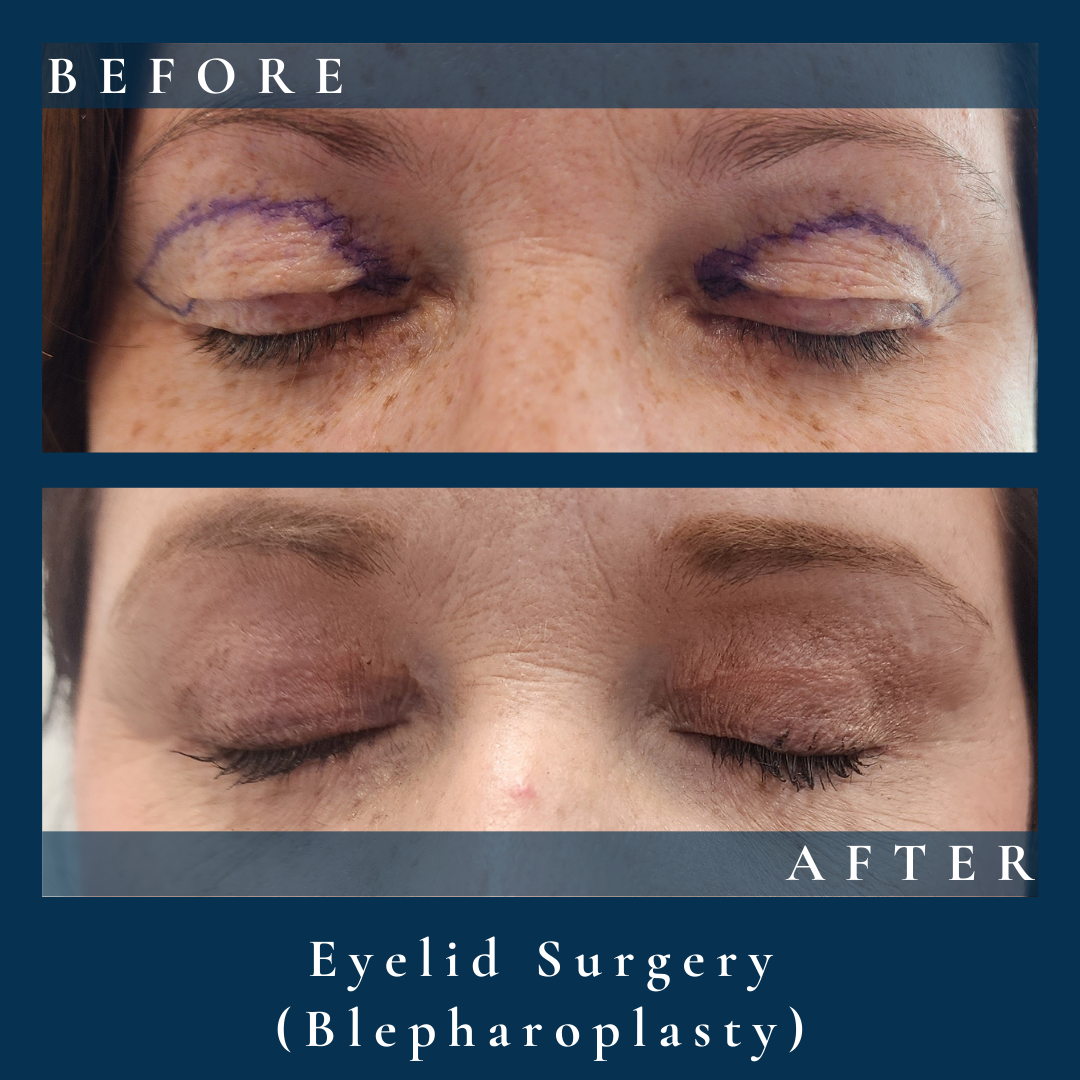
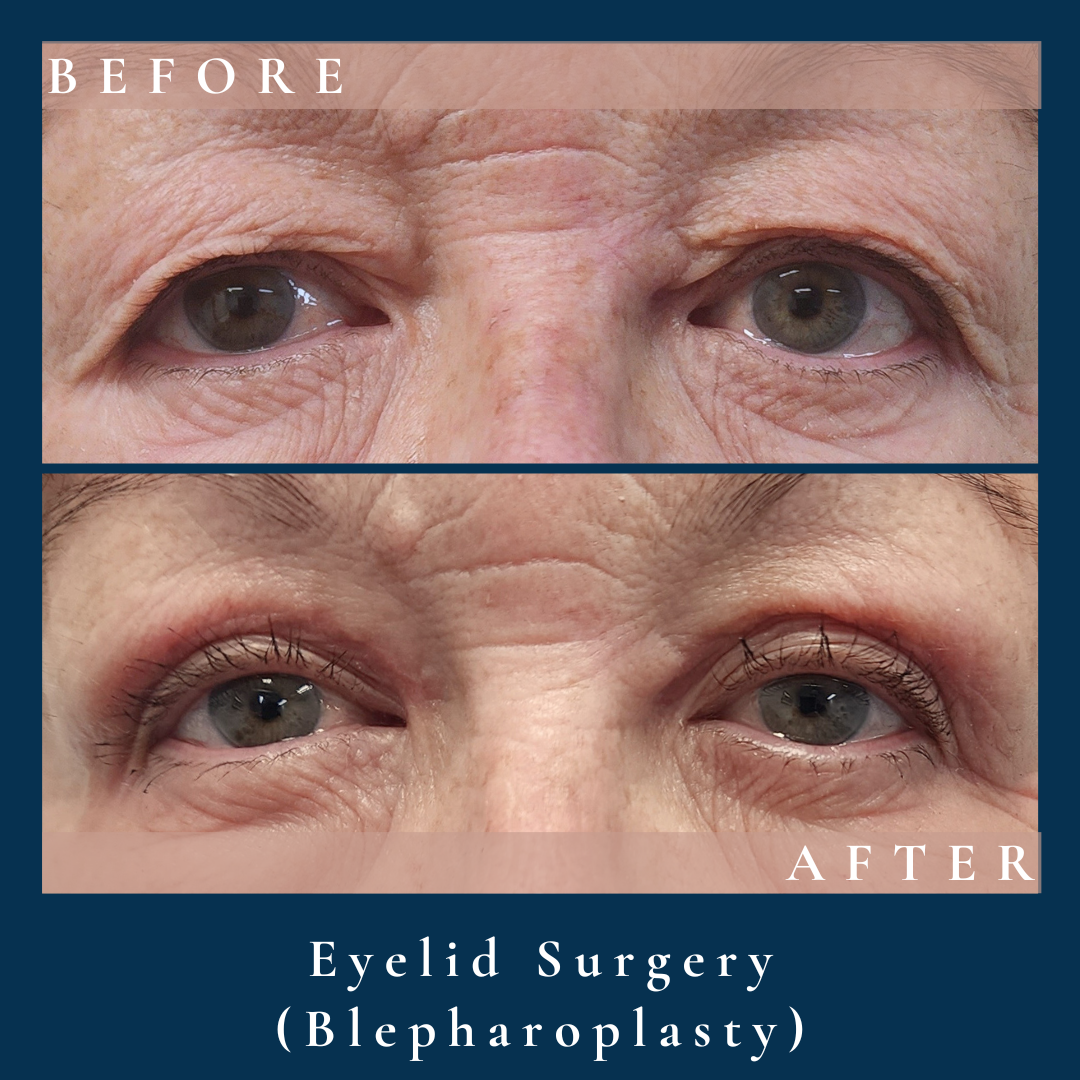
Before and After


Am I a good candidate?
Blepharoplasty may be suitable for individuals who:
- Experience drooping eyelids, excess skin, or puffiness
- Are in good physical and psychological health
- Do not smoke, or are willing to stop before and after surgery
- Do not have medical conditions that increase surgical risk
- Have realistic expectations regarding results and recovery
Procedure Options
There are different approaches to blepharoplasty, and the best option will depend on your individual needs and goals. Dr ILLIE will recommend the most suitable technique after a thorough assessment. The final choice of technique will always be based on clinical assessment and your individual preferences.
Upper Eyelid Blepharoplasty
- Removes excess skin and fat from the upper eyelids
- May improve vision when drooping skin obstructs sight
- Reduces eyelid heaviness and puffiness
- Can be done under local anaesthetic only in our rooms
Lower Eyelid Blepharoplasty
- Targets under-eye bags and loose skin
- Involves fat removal or repositioning
- Aims to smooth and support the lower eyelid contour
- The procedure is done under general anaesthetic, in theatre
Combined Upper and Lower Eyelid Blepharoplasty
- Addresses both eyelids in one procedure
- Provides a more balanced result for suitable patients
- The procedure is done in the theatre under general anaesthesia
Procedure snapshot
Upper Eyelid Blepharoplasty
Surgical duration: Approximately 2–3 hours
Hospital stay: Day surgery
Anaesthesia: Local anaesthesia

Post-operation recovery:
- Allow 1–2 weeks off work
- Use cold compresses during the first 48 hours
- Apply prescribed eye drops or ointments
- Sleep with your head elevated
- Wear sunglasses outdoors
- Avoid smoking for at least six weeks before and after surgery
Your surgical team includes:
- Dr Vlad ILLIE, a specialist plastic surgeon with international training across leading Australian and global centres.
- Tania, our highly experienced nurse, who assists throughout your surgical journey, supports Dr ILLIE during the procedure, and helps ensure your comfort, safety, and smooth recovery.
Expected outcomes:
- Reduced excess skin and sagging/ puffiness
- Improved eyelid function where vision is affected
- A refreshed eye area that looks natural
Surgical steps:
- Precise incisions placed within natural eyelid creases to hide scarring.
- Adjustment of skin and fat to address drooping or puffiness.
- Support for underlying muscles and tissues as required to achieve the planned outcome.
- Careful closure to help promote a smooth recovery.
Lower Eyelid Blepharoplasty
Surgical duration: Approximately 2–3 hours
Hospital stay: Usually day surgery
Anaesthesia: General anaesthesia

Post-operation recovery:
- Plan 1–2 weeks away from work
- Cold compresses for swelling
- Follow all prescribed eye care instructions
- Avoid smoking before and after surgery
Your surgical team includes:
- Dr Vlad ILLIE, registered plastic surgeon with a strong commitment to safety and surgical standards.
- An experienced anaesthetist for general anaesthesia and monitoring.
- Surgery performed in accredited hospitals, adhering to best practice guidelines.
Expected outcomes:
- Reduction of under-eye bags
- Improved eyelid contour
- Results that respect natural anatomy
Surgical steps:
Incisions are made just below the lower lash line (subciliary incision) or inside the eyelid (transconjunctival incision) to conceal any scars.
- Adjustment or removal of unnecessary skin, muscle, or fat to achieve a balanced eyelid contour.
- Muscle and tissue support provided as needed to create the targeted result.
- Surgical closure focused on optimal healing and comfort.

Surgical Considerations
Facial Anatomy & Ageing

The eyelids are a vital part of facial anatomy, protecting the eyes and contributing to facial expression and function. Here’s a straightforward breakdown:
-
Structure of the Upper and Lower Eyelids: The upper eyelid consists of skin, muscle (like the levator muscle that lifts the lid), and connective tissues that hold everything in place. The lower eyelid includes similar layers, plus a supportive tarsal plate that maintains its shape. These structures work together to allow blinking, which keeps the eyes lubricated and shielded from debris.
-
Role in Daily Function: The eyelids help regulate light entering the eyes and prevent dryness. In facial anatomy, they interact with surrounding areas like the brow and cheeks, influencing how we see and interact with the world.
Age-related changes in the eyelid area are a normal part of the body’s ageing process, influenced by factors like gravity, sun exposure, and genetics. These shifts can vary widely between individuals and don’t affect everyone in the same way. Common observations from clinical practice include:
-
Skin and Tissue Laxity: As we age, the skin on the upper and lower eyelids thins and loses elasticity due to reduced collagen and elastin. This can lead to excess skin folding over the lid margin, sometimes creating a hooded appearance that may feel heavy.
-
Fat and Muscle Alterations: Pockets of fat around the eyes can shift or protrude, particularly in the lower eyelids, forming subtle bulges. Muscles may weaken, causing the eyelids to droop slightly (ptosis in the upper lid), which can alter the eye’s opening.
-
Bone and Support Changes: The orbital bones that frame the eyes may resorb slightly with age, reducing the space for soft tissues and contributing to a more prominent look in the eyelid area.
It’s important to note that not all changes require intervention—many are cosmetic in nature and manageable through lifestyle adjustments. If they affect your quality of life, eyelid surgery (blepharoplasty) might be discussed as an option, but only after weighing the risks and benefits in a thorough consultation.
From superficial to deep, the main components include:
Skin: The eyelid skin is the thinnest skin on the body, making it particularly susceptible to environmental damage and ageing. It contains minimal subcutaneous fat, which contributes to its delicate nature.

Muscles: The primary muscles involved are the orbicularis oculi muscle, responsible for closing the eyelids, and the levator palpebrae superioris muscle, which elevates the upper eyelid. These muscles maintain eyelid tone and function.

Fat Pads: There are distinct fat compartments in the upper and lower eyelids that cushion the eye and provide contour. These fat pads help maintain the youthful fullness of the eyelids.

Connective Tissue and Ligaments: These structures support the eyelid framework, anchoring muscles and fat pads to the underlying bone and maintaining eyelid position.
At Dr ILLIE’s practice in plastic surgery Sydney, we focus on a specialist assessment during a thorough consultation. This allows us to evaluate your specific facial anatomy, discuss how age-related changes might be impacting you, and explore whether blepharoplasty aligns with your needs. Our approach is always tailored to patient-centred care, ensuring you have all the information for an informed decision.
Types of Incisions
The choice of incision depends on the extent of correction needed and the areas targeted:
Upper Eyelids
-
Incisions are made within the natural crease of the upper eyelid to help conceal any potential scarring.
-
This approach allows for the careful removal or adjustment of excess skin and fat, with the aim to maintain the natural contour of the eyelid.
-
After the adjustment, the incisions are closed with sutures, and the fine line is usually hidden when the eyes are open.
Lower Eyelids
-
Incisions may be placed just below the lower lash line (subciliary) or inside the lower eyelid (transconjunctival), depending on the amount of skin, fat, or muscle that requires attention.
-
The transconjunctival approach (inside the eyelid) allows fat to be removed or repositioned with no visible external scar, suitable for cases when skin removal is not needed.
-
For excess skin adjustment, a delicate incision below the lash line is used, aligning with natural contours and supporting effective recovery.
-
The choice of technique is tailored to each patient’s needs following a thorough consultation, with recovery guidelines discussed before surgery.
All procedures by Dr ILLIE carefully follow Australian surgical best practices, prioritising safety, natural contours, and minimal visibility of scars.
Effectiveness
- Blepharoplasty, whether for the upper or lower eyelids, effectively addresses excess skin and puffiness that may affect eyelid function and appearance.
- Upper eyelid blepharoplasty removes sagging skin that can impair vision and restores a natural, rested look around the eyes.
- Lower eyelid blepharoplasty targets under-eye bags by removing or repositioning excess fat and skin, smoothing the contour beneath the eyes.
- Blepharoplasty results are long‑lasting, but the natural ageing process continues, and some looseness or excess skin can slowly return over 5-10 years. Even so, patients remain ahead of where they would have been without surgery, as the procedure effectively resets their baseline and reduces future sagging
- Non-surgical options such as dermal fillers, laser treatments, or skin resurfacing may improve skin texture, tone, or volume, but cannot remove loose skin or reposition fat.
- Effectiveness of blepharoplasty depends on individual anatomy, skin quality, and overall health, with natural ageing continuing after surgery.
- Dr Vlad ILLIE offers personalised assessments to determine the most suitable approach, recognising that non-surgical treatments may be appropriate for mild concerns or as complementary therapies, but have limitations in correcting structural eyelid changes.
Potential Risks and Complications
- Anaesthesia Risks: Reactions to anaesthesia, whether local or general, are possible. It is important to discuss your full medical history with your surgeon and anaesthetist beforehand.
- Blood Clots: Clot formation near surgical sites can occur and may pose serious health risks.
- Temporary Numbness: Sensory changes around the surgery area are common and usually improve over time.
- Bleeding and infection
- Dry or inflamed eyes
- Difficulty fully closing the eyes or other eyelid function issues
- Noticeable scarring, although incisions are placed to minimise visibility
- Injury to the eye muscles
- Skin discolouration around the eyelids
- Temporary clouding of vision, and in very rare cases, loss of sight
- The possibility of asymmetry or uneven results
- The potential need for revision surgery to address any concerns
Safety Measures & Surgeon Expertise
Why is it important to choose a fully qualified, board-certified plastic surgeon?
Choosing a certified Specialist Plastic Surgeon (FRACS) who is a member of the Australian Society of Plastic Surgeons (ASPS) or ASAPS ensures your surgeon meets the highest professional standards. A fully qualified and AHPRA‑registered surgeon has completed rigorous training and adheres to strict professional requirements. Board certification and specialised training in facial surgery indicate that the surgeon has the expertise needed to perform procedures safely and competently, helping to reduce the risk of complications.
What qualifications and training does Dr Vlad ILLIE have?
Dr ILLIE brings extensive experience and highly refined surgical skills to facelift procedures, supported by his comprehensive plastic surgery training and more than a decade of performing complex facial reconstructions for patients with traumatic injuries and cancer‑related defects. This depth of experience shapes his approach to aesthetic surgery, enabling him to operate with precision, care, and a deep, anatomically grounded understanding of the face.
As a fully qualified plastic surgeon with training in facial surgery, Dr Vlad ILLIE is registered with AHPRA and holds relevant certifications that demonstrate his commitment to maintaining high standards of surgical care and patient safety.
How does Dr ILLIE ensure surgical safety?
- Conducts comprehensive pre-operative assessments to understand your health status and individual needs.
- Develops a personalised surgical plan tailored to your facial anatomy and goals.
- Uses refined, evidence-based surgical techniques to minimise tissue trauma and promote smoother recovery.
- Works within accredited surgical facilities that adhere to strict hygiene and safety protocols.
- Collaborates with experienced anaesthetists and nursing staff to monitor your wellbeing throughout the procedure.
What role do consultations play in safety?
Dr ILLIE prioritises thorough consultations to:
- Explain the procedure clearly, including potential risks and realistic outcomes.
- Answer all your questions to ensure you have a full understanding before proceeding.
- Discuss lifestyle factors such as smoking cessation and health optimisation to support healing.
- Set clear expectations to help you make an informed decision.
How are risks minimised during and after surgery?
-
- Careful patient selection and preparation, including managing any medical conditions.
- Strict adherence to infection control and surgical safety checklists.
- Post-operative monitoring and follow-up appointments to detect and manage any issues early.
- Providing detailed aftercare instructions to support recovery.
Recommendations for Patients
Maintain open and honest communication with Dr ILLIE throughout your surgical journey. It is important to provide a complete and accurate medical history, including any medications, allergies, or previous procedures. Discuss any concerns or questions you have, as well as your expectations, to ensure a clear understanding of the procedure and realistic outcomes.
Follow all preoperative instructions carefully. This may include:
- Adjusting or temporarily stopping certain medications as advised to reduce risks during surgery.
- Ceasing smoking at least six weeks before the procedure to support better healing and reduce complications.
- Maintaining a balanced diet and staying well-hydrated to prepare your body for surgery.
- Arranging for support on the day of surgery and during the initial recovery period, as you may have limited mobility.
Adhere strictly to postoperative care guidelines provided by Dr ILLIE and his team. This includes:
- Proper wound care and hygiene to prevent infection.
- Avoiding heavy lifting, strenuous exercise, and smoking for the recommended duration to promote healing.
- Taking prescribed medications as directed to manage pain and reduce inflammation.
- Attending all scheduled follow-up appointments to monitor your recovery progress.
Be vigilant for any signs of complications and contact the clinic promptly if you experience:
- Severe or persistent pain that is not relieved by medication.
- Redness, warmth, swelling, pus, or fever, which may indicate infection.
- Excessive bleeding or swelling beyond what was explained during your consultation.
- Any other unexpected symptoms or concerns regarding your recovery.
Following these recommendations carefully helps to minimise risks, supports effective healing, and contributes to achieving the best possible results from your procedure.
Combined Surgical Interventions
Dr Vlad ILLIE often performs combined surgical procedures to address multiple areas in a single operation, providing a comprehensive approach to facial rejuvenation and functional improvement. Combining procedures can offer the benefit of a single recovery period and a more harmonious overall result.

Eyelid Surgery (Blepharoplasty) + Facelift with Neck lift
This combination addresses sagging skin and muscle laxity in the lower face and neck, along with excess skin or puffiness around the eyelids. It can help improve facial contours and eyelid function in one surgical session.

Eyelid Surgery (Blepharoplasty) + Browlift
This combination targets the upper face by lifting sagging brows and improving eyelid contour and function. It can rejuvenate the eye area, reduce hooding, and create a more refreshed appearance.
Combining these procedures allows for a more harmonious and natural restoration of facial balance and ageing signs across multiple areas, with careful planning to ensure patient safety and optimal recovery.
Frequently Asked Questions
How do I choose the right surgeon for my eyelid surgery?
- Confirm they are a certified Specialist Plastic Surgeon (FRACS) and a member of the Australian Society of Plastic Surgeons (ASPS) or ASAPS, ensuring they meet the highest professional standards.
- Look for surgeons with substantial, specialised experience in facial procedures, including deep knowledge of facial anatomy and advanced eyelid surgery techniques.
- Review their before‑and‑after portfolio to assess consistency, attention to detail, and alignment with your aesthetic goals.
- Ensure they operate in accredited surgical facilities, which support safety, sterility, and appropriate standards of care.
- Choose someone you feel comfortable with, who listens to your goals and concerns and communicates clearly throughout the process.
Dr ILLIE exemplifies these qualities, combining FRACS‑accredited training with extensive experience in facial surgery, personalised care, clear communication, and a strong commitment to patient safety.
How long do the results of blepharoplasty typically last?
Results often last 5 to 10 years or more, depending on factors like skin quality, lifestyle, and genetics. Natural ageing will continue, but the procedure significantly delays visible ageing signs.
Will there be visible scarring after surgery?
Scars are minimal and strategically placed within natural creases or inside the eyelid (transconjunctival approach). They typically become nearly invisible within 6 to 12 months.
Will I have visible scarring after the procedure?
- Incisions are placed discreetly along natural skin creases and within the hairline to minimise visibility.
- Scars typically fade over time and can be further improved with proper wound care and sun protection.
- Dr ILLIE provides guidance on scar management during recovery.
How do I know which type of blepharoplasty is right for me?
Dr ILLIE evaluates skin laxity, fat prolapse, muscle tone, and vision impact to recommend upper, lower, or combined blepharoplasty tailored to your anatomy and goals.
What should I do to prepare for my eyelid surgery?
Stop smoking at least 6 weeks prior, avoid aspirin, NSAIDs, and supplements that increase bleeding risk, and disclose all medications and health conditions. Follow all pre-op instructions carefully.
Is blepharoplasty painful?
Pain is usually mild and controlled with prescribed analgesics. Some tightness, swelling, and bruising are normal but improve within days to weeks.
How soon can I return to work and normal activities?
Most return to work in 7 to 14 days. Avoid heavy lifting, vigorous exercise, and swimming for at least 2 to 3 weeks to ensure proper healing.
Will blepharoplasty improve my vision?
Yes, removing excess upper eyelid skin can restore peripheral vision obstructed by drooping lids.
How can I optimise my results after surgery?
Keep the head elevated, apply cold compresses as directed, avoid strenuous activity for 2 weeks, protect eyes from sun and wind with sunglasses, and attend all follow-up visits.
how Dr Vlad ILLIE’s Approach Stands Out

Dr Vlad ILLIE is a highly qualified Specialist Plastic and Reconstructive Surgeon based in Sydney, with extensive experience in facial plastic and reconstructive surgery.
Dr ILLIE has completed comprehensive international fellowships in Oxford, UK and Stuttgart, Germany, specialising in microsurgical reconstruction, complex facial revision surgery, and advanced cosmetic techniques. His background includes managing challenging reconstructive cases, including head and neck reconstruction, which contributes to his precise surgical skill set.
His results distinguish by:
- Minimal Visible Scarring
Incisions are meticulously placed within natural eyelid creases or along the lash line, ensuring scars are discreet and fade naturally over time, consistent with best Australian surgical practices. - Preservation of Natural Eye Function and Expression
Surgical techniques prioritise maintaining eyelid muscle function and natural blinking, avoiding a “stiff” or unnatural appearance while improving eyelid contour and function. - Balanced Appearance of Upper and Lower Eyelids
Careful attention is given to both upper and lower eyelids to achieve a harmonious, refreshed look without overcorrection or imbalance. - Natural Eye Contour without Over-tightening
Excessive skin removal or tightening is avoided to prevent a “pulled” or unnatural look, focusing instead on maintaining the eye’s natural anatomy. - Preservation of Eyelid Volume to Prevent Hollowing
Fat repositioning or conservative fat removal techniques are used to maintain appropriate volume around the eyes, preventing a sunken or gaunt appearance. - Use of Advanced, Layered Surgical Techniques
Deeper tissue layers beneath the skin (such as the orbicularis muscle and septum) are engaged for longer-lasting, natural results rather than relying on skin tightening alone. - Customised Surgery Based on Individual Anatomy and Ageing
Procedures are tailored to the patient’s unique eyelid structure, skin quality, and ageing pattern, avoiding a “one-size-fits-all” approach. - Comprehensive Pre- and Post-Operative Care
Patients receive detailed education, clear postoperative instructions, and ongoing support to promote optimal healing and address any concerns during recovery.

Further information
For eyelid and facial cosmetic surgery interventions, please book a consultation with Dr Vlad ILLIE, Specialist Plastic Surgeon and Fellow of the Royal Australasian College of Surgeons. Dr ILLIE will provide further information on the treatment and specific recommendations for your circumstances.
For additional emotional care through your wellness journey, we can also provide psychological support.
Schedule a Consultation
Ph (02) 9101 4707
Fax (02) 9182 0092
office@drvladillie.com.au
Sydney Centre for Plastic Surgery
Suite 1702, Westfield Tower 2
101 Grafton St
Bondi Junction NSW 2022
Gosford Private Medical Centre
Suite 2, 213 Albany St North,
Gosford NSW 2250
Breast reduction Sydney, Breast Reduction Surgery Sydney, Boob reduction, Breast Surgery, Breast reduction surgery, Breast surgery for back pain, Surgery for large breasts, Oversized breast surgery – Dr Vlad ILLIE, plastic surgeon Sydney
Breast Augmentation Sydney, Breast Surgery Sydney, Boob job Sydney, Breast Implants Sydney Eastern Suburbs, Breast Enlargement Sydney, Breast Enhancement, Breast Enhancement Sydney, Breast implant surgeon Sydney, Silicone Implants, Motiva Implants – Dr Vlad ILLIE, plastic surgeon Sydney
Breast Reconstruction Surgery Sydney, Breast Cancer Reconstruction Sydney, Diep Flap Surgery, Reconstructive Surgery, Breast Reconstructive Surgery, Breast Surgery Post-Breast Cancer, Breast Surgery Post-Mastectomy – Dr Vlad ILLIE, plastic surgeon St Vincent’s Hospital Sydney
Mummy Makeover, Saggy Breasts Surgery, Breast Lift & Implant, Boob lift, Breast enlargement and lift, Breast enhancement Sydney, Breast surgery post-pregnancy, Breast surgery post-weight loss – Dr Vlad ILLIE, plastic surgeon St Vincent’s Hospital Sydney
Breast Augmentation Sydney, Breast Surgery Sydney, Boob job Sydney, Breast Implants Sydney Eastern Suburbs, Breast Enlargement Sydney, Breast Enhancement, Breast Enhancement Sydney, Breast implant Surgeon Sydney, Silicone Implants, Motiva Implants – Dr Vlad ILLIE, plastic surgeon
Breast Revision, Breast Surgery Sydney, Breast implant revision, Breast augmentation revision, Breast implant replacement, Breast Implant Reduction, Breast Implant Replacement, Surgery for botched breasts – Dr Vlad ILLIE, plastic surgeon
Tuberous breast surgery Sydney, tuberous breast correction Sydney, tuberous breasts, plastic surgeon Sydney, cosmetic surgeon Sydney, severe tuberous breasts, mild tuberous breast, Tuberomastoplasty, Lollypop Breast Lift – Dr Vlad ILLIE, plastic surgeon Sydney
Asian Breast Surgery Sydney, Asian breast implants, Asian scar healing breast implants, Asian breast reduction Sydney, Asian breast revision Sydney – Dr Vlad ILLIE, plastic surgeon Bondi Junction
Breast implant removal Sydney, Breast explant Sydney, breast implant removal surgery, breast implant removal plastic surgeon Sydney, BREAST IMPLANT EXPLANTATION SURGERY, removal of the breast implants, breast implant revision procedures performed, including removal of breast implants – Dr Vlad ILLIE, plastic surgeon Sydney