
Breast Aesthetic Procedures
Before & After Gallery
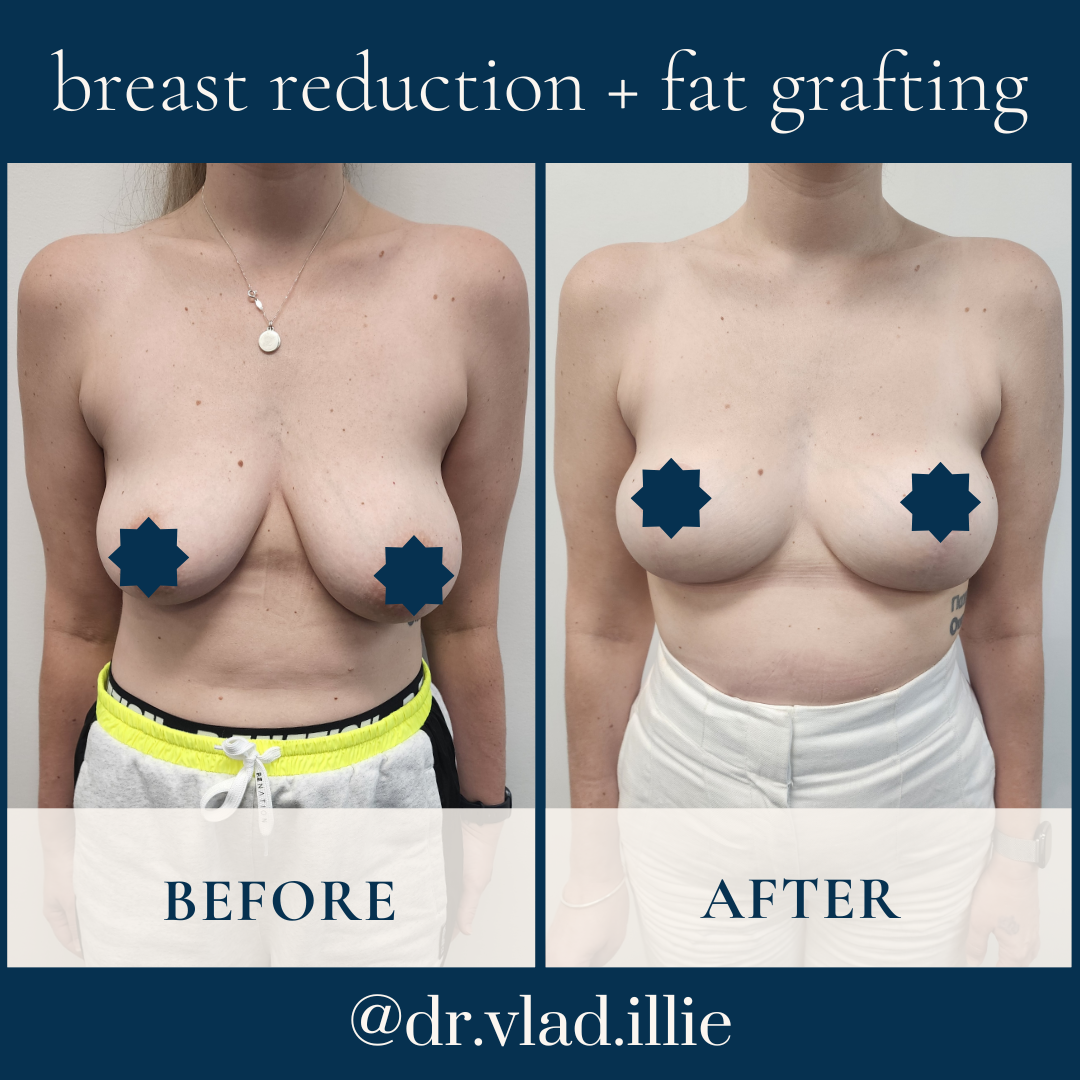
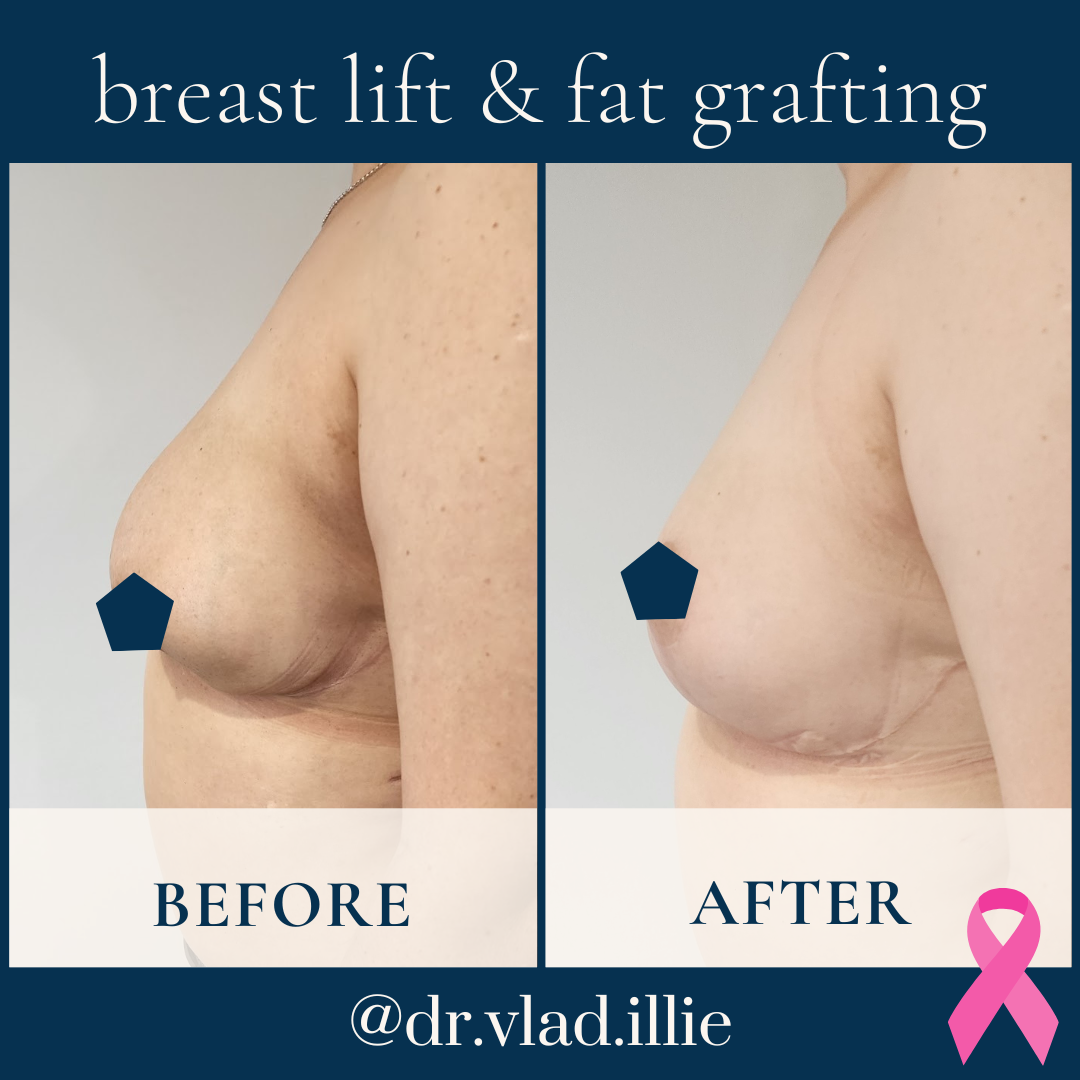
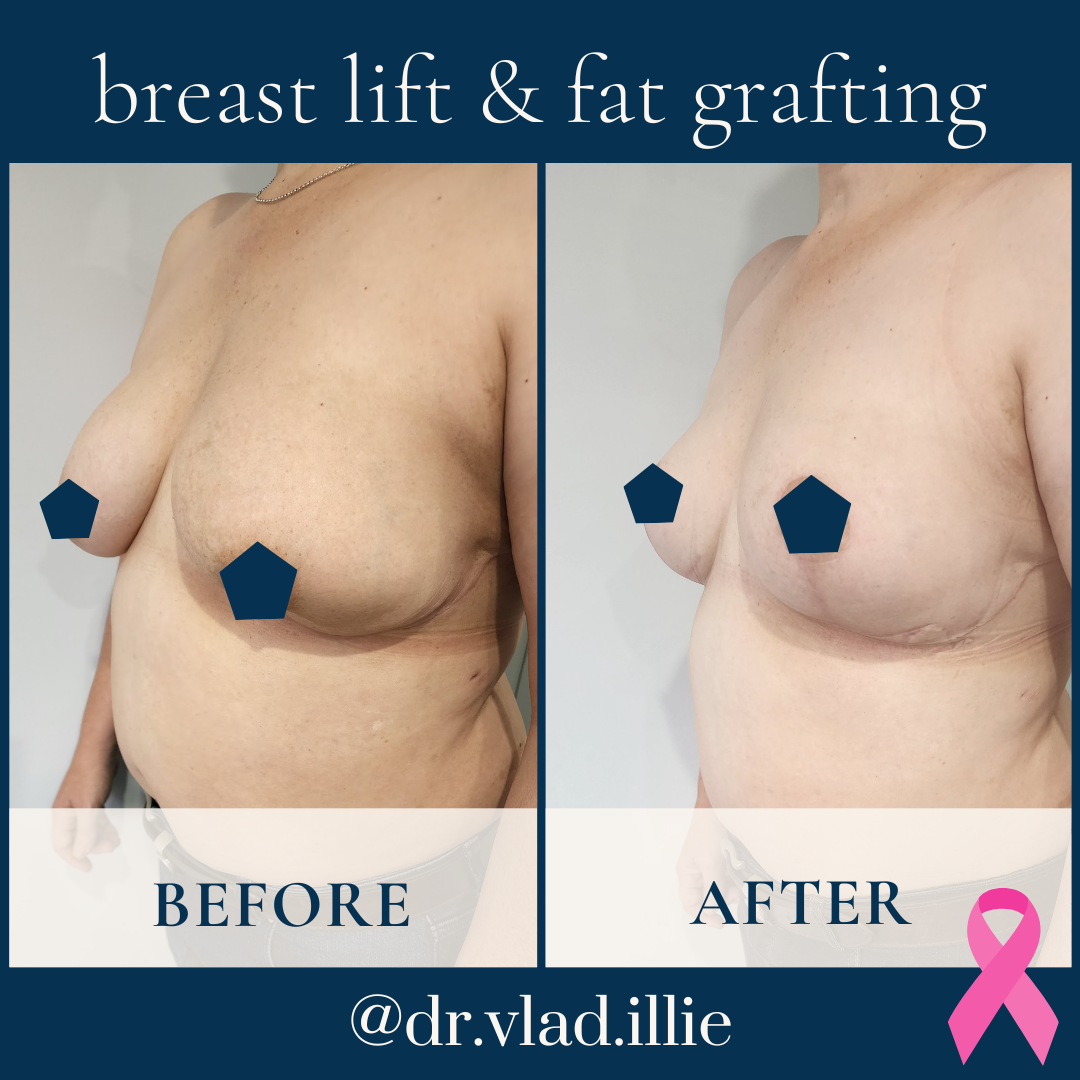
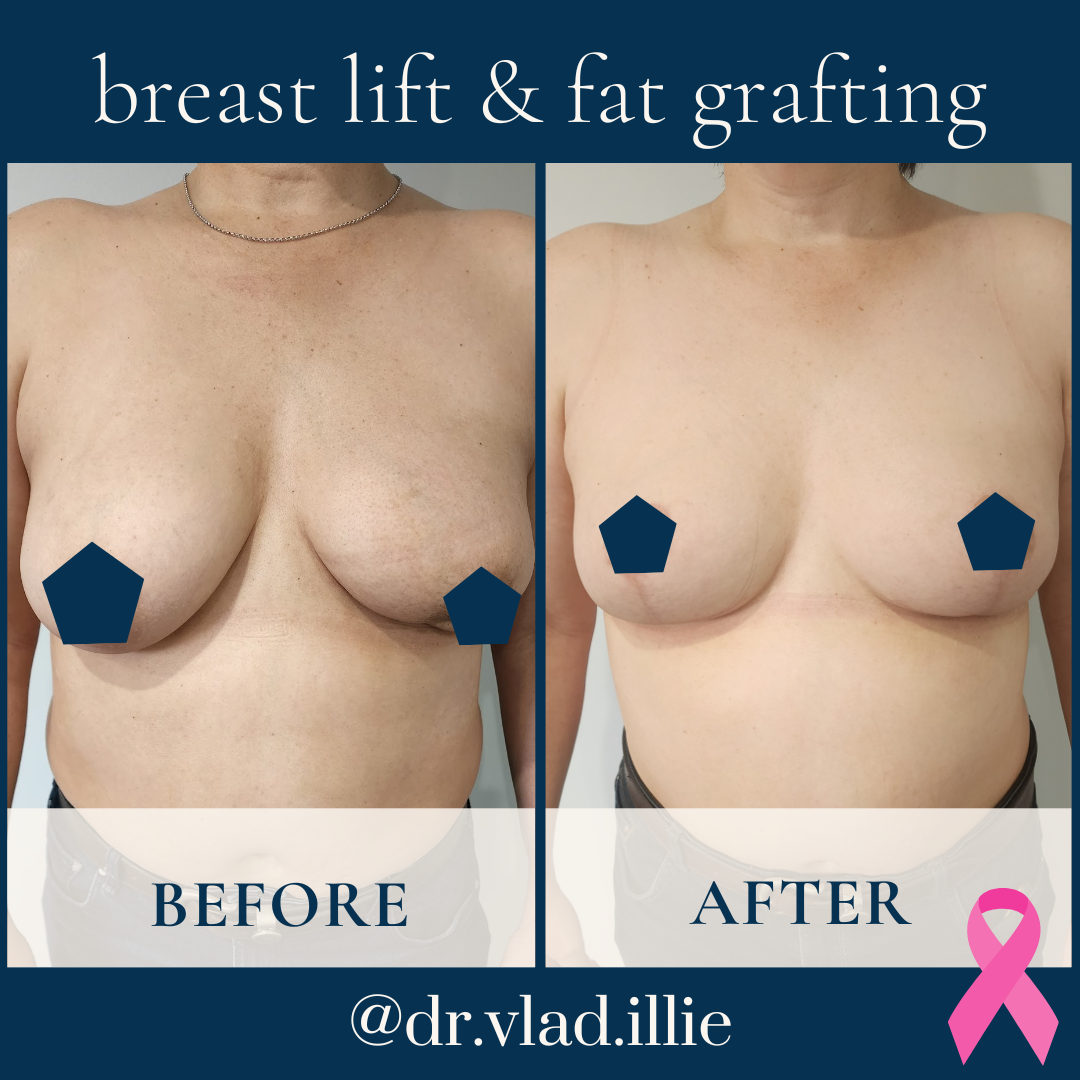
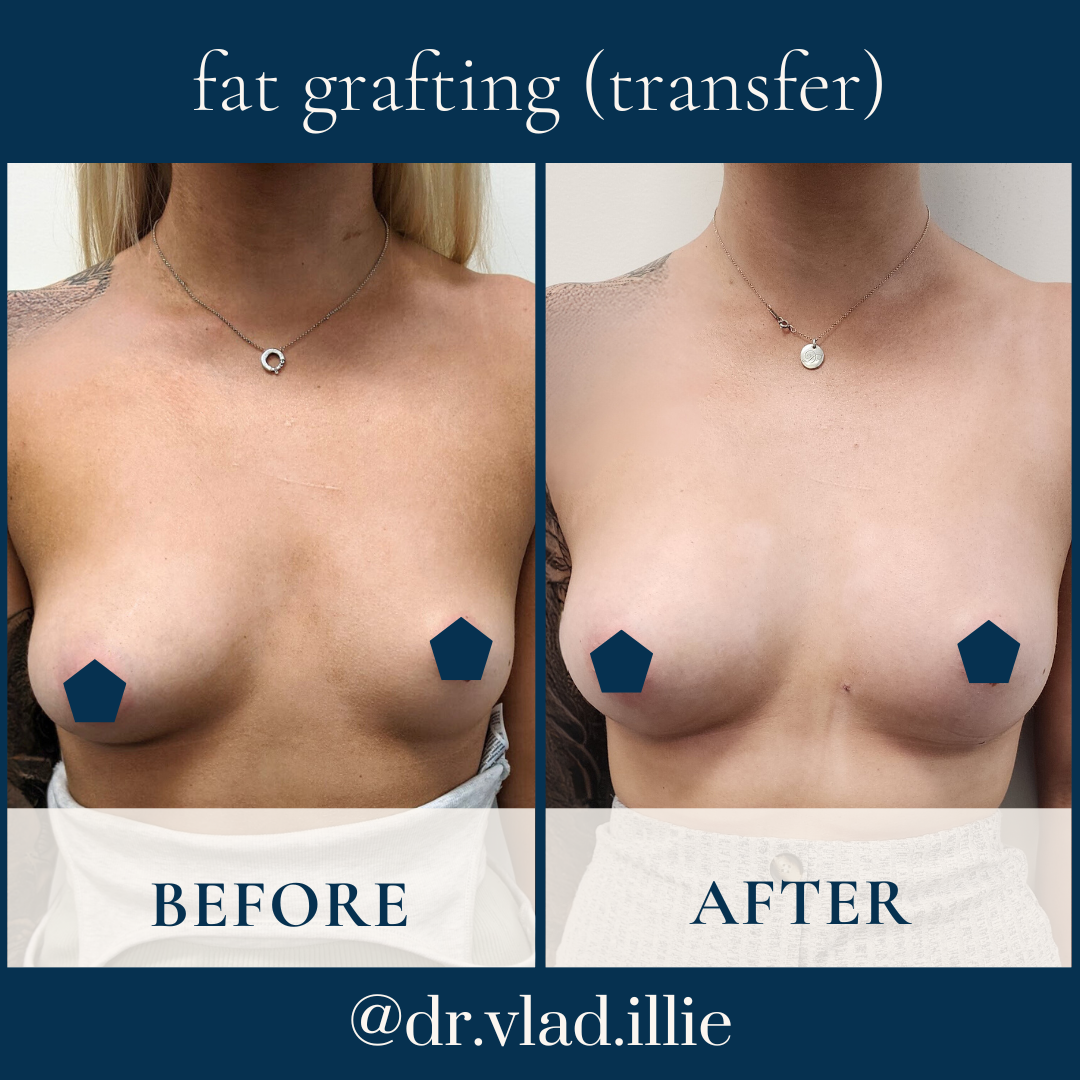
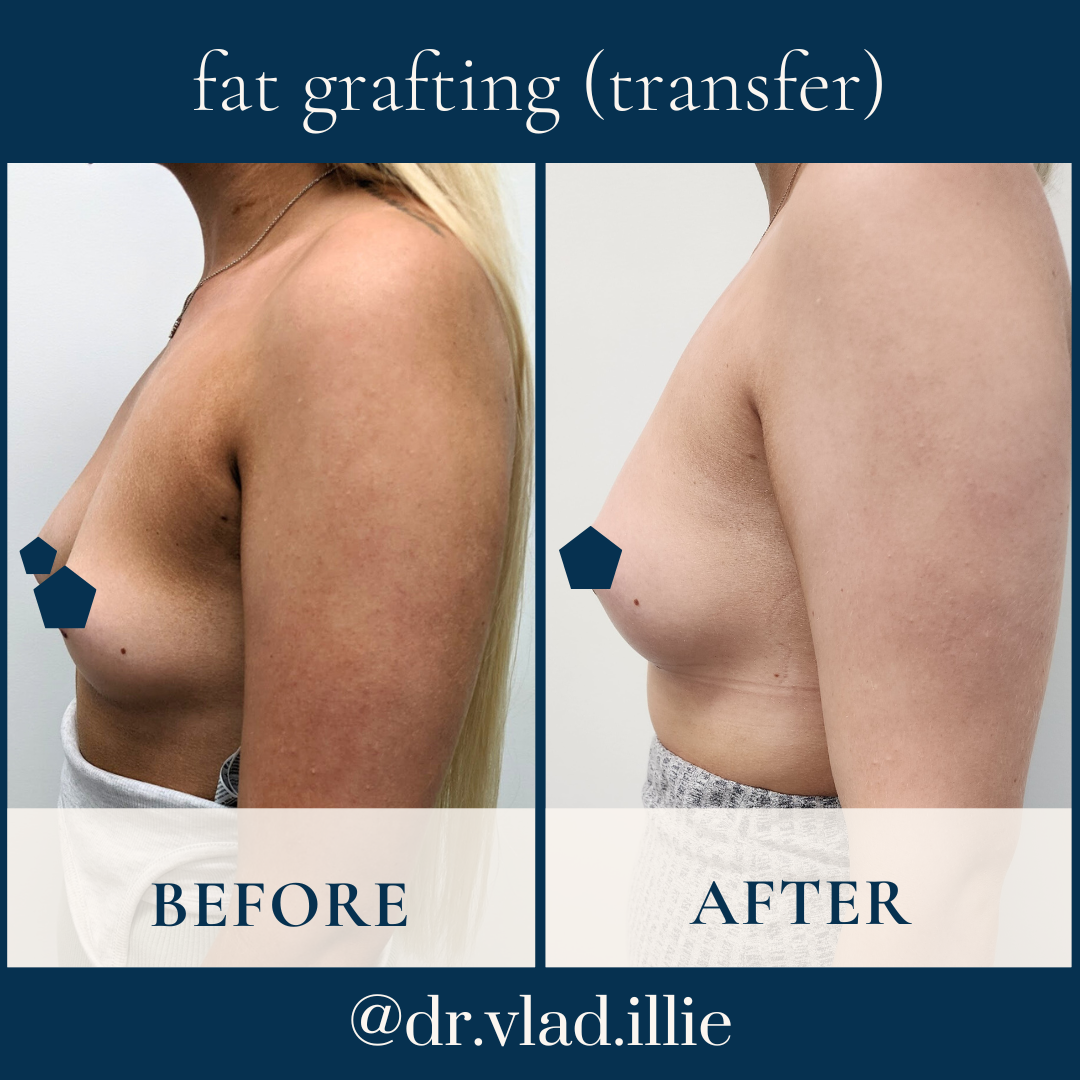
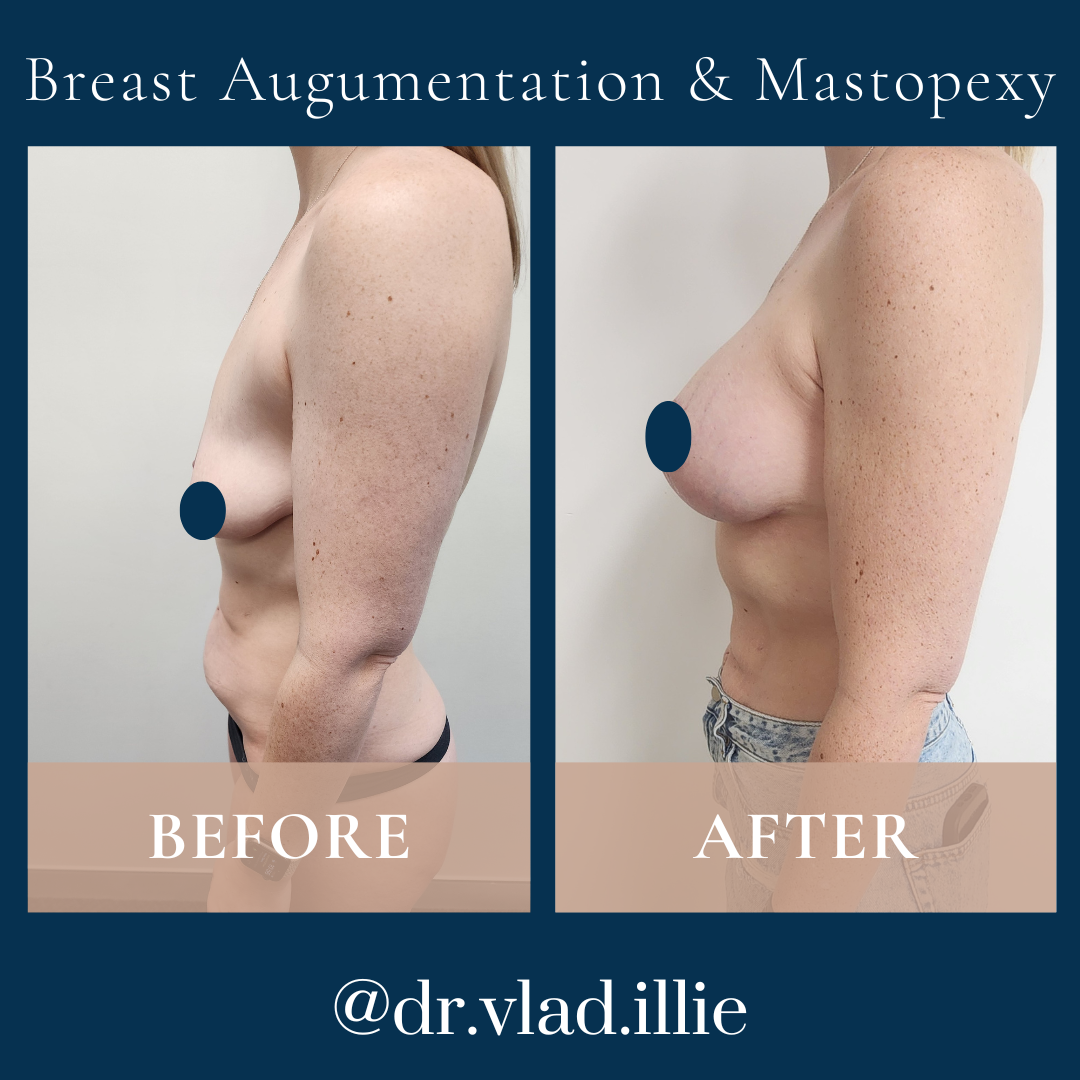
The images below document individual patients who have undergone breast surgical procedures: breast reduction, breast lift, fat grafting, breast augmentation. Combined procedures are common; a single set of images may reflect more than one treatment performed during the same operation. Surgical outcomes vary between individuals based on anatomy, tissue characteristics, skin quality, and healing. These images are provided for medical information purposes only and do not represent a guarantee, promise, or prediction of outcome for any other patient.
Breast Reduction
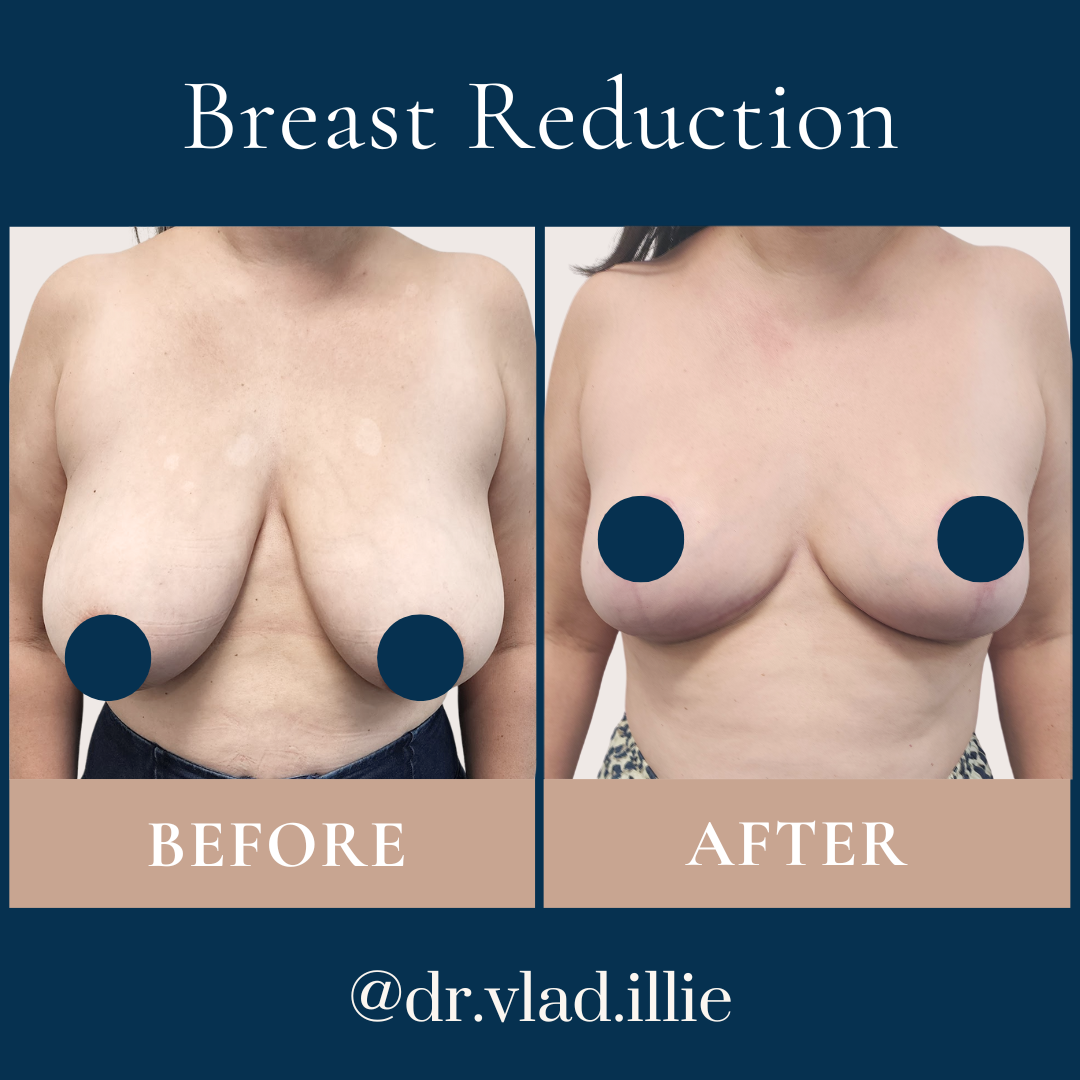
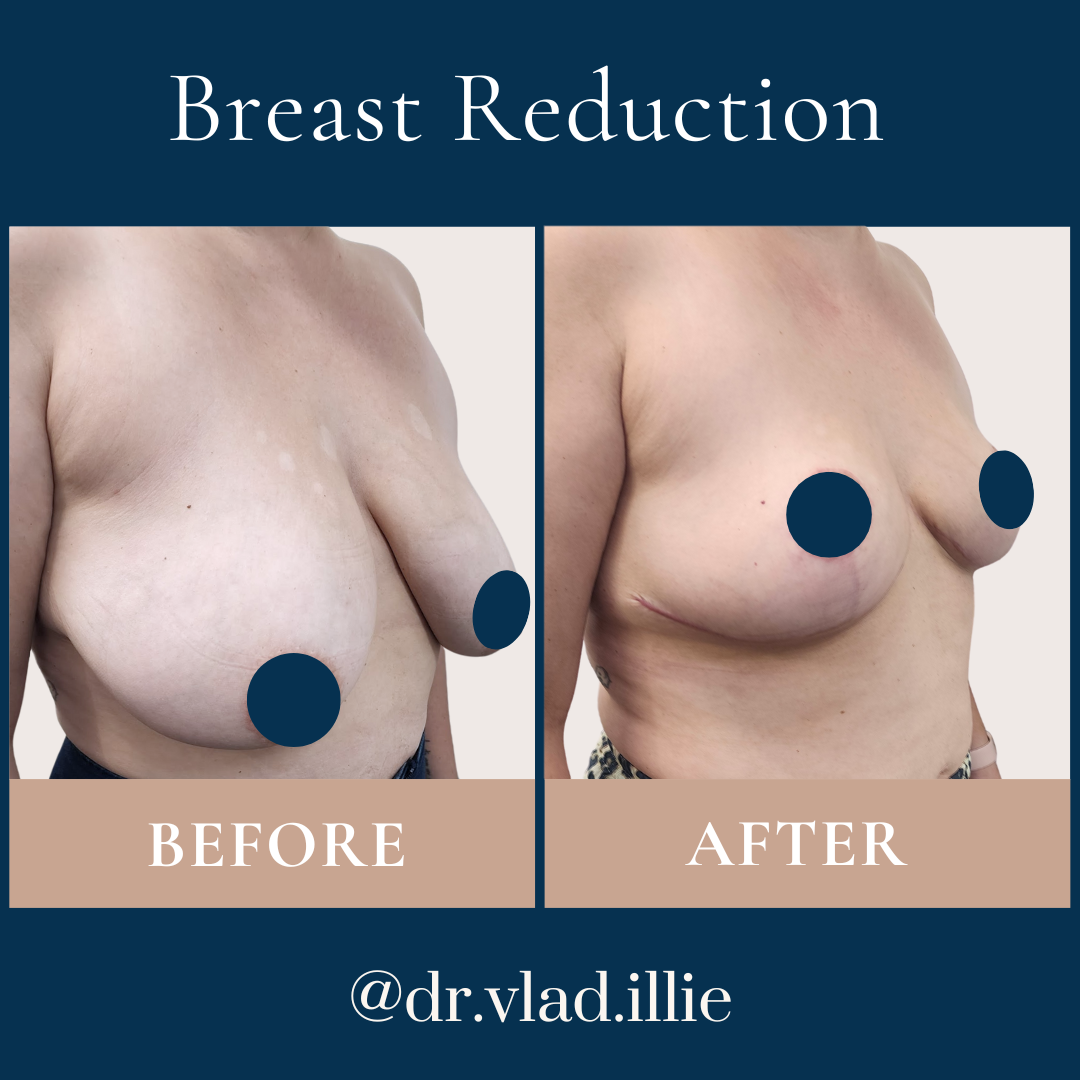
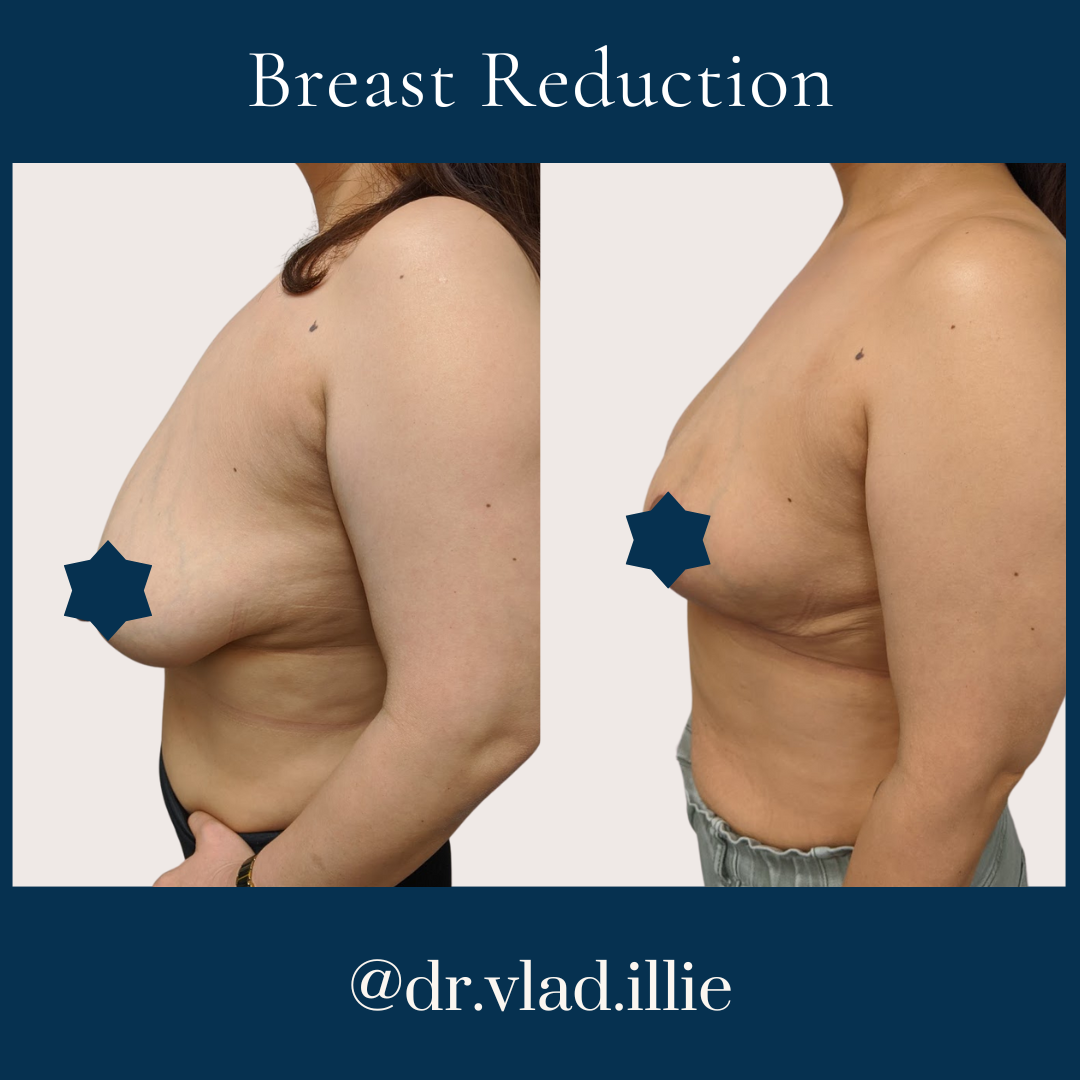
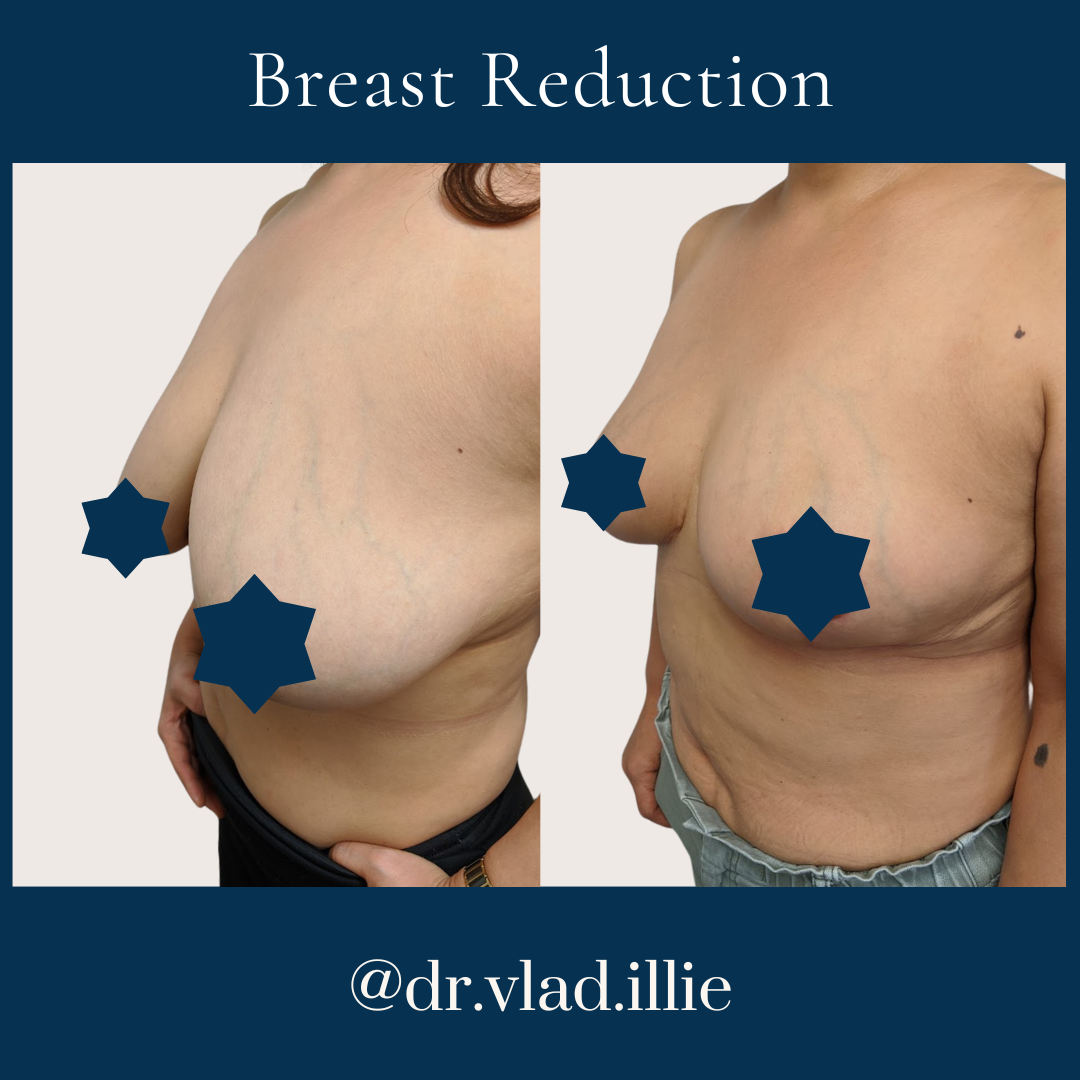
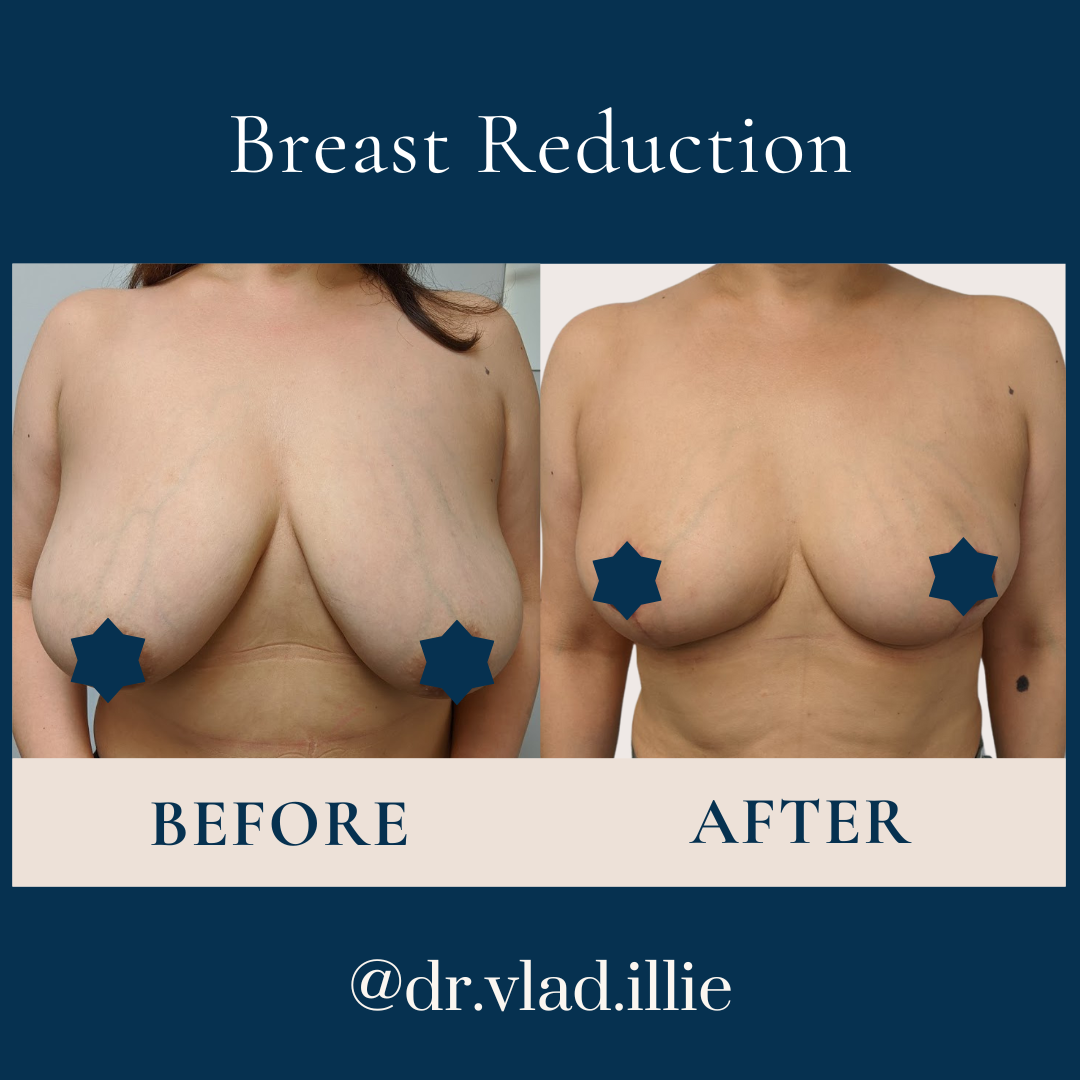
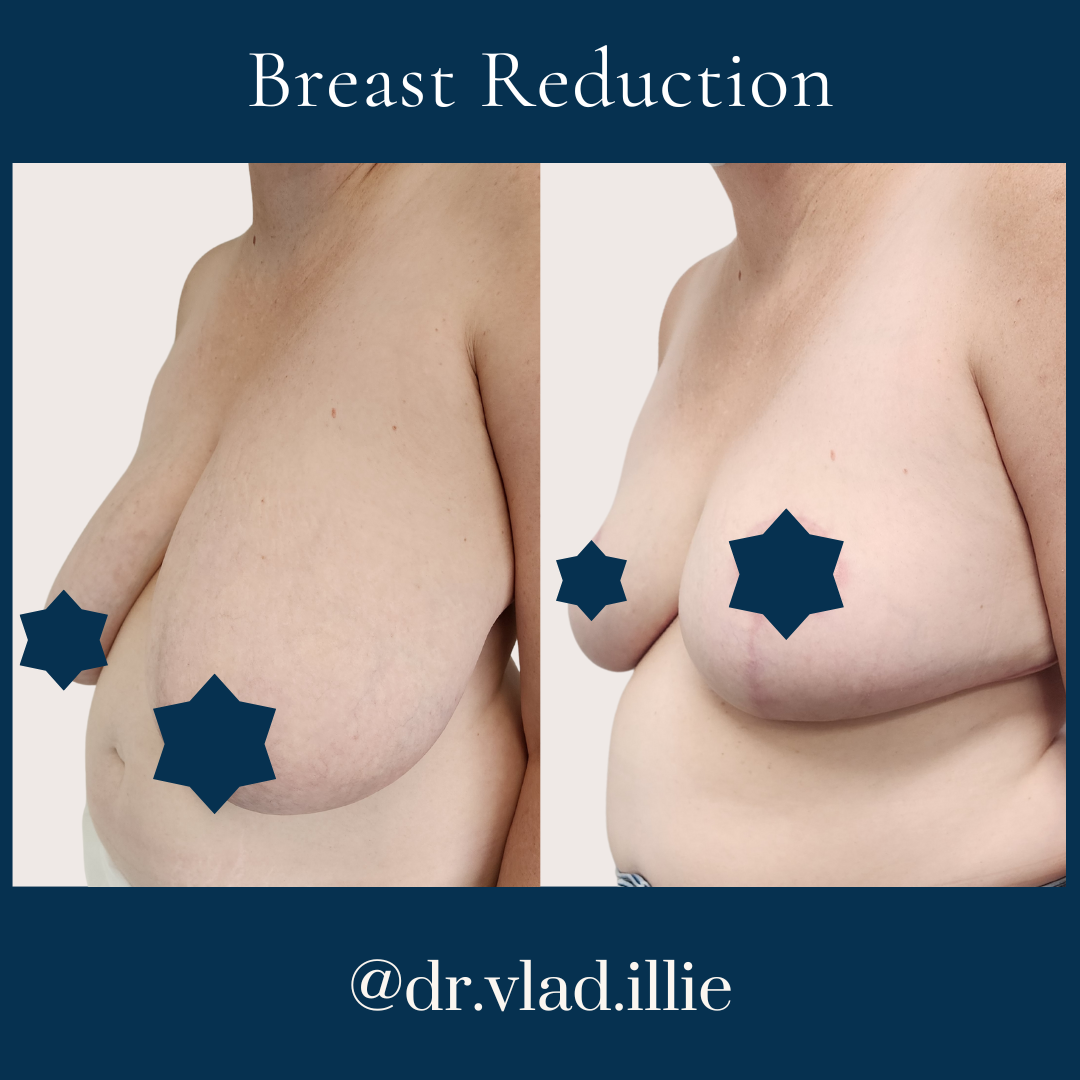
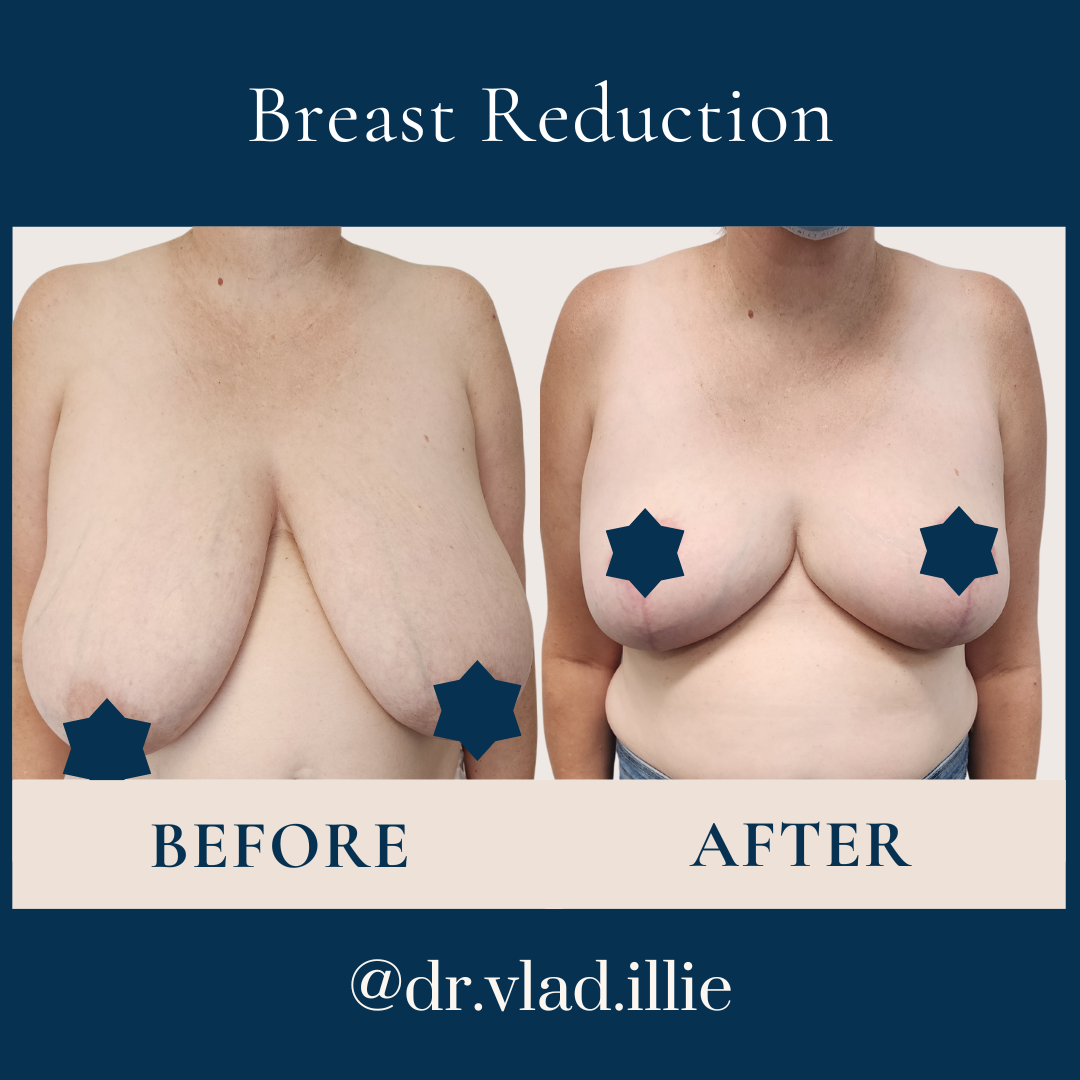

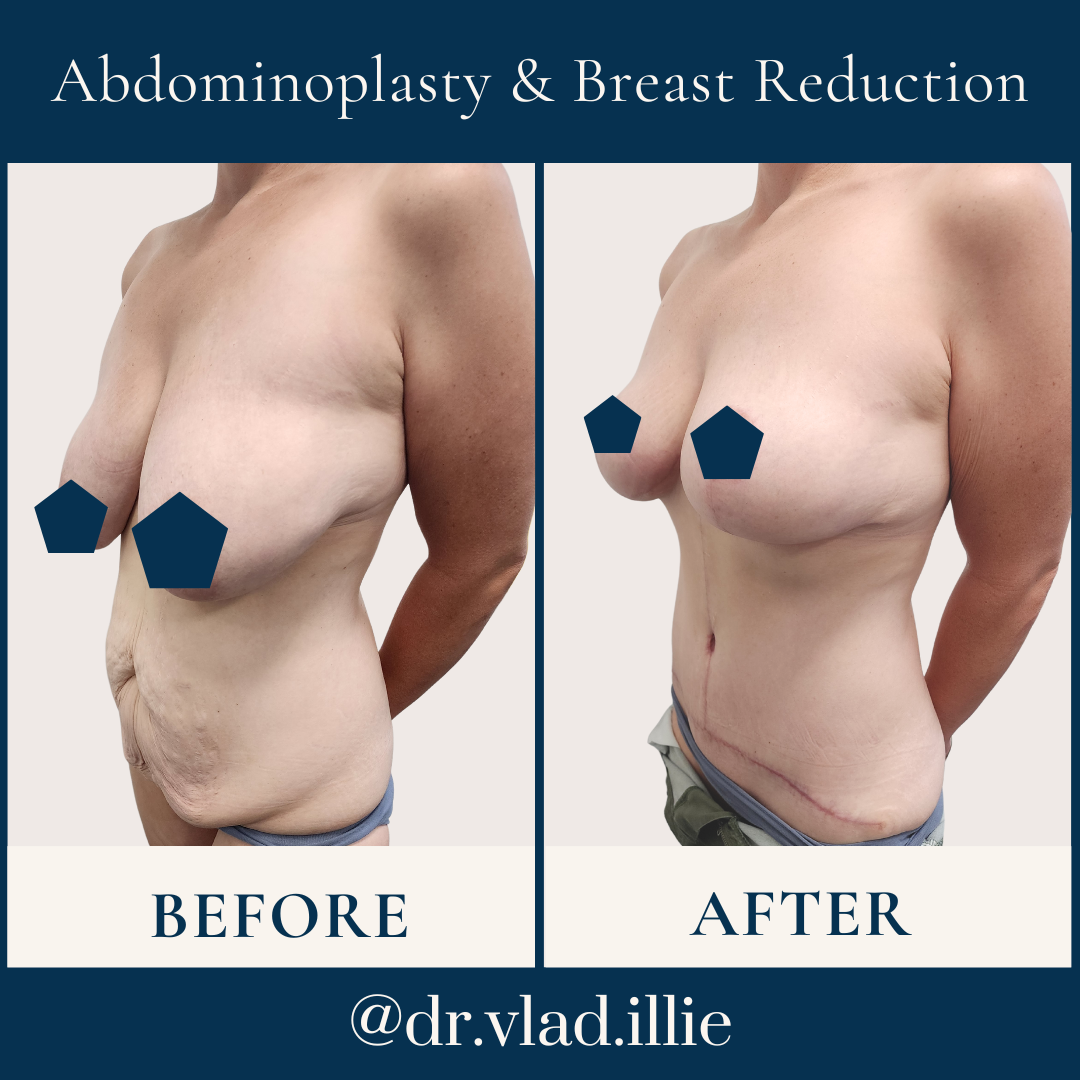
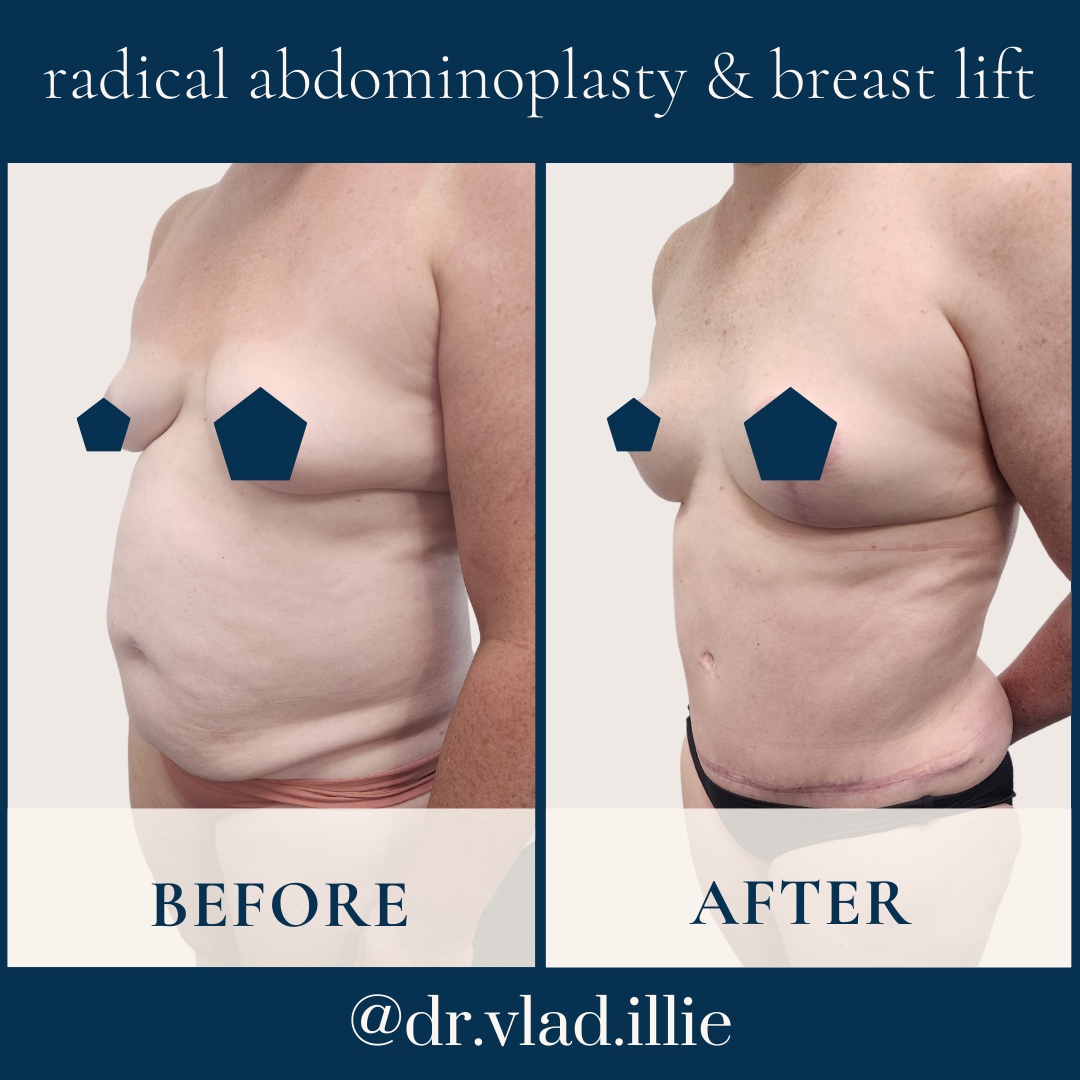
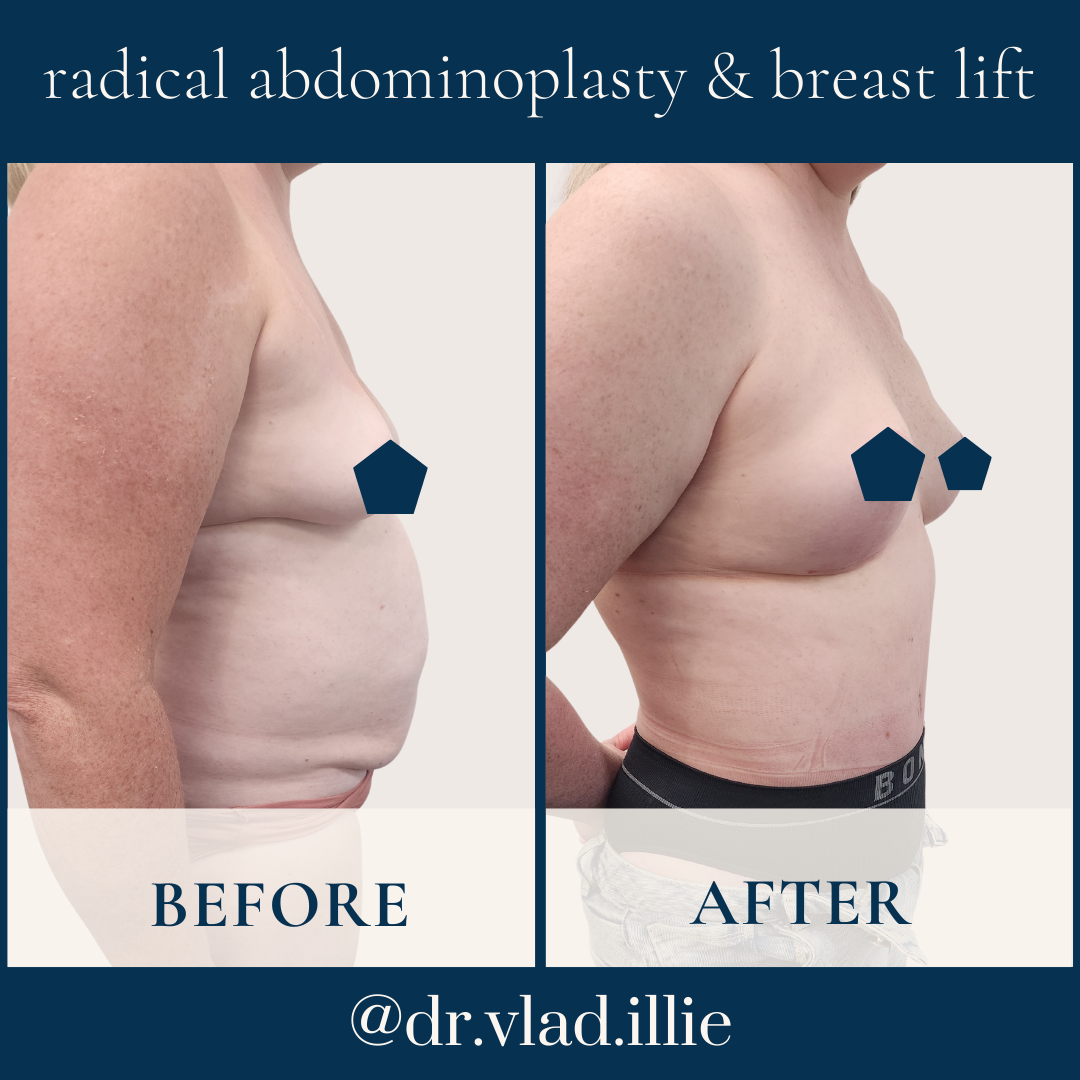
Breast Reduction/ Lift with Abdominoplasty
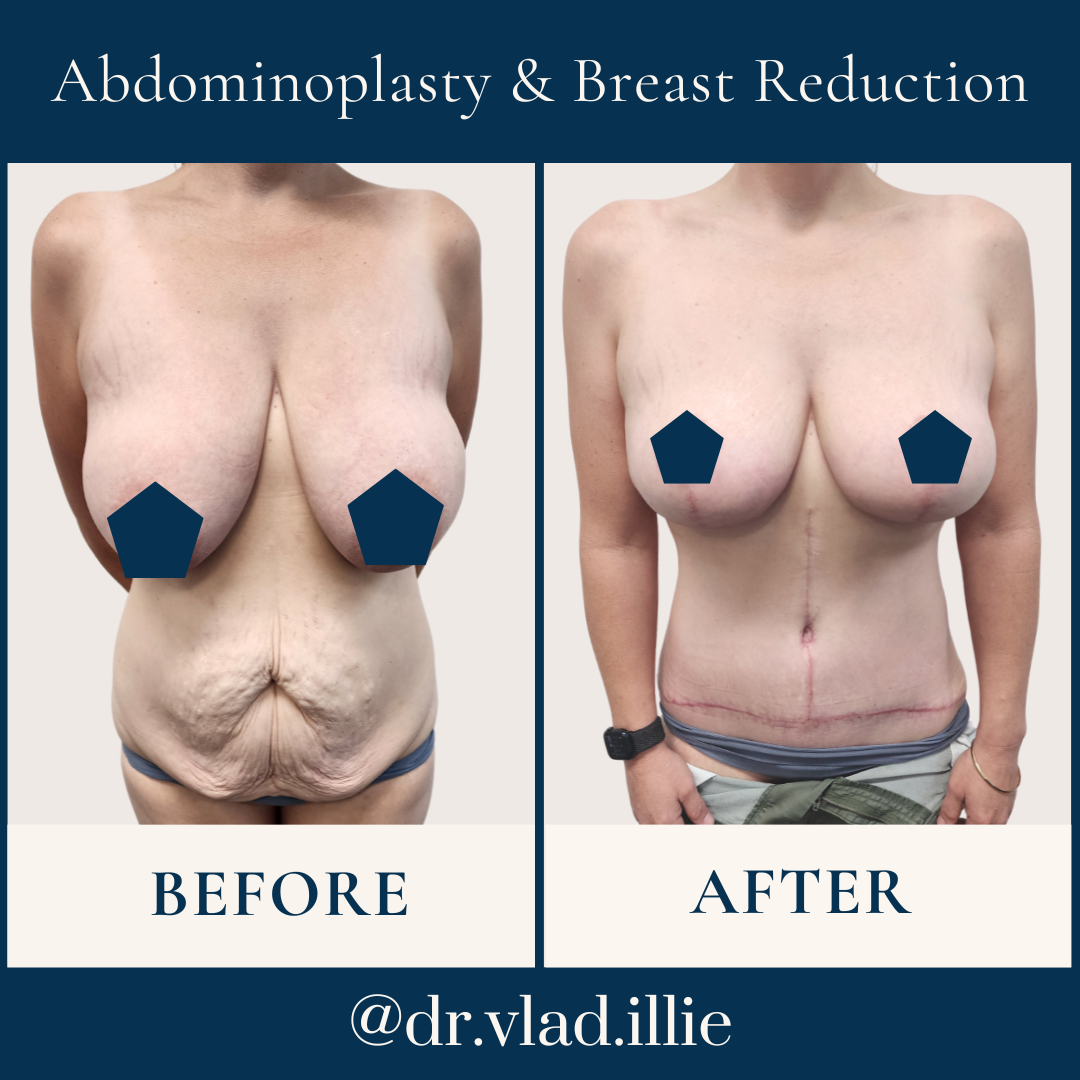
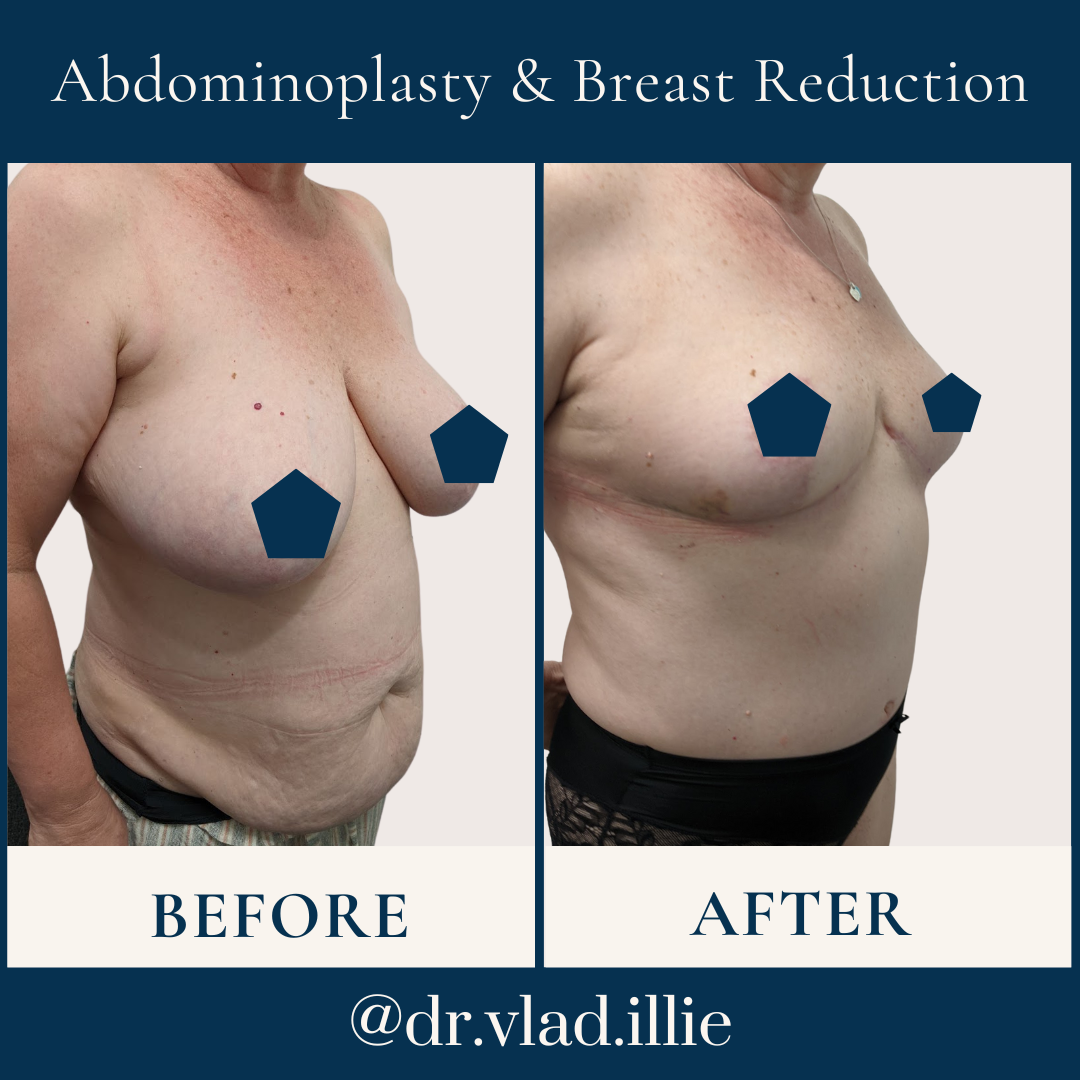
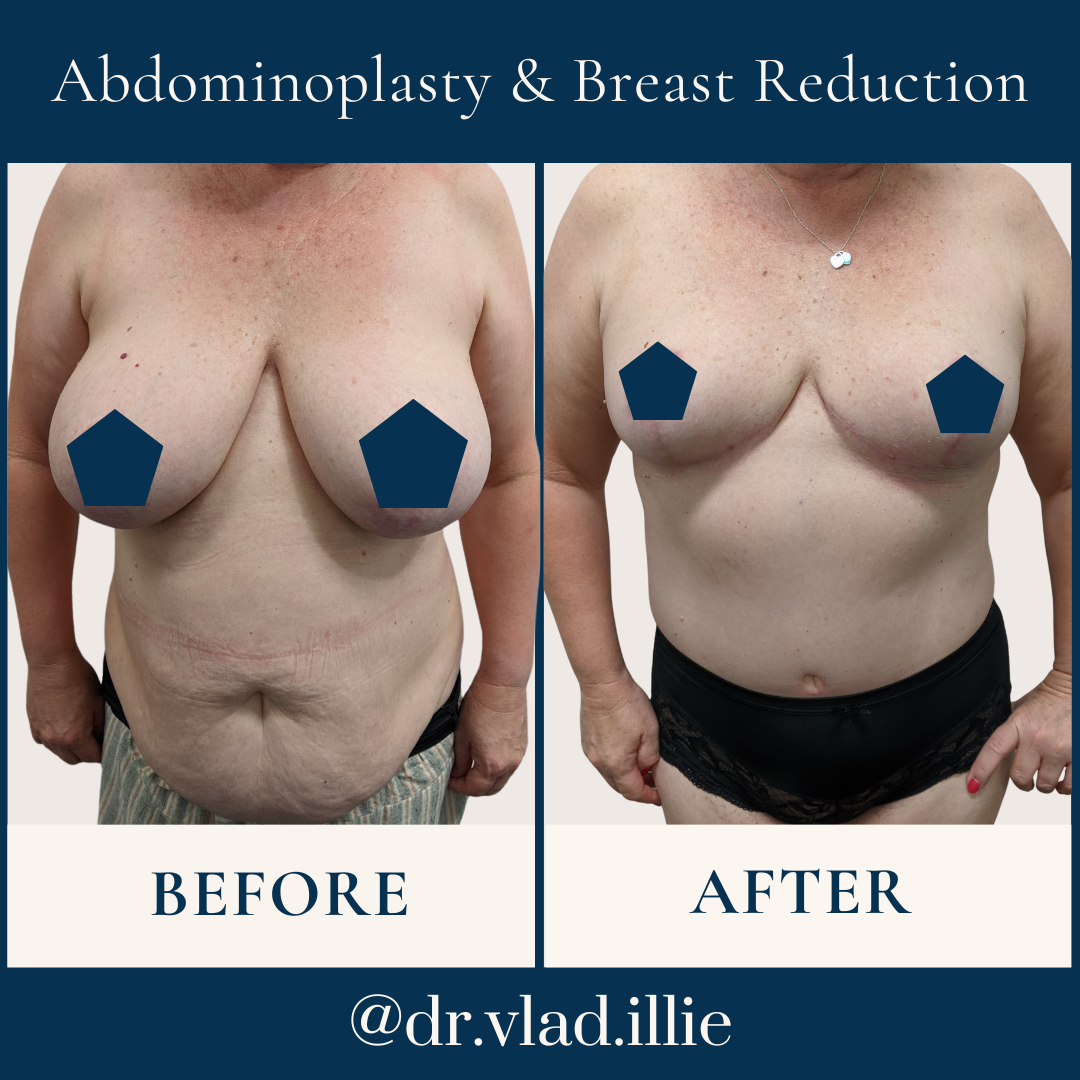
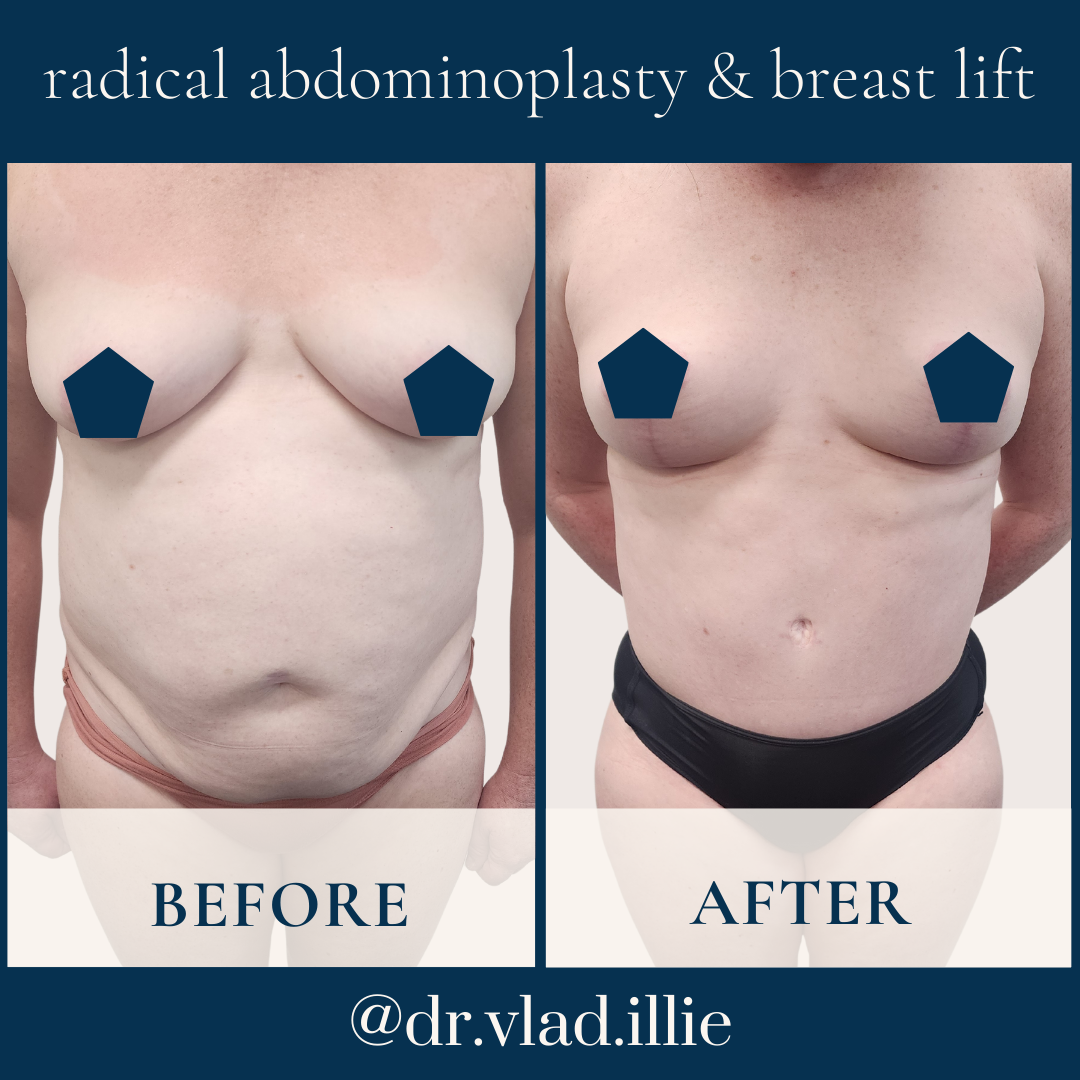

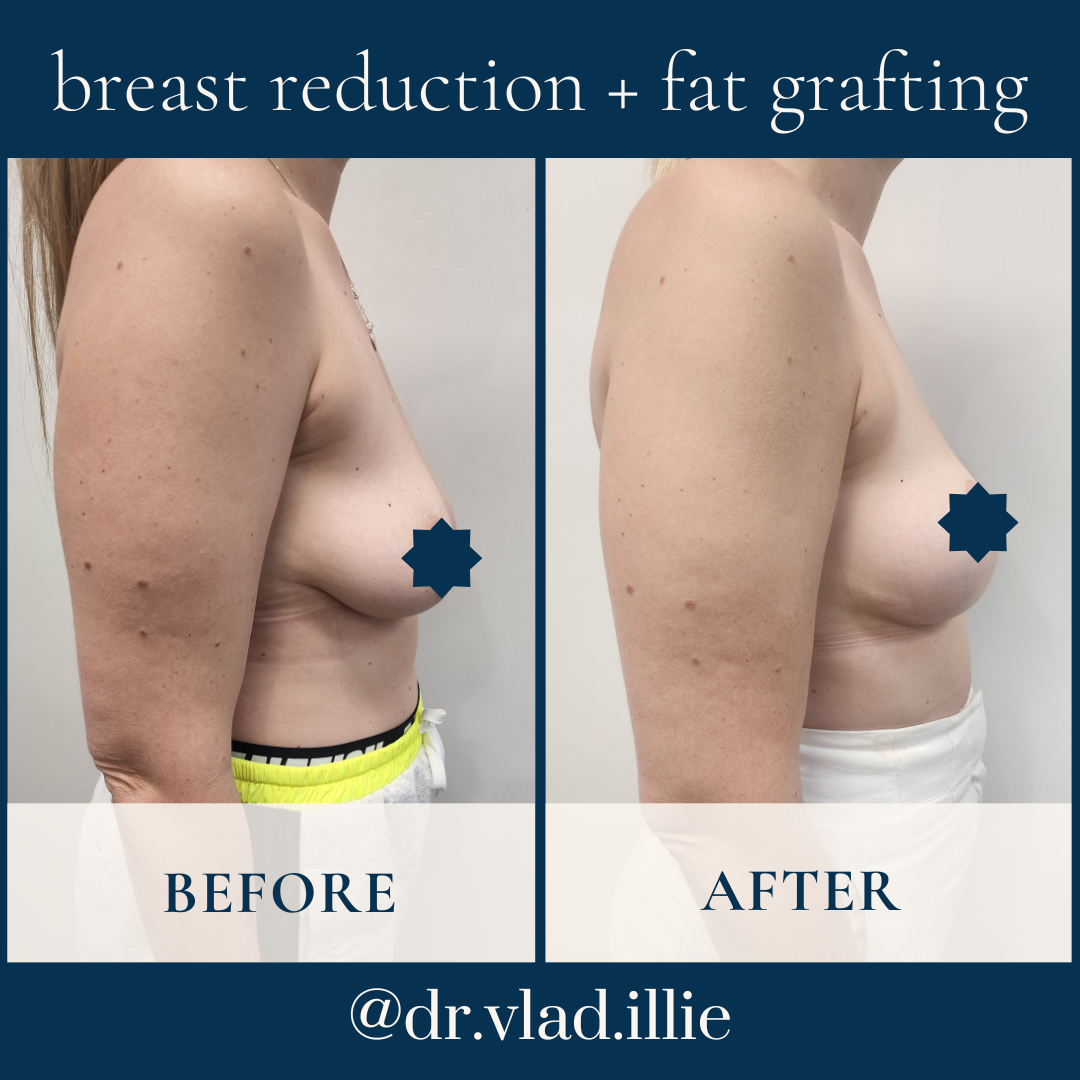
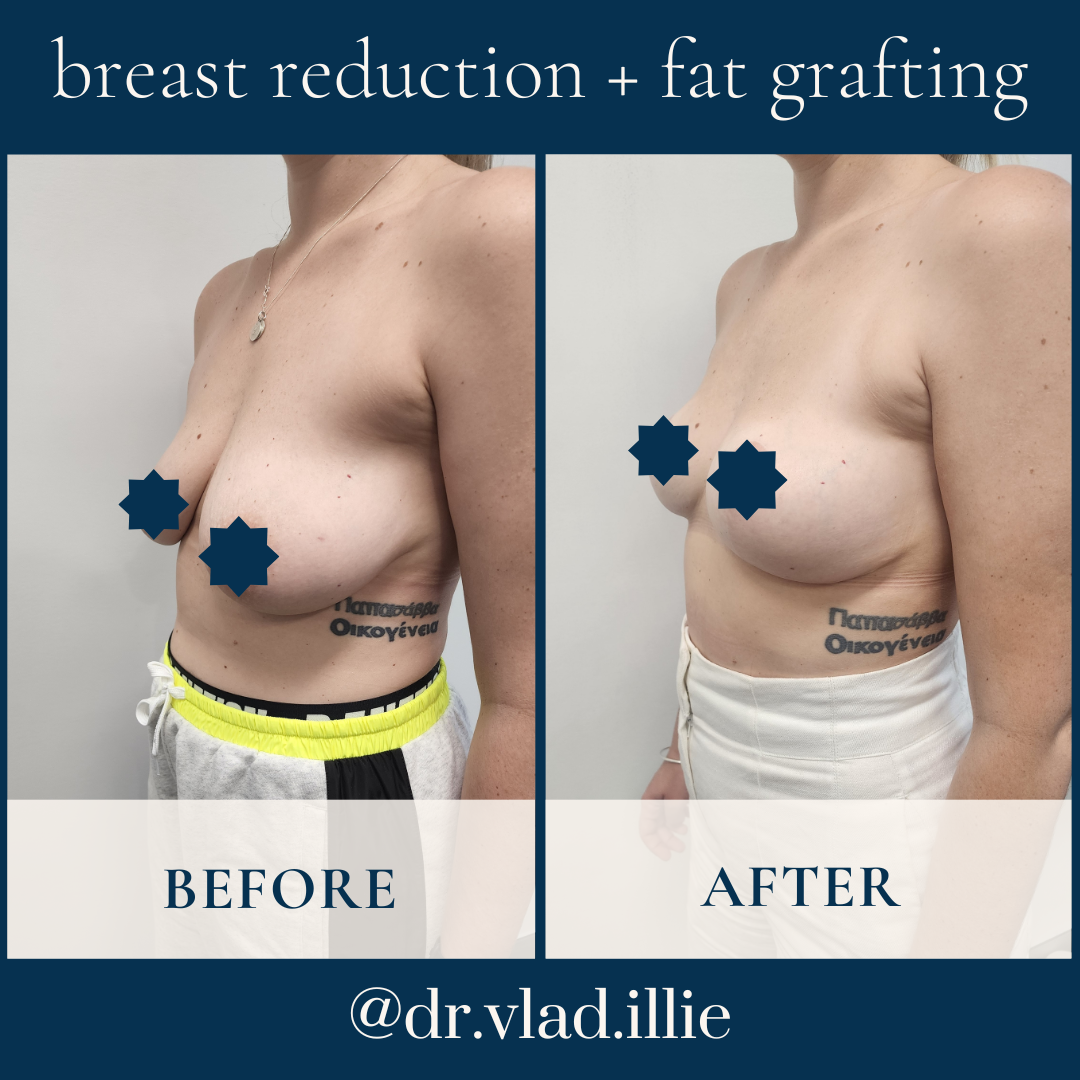
Breast Reduction/Lift with Fat Grafting

Breast Lift + Implants


Specialist Standards and Safety Protocols for Breast Aesthetic Surgery
Dr Vlad ILLIE practises in accordance with the professional standards required of a specialist plastic and reconstructive surgeon registered with the Medical Board of Australia. The information below is provided to support informed decision-making.

Qualifications
Dr ILLIE is a specialist plastic and reconstructive surgeon, and he completed the accredited training pathway in Sydney through the Royal Australasian College of Surgeons (RACS). He is a Fellow of:
- FRACS Royal Australasian College of Surgeons
- ASPS Australian Society of Plastic Surgeons
- ASAPS Australian Society of Aesthetic Plastic Surgeons
Dr ILLIE has undertaken post-fellowship training in aesthetic and reconstructive facial and breast surgery, as well as microsurgery in Oxford (UK) and Stuttgart (Germany).
APHRA Registration
Dr ILLIE is registered as a specialist plastic surgeon with the Australian Health Practitioner Regulation Agency (AHPRA), under the Medical Board of Australia.
Registration number:
MED0000966953
Specialist registration with AHPRA means Dr ILLIE has completed an approved specialist training programme and is qualified to hold himself out as a specialist plastic surgeon.
Assessment and Consultation Process
Every patient considering a surgical procedure undergoes two comprehensive clinical consultations with Dr ILLIE prior to any decision being made. This consultation is designed to:
- Review the patient’s medical history, current health status, and medications
- Assess anatomical considerations relevant to the procedure under discussion
- Discuss the patient’s goals and whether they are clinically realistic and appropriate
- Identify any factors that may influence suitability, risk, or likely outcome
- Provide detailed information about the procedure, anaesthesia, recovery, and potential complications
- Allow adequate time for questions from the patient
A wellbeing and psychological assessment is also done before the decision to proceed with surgery.
Mental Health Support
In addition to physical assessment, Dr ILLIE’s consultation process includes consideration of each patient’s psychological readiness for elective surgical intervention. This forms a routine component of the clinical assessment for all aesthetic procedures and also includes the mandatory screening regulated by AHPRA.
Where there are concerns about a patient’s psychological state, motivation, or expectations, Dr Illie may recommend a period of further reflection, provide further support and clarity to the patient, decline to proceed or refer the patient to an appropriate mental health professional before any surgical decision is made. This process is undertaken in the patient’s best interests and does not reflect the patient’s suitability as a person.
Informed Consent
Informed consent is a legal and ethical requirement for all surgical procedures. Dr ILLIE’S consent process involves providing each patient with:
- A clear explanation of what the procedure involves
- The known risks, potential complications, and likelihood of each
- Realistic information about expected recovery and healing timelines
- A discussion of alternative options, including non-surgical approaches where relevant
- Time to review written material before signing any consent documentation
Consent is obtained during consultation, prior to surgery — not on the day of the procedure. Patients are encouraged to bring a support person and to raise any questions that arise after the initial consultation.
Individualised Medical Advice
No information on this website — including before-and-after photographs — constitutes medical advice. The images in this gallery document individual cases and are provided as a general reference only. They do not represent typical, average, or expected outcomes for any prospective patient.
Decisions regarding surgical intervention should only be made following a face-to-face clinical consultation in which Dr ILLIE can review your specific circumstances. The advice provided in your consultation is personal to you and cannot be inferred from information published online or from other patients’ experiences.
All surgical procedures carry inherent risks. A full discussion of risks and complications is available at Risks & Complications.
Frequently Asked Questions
What is Dr ILLIE's approach to breast reduction surgery, and how does he plan the procedure?
Dr Vlad ILLIE approaches breast reduction surgery as a procedure that must be planned individually for each patient. No two patients present with the same combination of breast size, shape, skin quality, degree of ptosis, nipple-areola position, chest wall anatomy, and presenting symptoms — and the surgical technique used reflects all of these factors. During the consultation, Dr ILLIE conducts a thorough anatomical assessment: he evaluates the degree of breast hypertrophy, the character of the skin envelope, the position of the nipple-areola complex, and the extent of any inframammary fold descent. He also assesses the patient’s chest wall and general body proportions to understand what a proportionate result might look like for that individual patient.
Dr ILLIE selects the technique for each reduction based on this assessment. For many patients, a standard inferior or superomedial pedicle technique with a Wise pattern or vertical scar approach is appropriate. For patients with very significant hypertrophy or where nipple-areola complex relocation over a substantial distance is required, a free nipple graft technique may be considered. These are not decisions made by formula — they are clinical judgements made after examining each patient’s specific anatomy and weighing the priorities of blood supply to the nipple, scar pattern, and long-term shape.
During the consultation, Dr ILLIE explains the technique he would recommend, where the scars would be placed and why, and what the recovery period involves. He discusses the likely degree of volume change in practical terms — not in cup sizes, which are not a standardised measurement, but in grams of tissue removed and what a proportionate result looks like for each patient’s body. He is honest about what reduction can and cannot achieve and takes time to answer questions at each patient’s own pace.
How does Dr ILLIE approach breast lift (mastopexy) surgery, and what determines which technique he uses?
Breast lift surgery — mastopexy — addresses ptosis (drooping) of the breast by repositioning the breast tissue and nipple-areola complex to a higher, more youthful position on the chest wall, and reshaping the breast envelope to improve contour. Dr ILLIE uses the degree of ptosis, the skin quality, the breast volume, and the position of the nipple-areola complex relative to the inframammary fold to determine which technique is most appropriate for each patient.
Ptosis is graded clinically. Grade 1 ptosis — where the nipple sits at or near the inframammary fold — may be addressed with a periareolar (donut or Benelli) lift, which produces a scar around the areola only. Grade 2 and Grade 3 ptosis typically require a vertical or inverted-T (anchor) pattern approach, which produces scars around the areola, vertically below it, and in some cases along the inframammary fold. Dr ILLIE selects the technique that provides adequate correction for the degree of ptosis present while keeping scar extent proportionate to what the patient’s anatomy actually requires. He does not default to the most extensive scar pattern for all patients — the technique is matched to the anatomy.
A specific aspect of mastopexy planning that Dr ILLIE discusses candidly with patients is the tendency of breast lift results to relax over time, particularly in patients with heavy breast tissue or poor skin elasticity. Gravity acts on breast tissue continuously, and a mastopexy does not stop this process. Understanding this — and understanding what factors may accelerate or slow it — is part of the information Dr ILLIE provides during the consultation, so that patients can make decisions with realistic long-term expectations.
Does a breast reduction automatically include a breast lift?
- Breast Reduction: Involves removing excess breast tissue and skin to make the breasts smaller and lighter. This provides significant functional relief (such as alleviating neck and back pain) while also inherently lifting the breasts.
- Breast Lift: Elevates sagging, droopy breasts to a more youthful position without removing significant amounts of underlying tissue. The overall bra cup size generally remains the same.
What is breast fat transfer, and how does Dr ILLIE use it in breast surgery?
Breast fat transfer — autologous fat grafting to the breast — involves harvesting the patient’s own fat from a donor site (such as the abdomen, flanks, or inner thigh) using liposuction, processing it to remove blood and fluid, and transferring it into the breast tissue in carefully placed small deposits. Dr ILLIE uses this technique in two main clinical contexts: as a complement to a breast lift when modest volume restoration is desired alongside repositioning, and as a standalone procedure for patients seeking a natural, implant-free volume change of a modest degree.
Dr ILLIE’S training in microsurgery and his experience with free tissue transfer inform his approach to fat grafting: meticulous handling of the harvested fat to preserve graft viability, and precise placement in multiple small tunnels to maximise surface area contact with the recipient tissue and improve graft take. The fat is placed in the subcutaneous tissue and glandular tissue of the breast in a distribution that aims to produce a smooth, natural contour.
He is transparent with patients about the biology of fat grafting: a proportion of the transferred fat will be reabsorbed over the weeks following surgery, and the final retained volume is established over several months. The proportion of fat that is retained — commonly estimated between 40 and 70 percent, though this varies individually — cannot be precisely predicted in advance. Patients who understand this biological variability are better positioned to have realistic expectations. Fat grafting does not replicate the volume change achievable with implants, and Dr ILLIE advises patients accordingly when their goals are more appropriately addressed by a different approach.
How does Dr ILLIE assess patients for breast augmentation, and what does the consultation involve?
Breast augmentation — the surgical placement of implants to increase breast volume and improve breast contour — requires careful anatomical assessment before the appropriate implant type, size, profile, and pocket plane can be selected. Dr ILLIE approaches this assessment by examining the patient’s chest wall anatomy (including chest width and any asymmetry), skin thickness, breast base width, the degree of natural breast tissue present, the position of the inframammary fold, and the degree of any ptosis. All of these anatomical features influence which implant parameters will produce the most anatomically appropriate result for each patient.
Implant selection is not done by patient choice of a size number alone. Dr ILLIE uses his anatomical assessment alongside the patient’s stated goals to recommend implant parameters — width, projection, volume, and surface type — that are appropriate for the patient’s specific chest and breast anatomy. He is direct with patients when a requested size falls outside what is anatomically appropriate for their dimensions, because implants that are too large for a patient’s anatomy create long-term problems including increased rates of complications, accelerated soft tissue thinning, and poorer long-term aesthetics.
Dr ILLIE also discusses the placement plane — whether the implant is placed beneath the breast gland (subglandular), beneath the pectoral muscle (submuscular/subpectoral), or in a dual-plane position — and explains the clinical rationale for his recommendation. For patients with very little native breast tissue, submuscular or dual-plane placement often provides better soft tissue coverage and a more natural appearance. The consultation includes a thorough discussion of the long-term considerations of implants, including the fact that implants are not lifetime devices and that revision surgery may be required in the future.
Why do breast surgery results vary so much between patients?
Breast surgery operates on tissue that differs substantially between individuals in ways that directly affect what can be achieved and what the result looks like over time. The ratio of glandular tissue to fat within the breast varies enormously — a breast of the same apparent size in two patients may have very different tissue compositions, and this affects how the breast feels, how it responds to surgery, and how it behaves over time. The quality and elasticity of the skin envelope determines how well it conforms to the new shape after tissue removal or repositioning. The position of the nipple-areola complex relative to the breast mound and the inframammary fold determines what degree of repositioning is required and what incision pattern is appropriate.
Healing biology adds a further significant source of variability, and nowhere is this more visible than in scar appearance. Scar formation after breast surgery is governed primarily by individual genetics — some patients form fine, pale scars that fade well; others develop thicker, more pigmented, or broader scars regardless of surgical technique or post-operative care. Scar maturation takes 12 to 18 months, and the appearance of scars at six weeks bears little resemblance to their appearance at one year. Photographs taken early in the recovery period therefore cannot be used to judge scar quality.
Smoking history, weight stability, prior pregnancy and breastfeeding, and a history of radiation to the chest are all additional factors that influence both the behaviour of breast tissue during surgery and the quality of healing afterwards. Dr ILLIE assesses all of these during the consultation and provides advice specific to each patient’s clinical picture.
Can I tell from the photos what my own result might look like?
No — and Dr ILLIE addresses this directly when patients raise this topic during consultations. The photographs in this gallery document individual patients under their specific anatomical and biological conditions. The result visible in any given photograph is the product of the interaction between a specific technique and that patient’s specific tissue — it cannot be transposed to another patient, even one who appears to have a similar starting point.
Breast anatomy is highly individual. Two patients who look similar in a pre-operative photograph may have very different breast tissue composition, skin quality, chest wall dimensions, and healing biology — and all of these factors influence the result. Dr ILLIE is careful to discuss this with each patient: the photographs in this gallery are factual records, not a menu of available outcomes.
What the gallery can usefully convey is the range of procedures Dr ILLIE performs, the variety of presentations he addresses, and the general character of his work. If you are trying to understand what may or may not be achievable in your own case, that assessment can only be made during a direct clinical consultation where Dr ILLIE can examine your anatomy, review your history, and give advice that is specific to you.
How does Dr ILLIE'S consultation and consent process work for breast surgery?
Dr ILLIE’S consultation process begins with a conversation about what the patient is concerned about and what has brought them to consider surgery. He listens carefully before conducting his own clinical examination, because understanding the patient’s perspective accurately is as important as the anatomical assessment itself. From there, he explains what he observes, what options he considers appropriate based on the anatomy, and what each option involves in practical terms — including the recovery, the scar, and the realistic range of what can be achieved.
His approach reflects the principle he has described publicly: personalised care for safe and long-lasting natural results. This is not a marketing phrase for Dr ILLIE — it reflects how he plans and discusses surgery. He does not apply a formula to breast surgery; he tailors the approach to each patient’s anatomy and goals, and he explains his reasoning. He is direct when a patient’s goals are not well-aligned with what their anatomy allows, and he considers this candour part of his duty to the patient.
Informed consent is obtained at a separate appointment, not on the day of surgery. Dr ILLIE provides patients with written information about the proposed procedure, risks, recovery, and alternatives, and he allocates time at the consent appointment for the patient to raise any questions that have arisen since the initial consultation. Patients are encouraged to take additional reflection time if needed, and a second consultation is always available. Surgery is never scheduled under pressure or as a rushed decision — Dr ILLIE’S practice is built on patients who feel genuinely informed and genuinely ready.
Are the photos edited or filtered?
No. The photographs in this gallery are unretouched medical photographs. They have not been digitally altered, filtered, or enhanced. The ethical standards of a specialist medical practice require that medical photographs used for patient education accurately represent the patient’s appearance — altering images to modify the apparent result would be misleading and inconsistent with the obligations of a registered medical practitioner. Dr ILLIE’S practice does not do this.
Differences in lighting conditions, colour temperature, and camera positioning between pre- and post-operative photographs may occasionally create minor visual variations unrelated to any surgical change. These are limitations of photographic standardisation rather than deliberate alterations, and any such differences should be read in that context.
What should I bring to a consultation with Dr ILLIE about breast surgery?
Coming to a consultation prepared allows Dr ILLIE to conduct the most thorough and useful assessment possible. From a health perspective, bring a list of all current medications — prescription, over-the-counter, vitamins, and supplements — as many affect bleeding, healing, and anaesthetic safety. Any significant medical history, including prior breast procedures (biopsy, aspiration, previous surgery), breast screening results (mammograms, ultrasounds, MRI), and a history of any breast conditions, is directly relevant to disclose. If you are of appropriate age for breast screening, having your most recent imaging results available is useful.
A history of pregnancy, breastfeeding, and significant weight change is relevant to the assessment of breast tissue and skin quality and is worth describing even if it feels like background rather than medical information. Smoking history is also relevant — Dr ILLIE assesses this as part of every breast surgery consultation because smoking significantly increases complication risk in procedures involving skin flaps and wound healing.
From a personal perspective, arriving with a clear account of what specifically concerns you about your breasts — and the context in which those concerns have developed — is more useful than arriving with a specific size or image in mind. Dr ILLIE’S role is to assess your anatomy and advise on what is appropriate; the more clearly you can describe your concerns in your own words, the more useful the conversation will be. Questions about technique, scarring, recovery, timing, and anything else relevant to your decision are encouraged. A first consultation is an information and assessment appointment — it carries no obligation to proceed with surgery.