
Body Aesthetic Procedures
Before & After Gallery
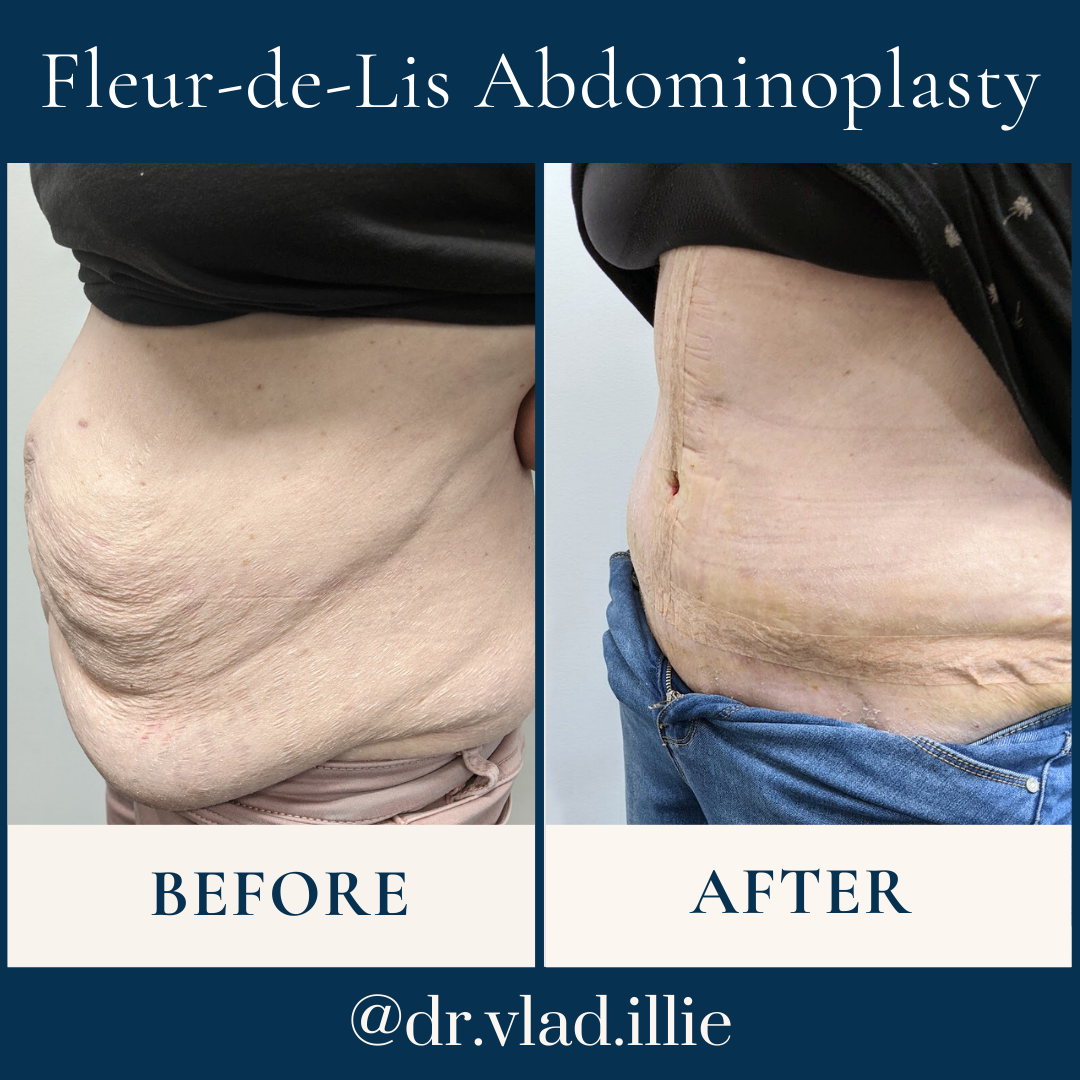
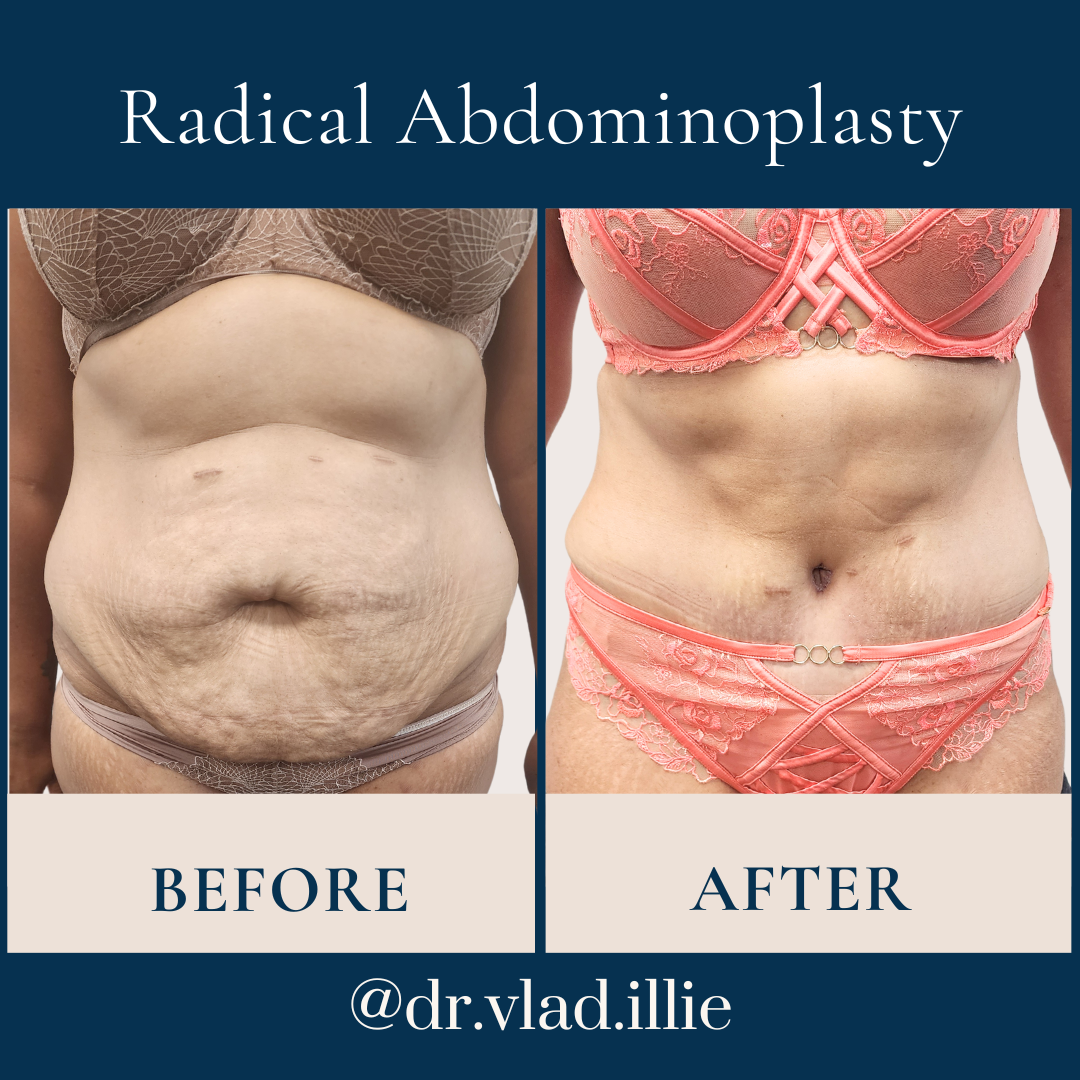
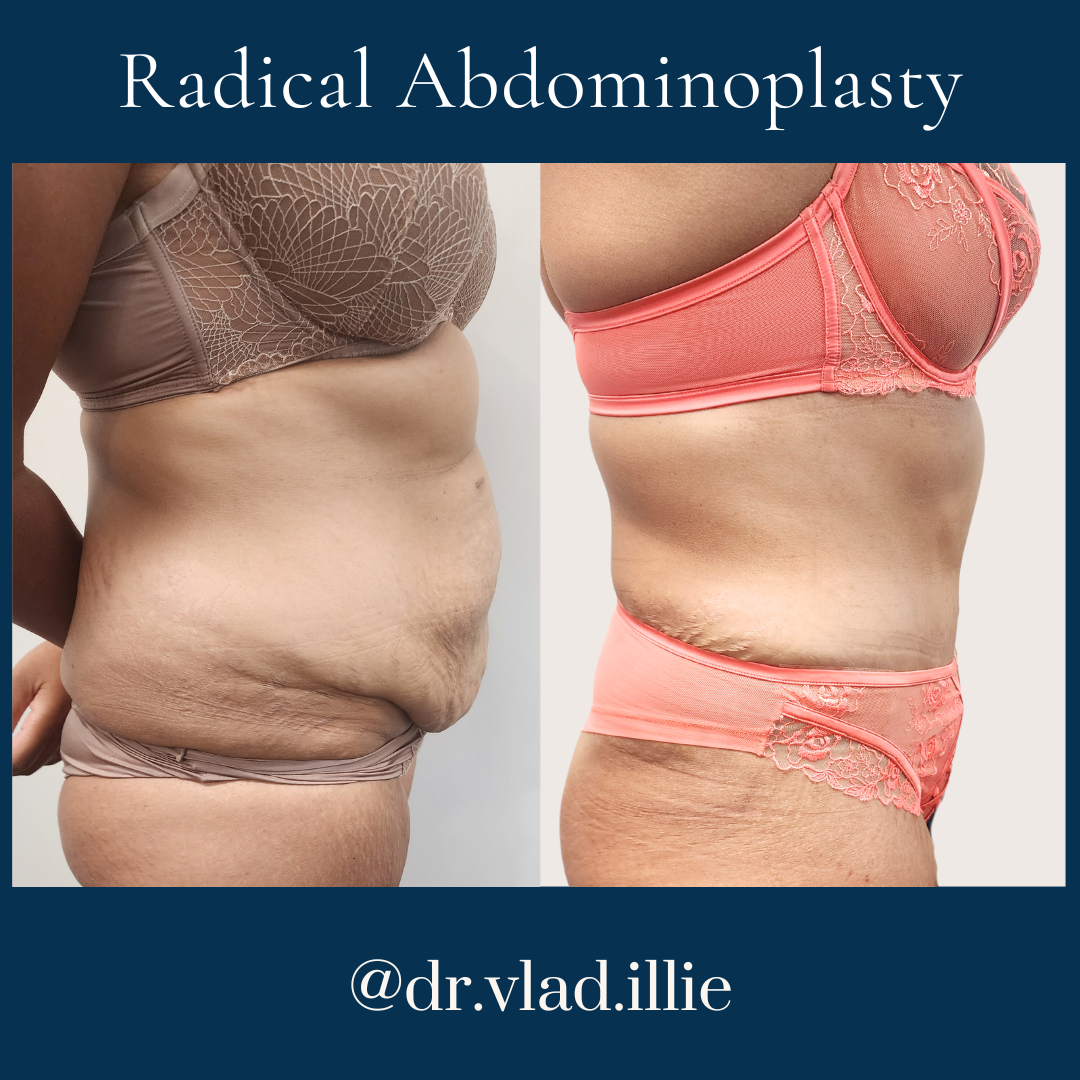
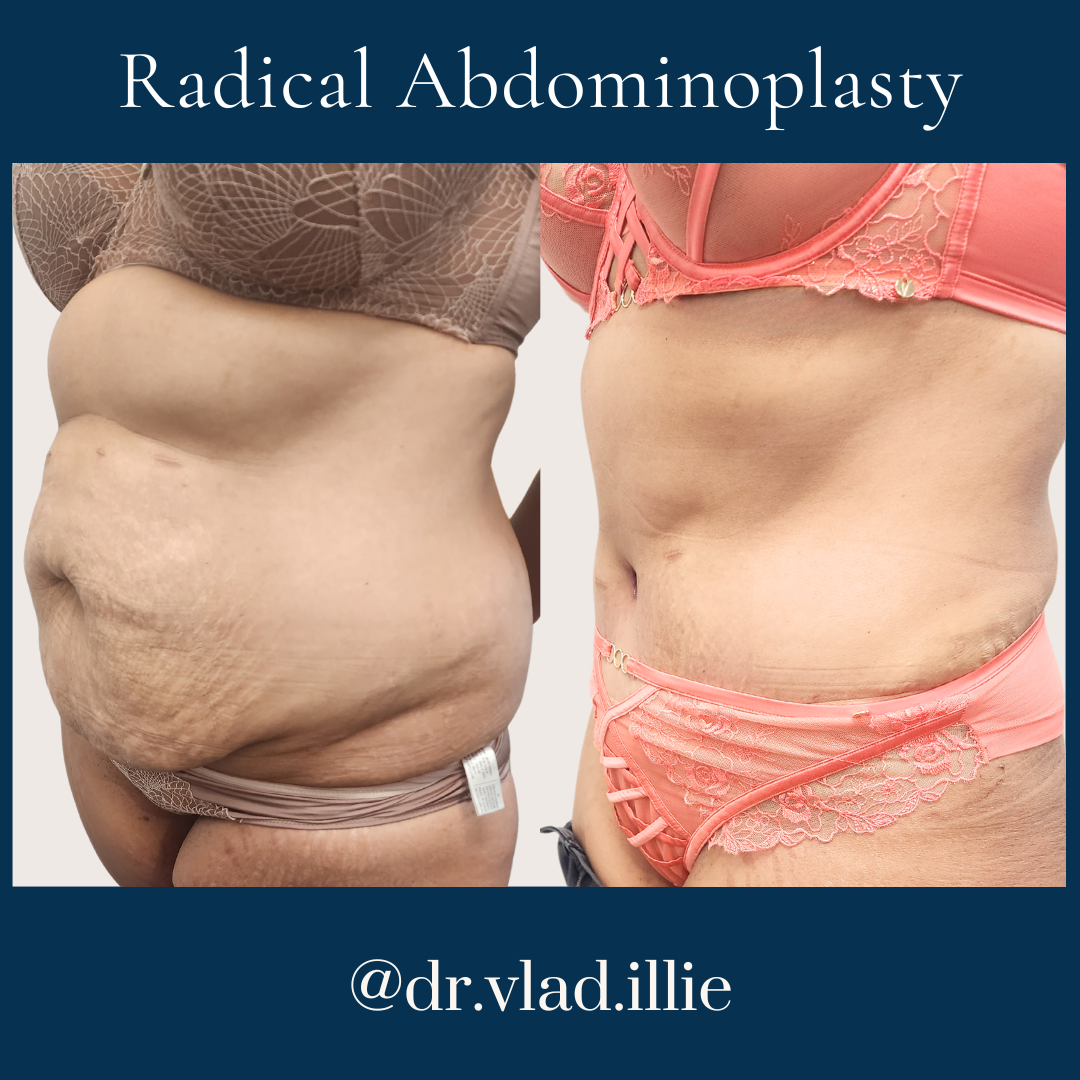
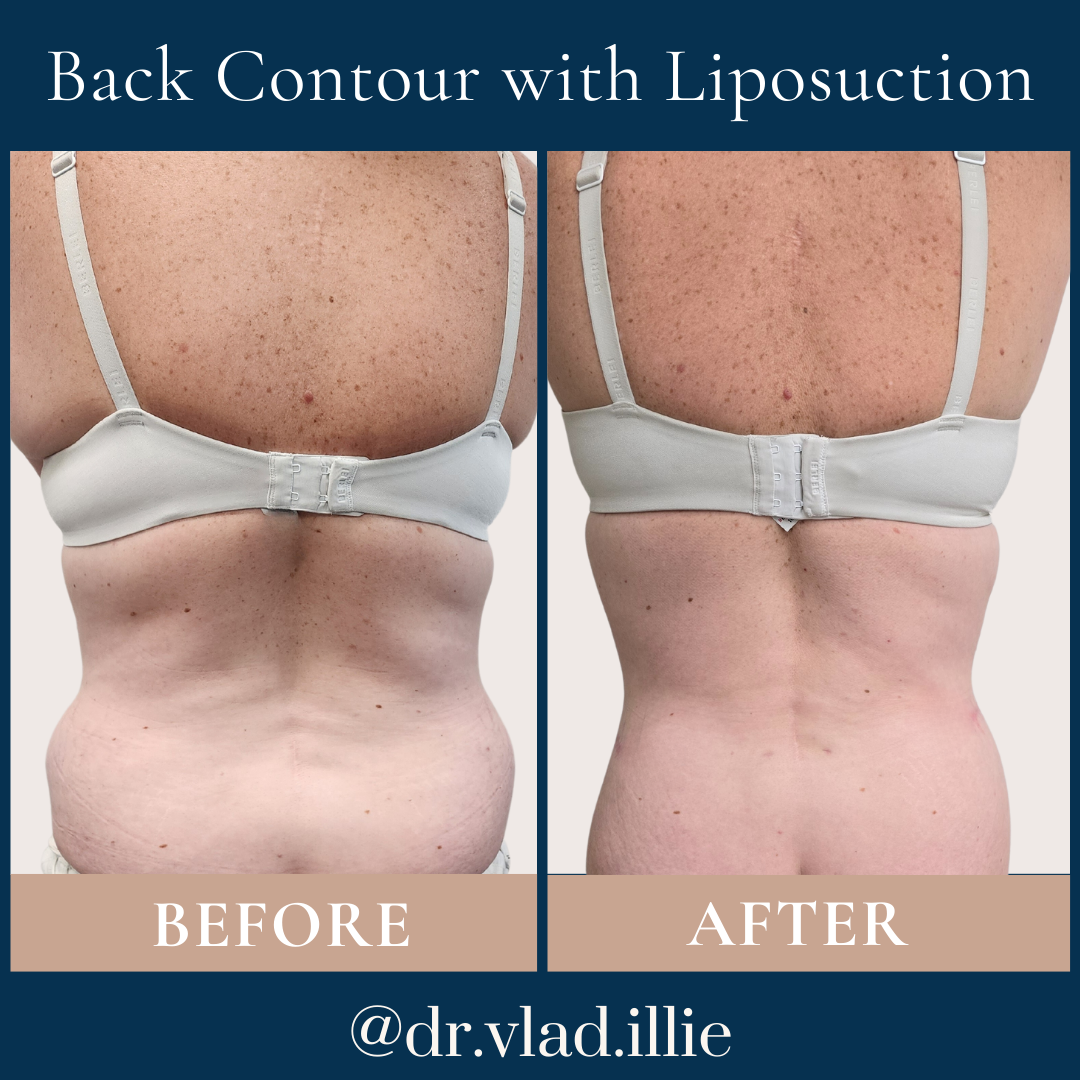
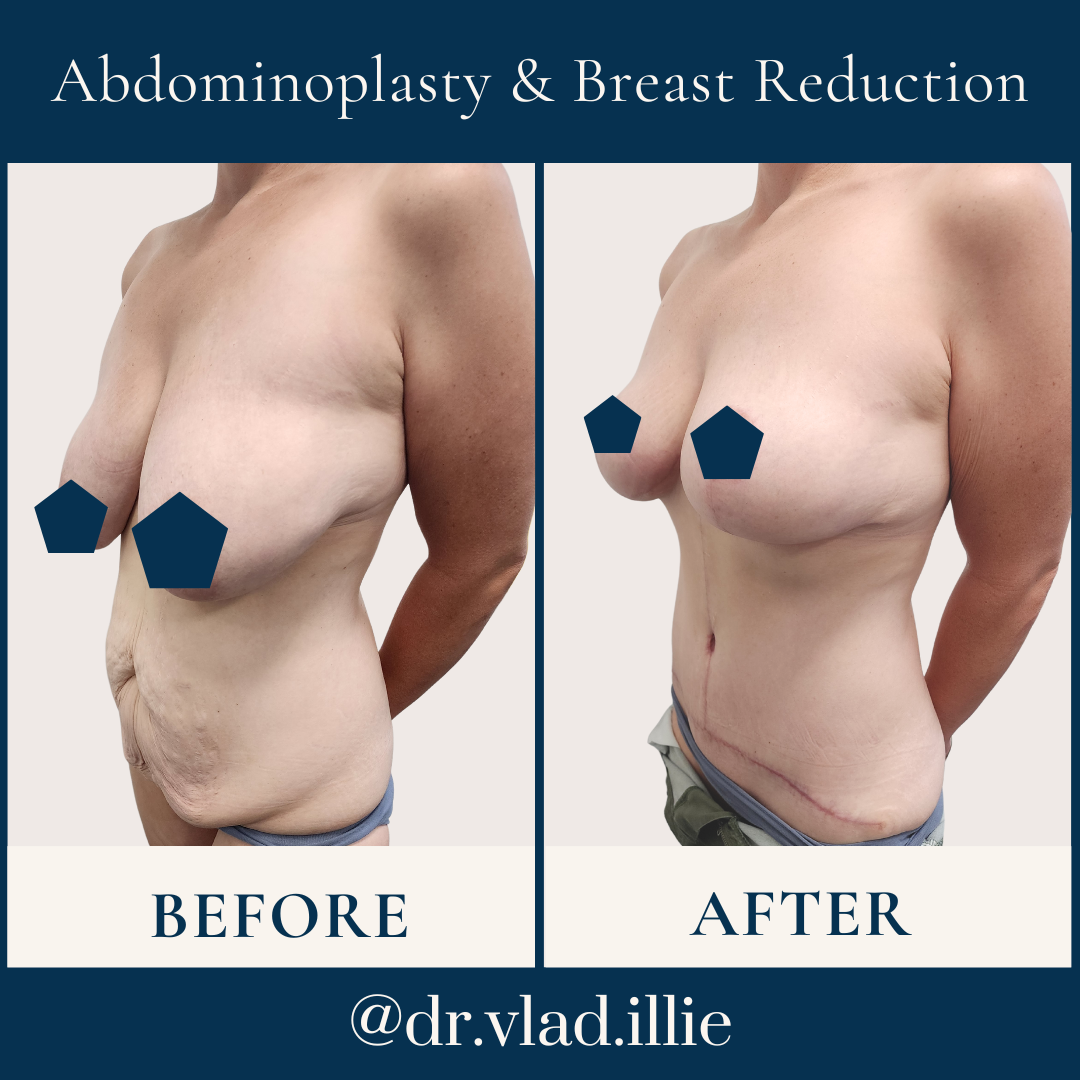
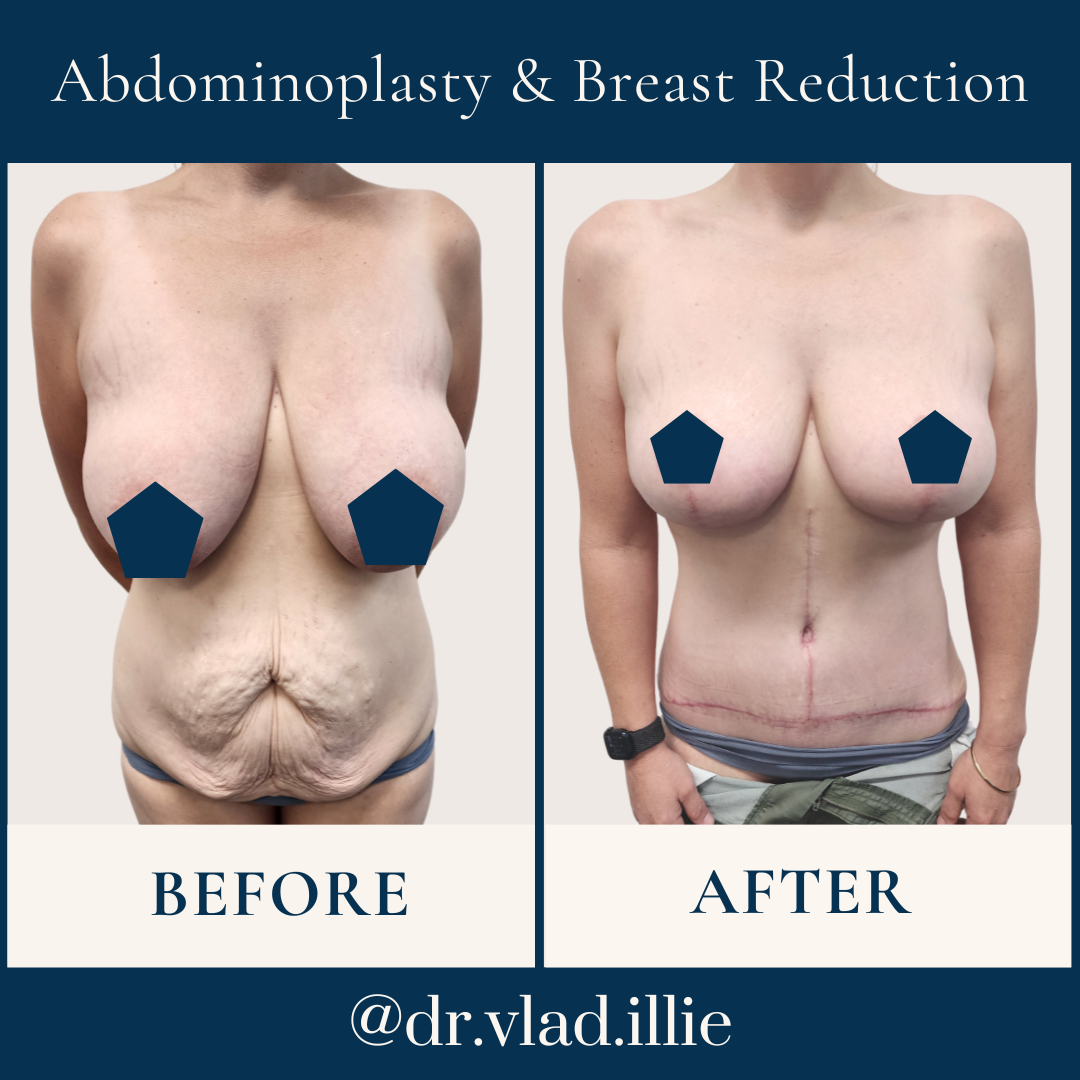
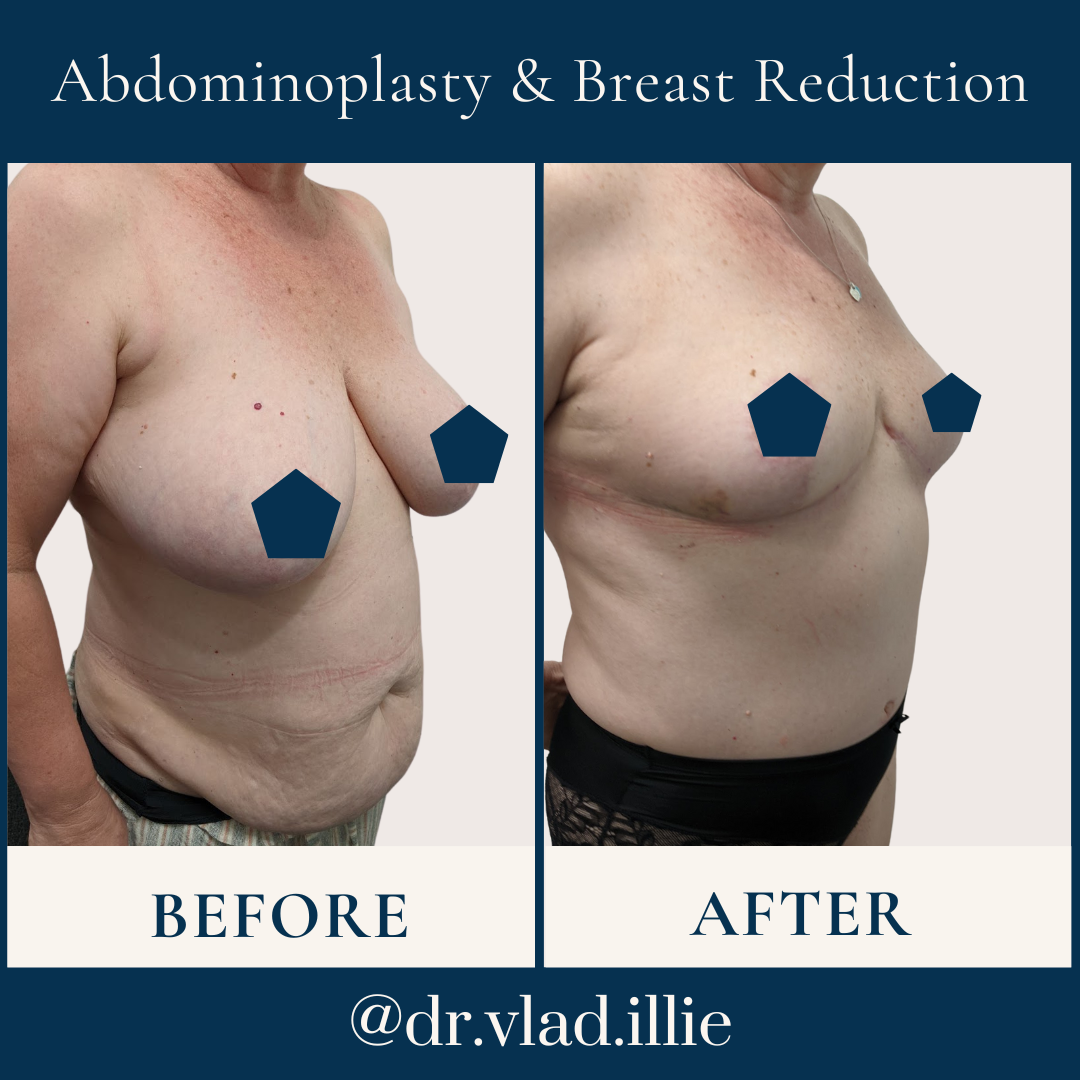
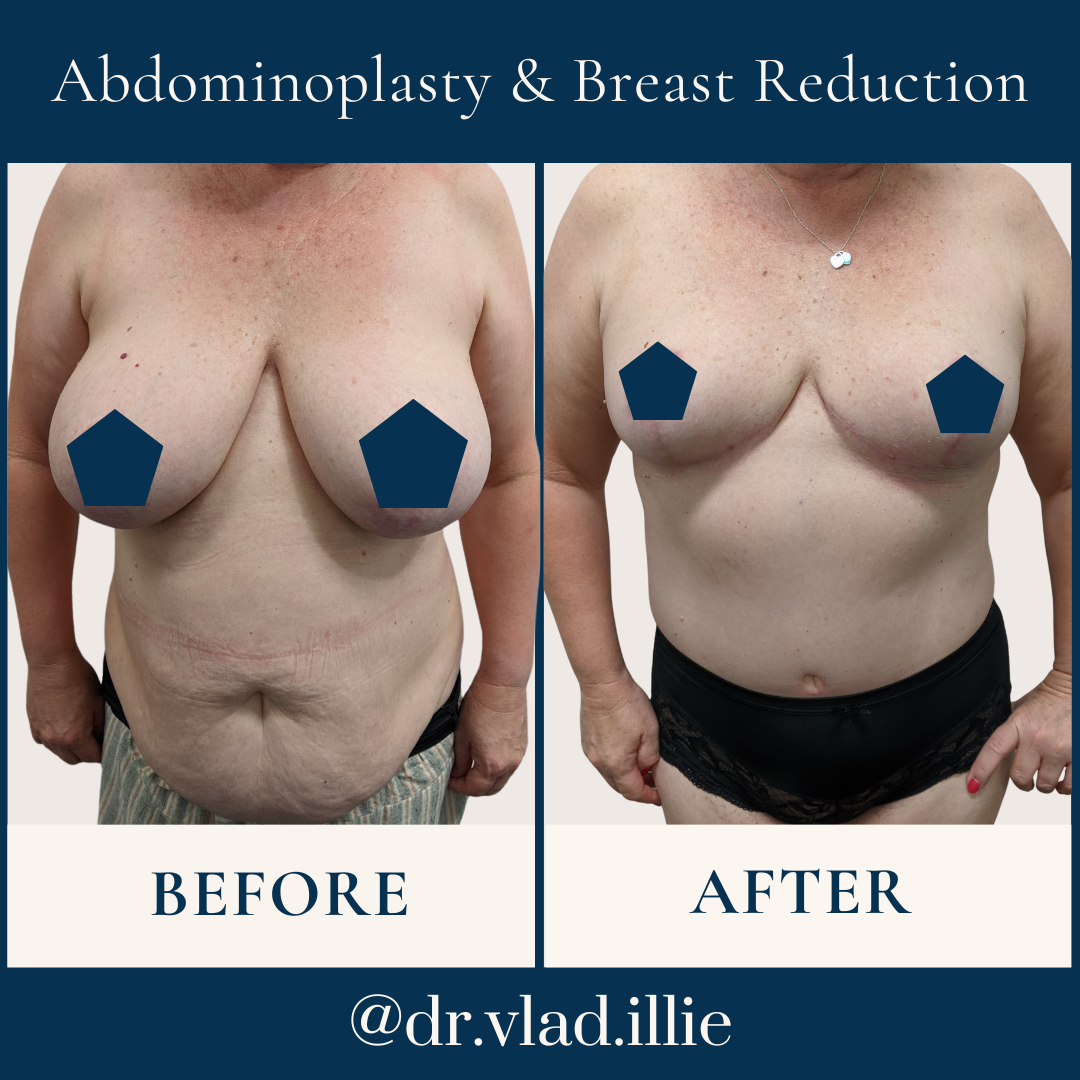
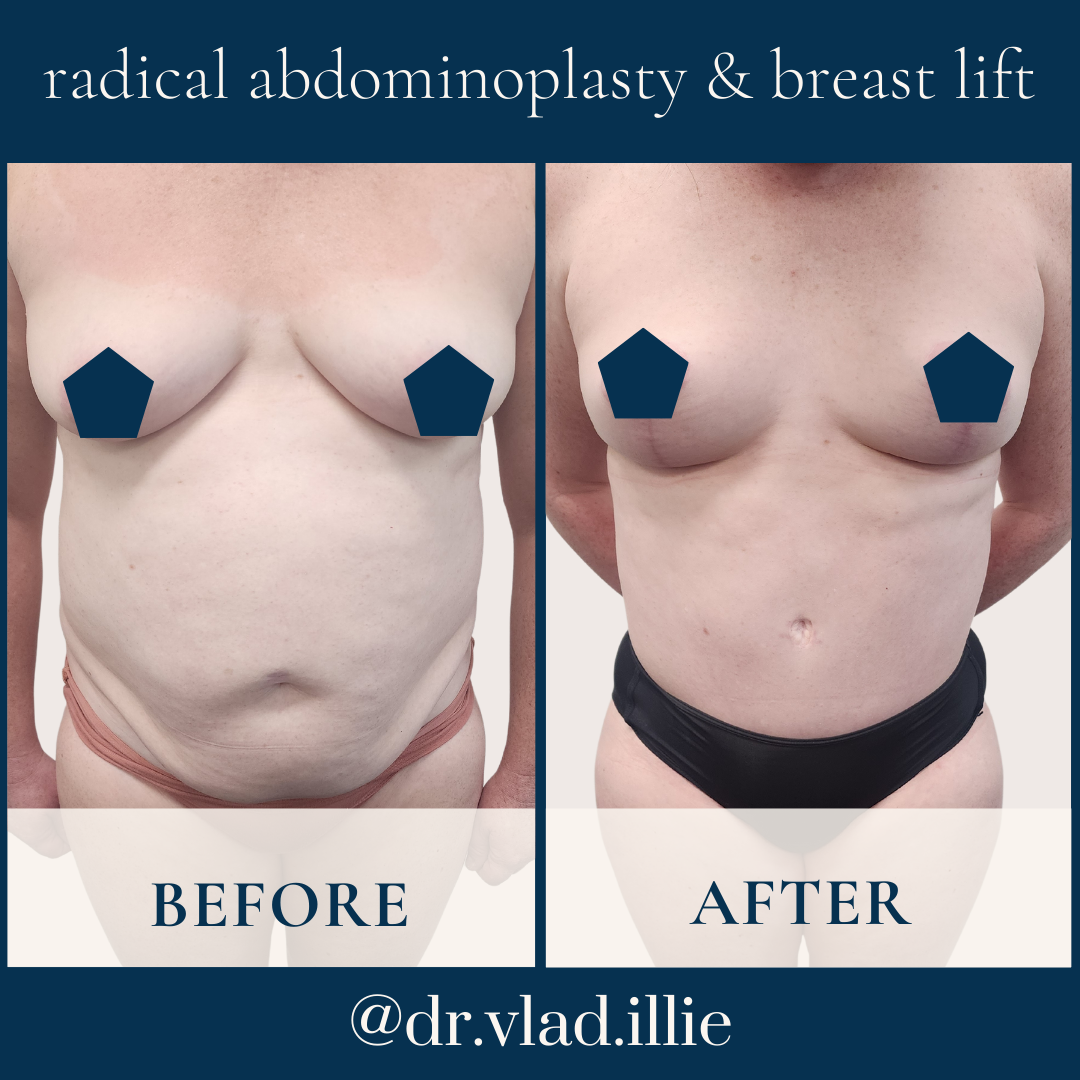
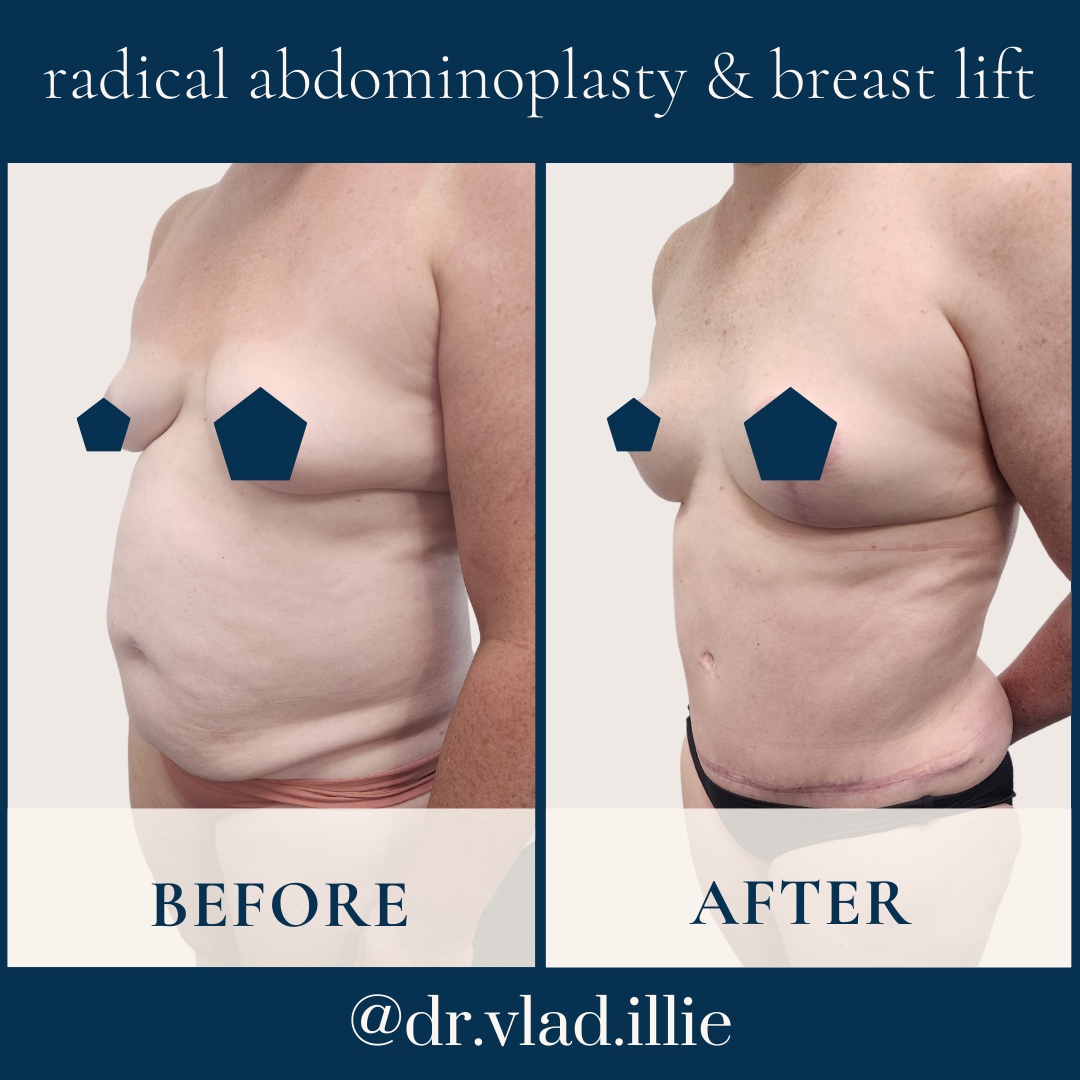
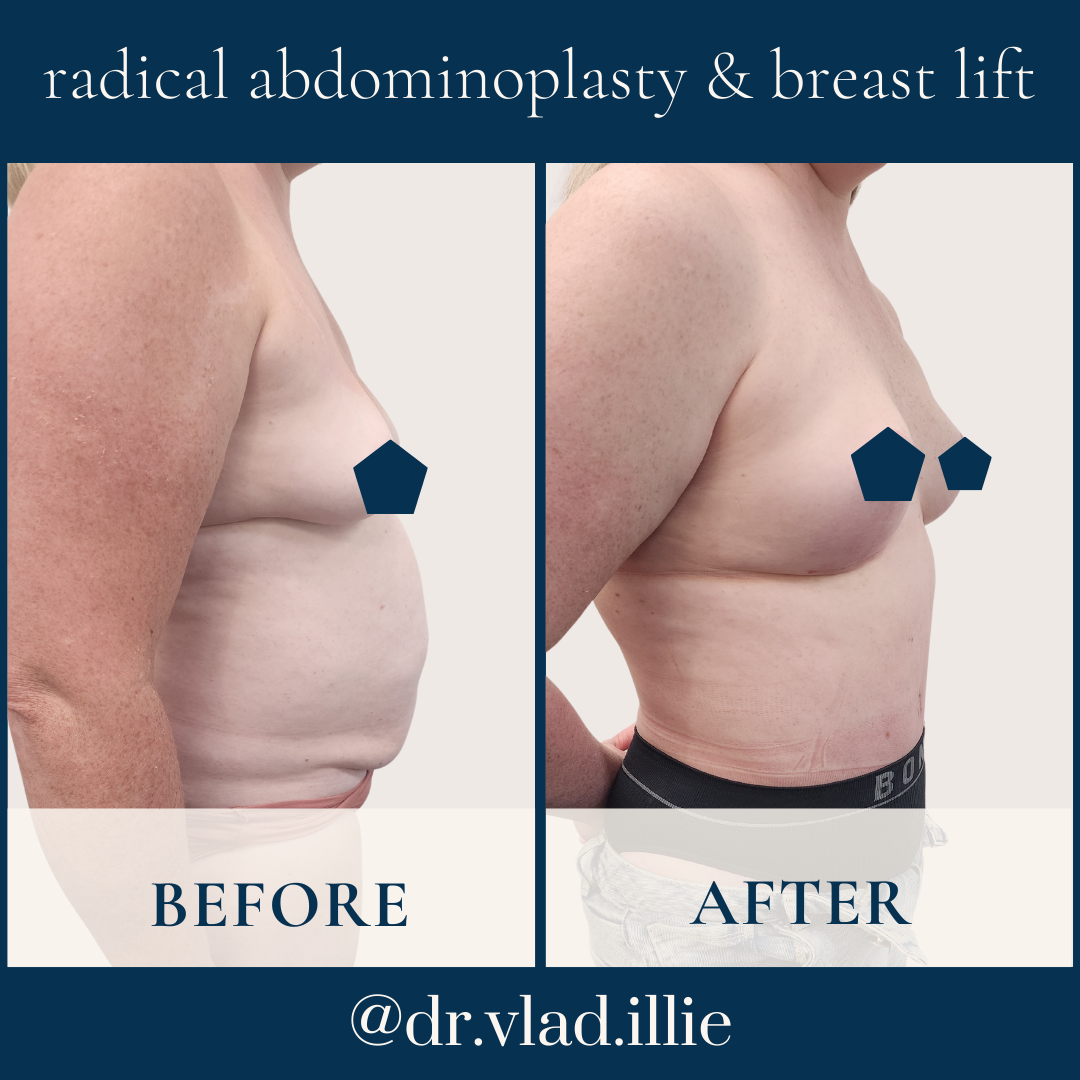
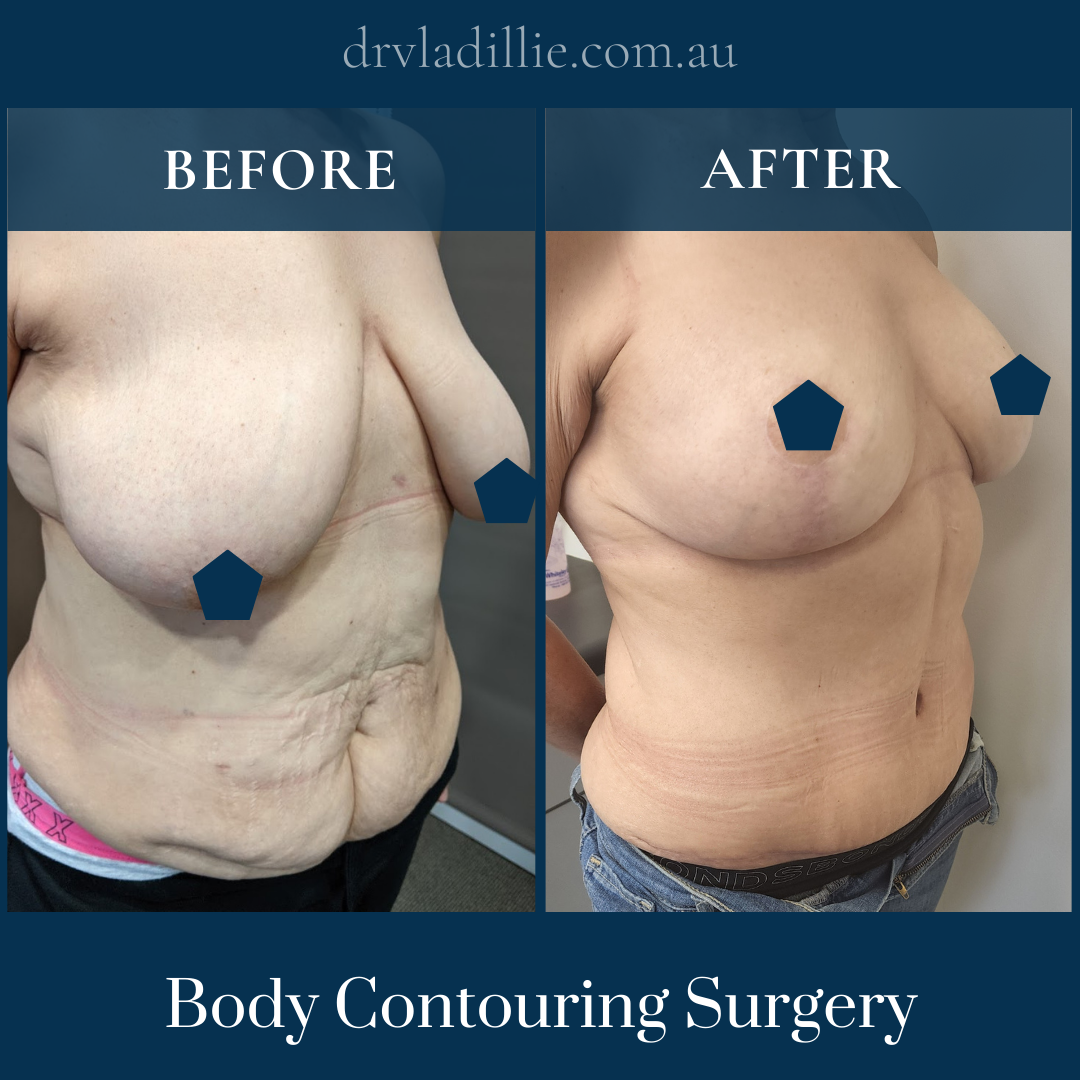
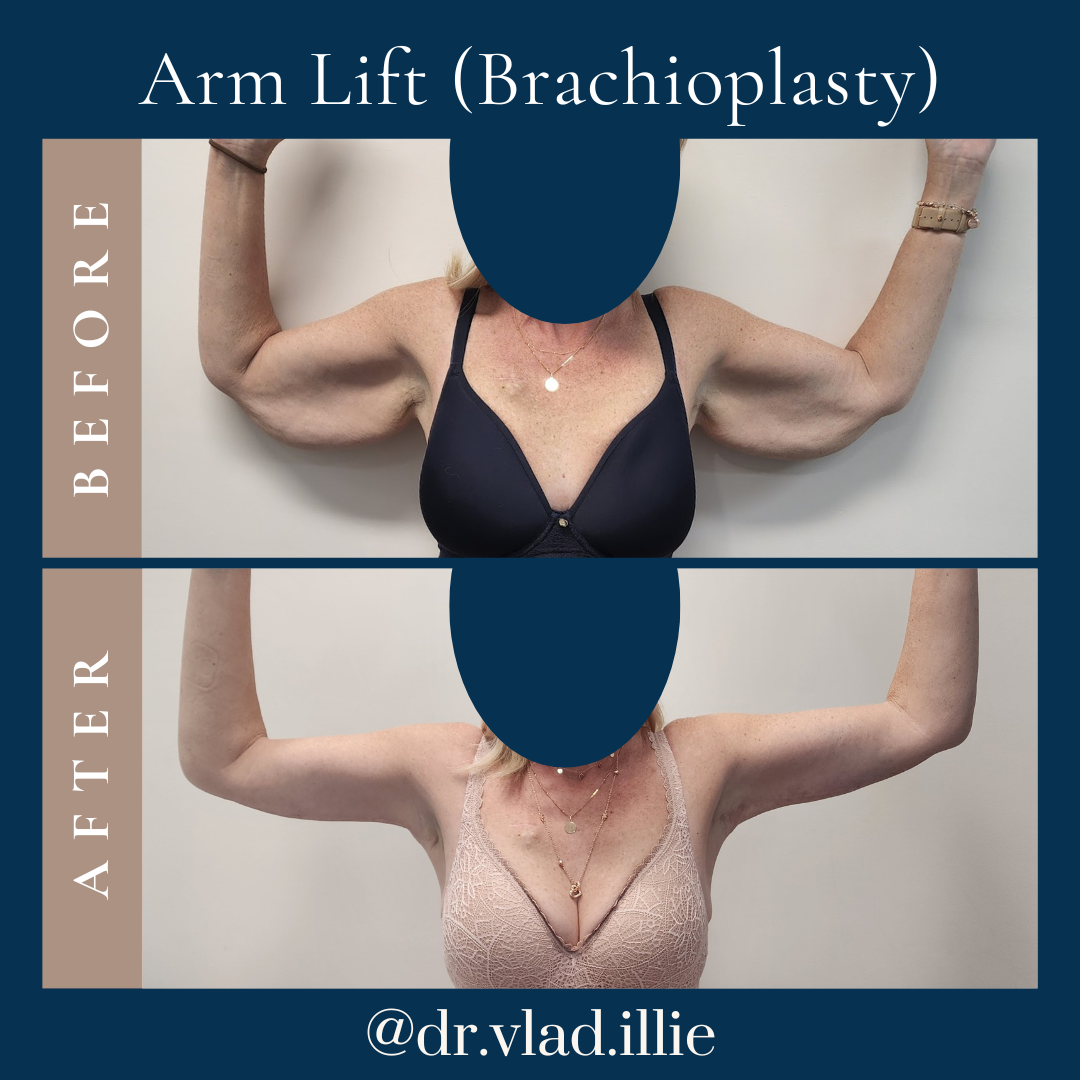
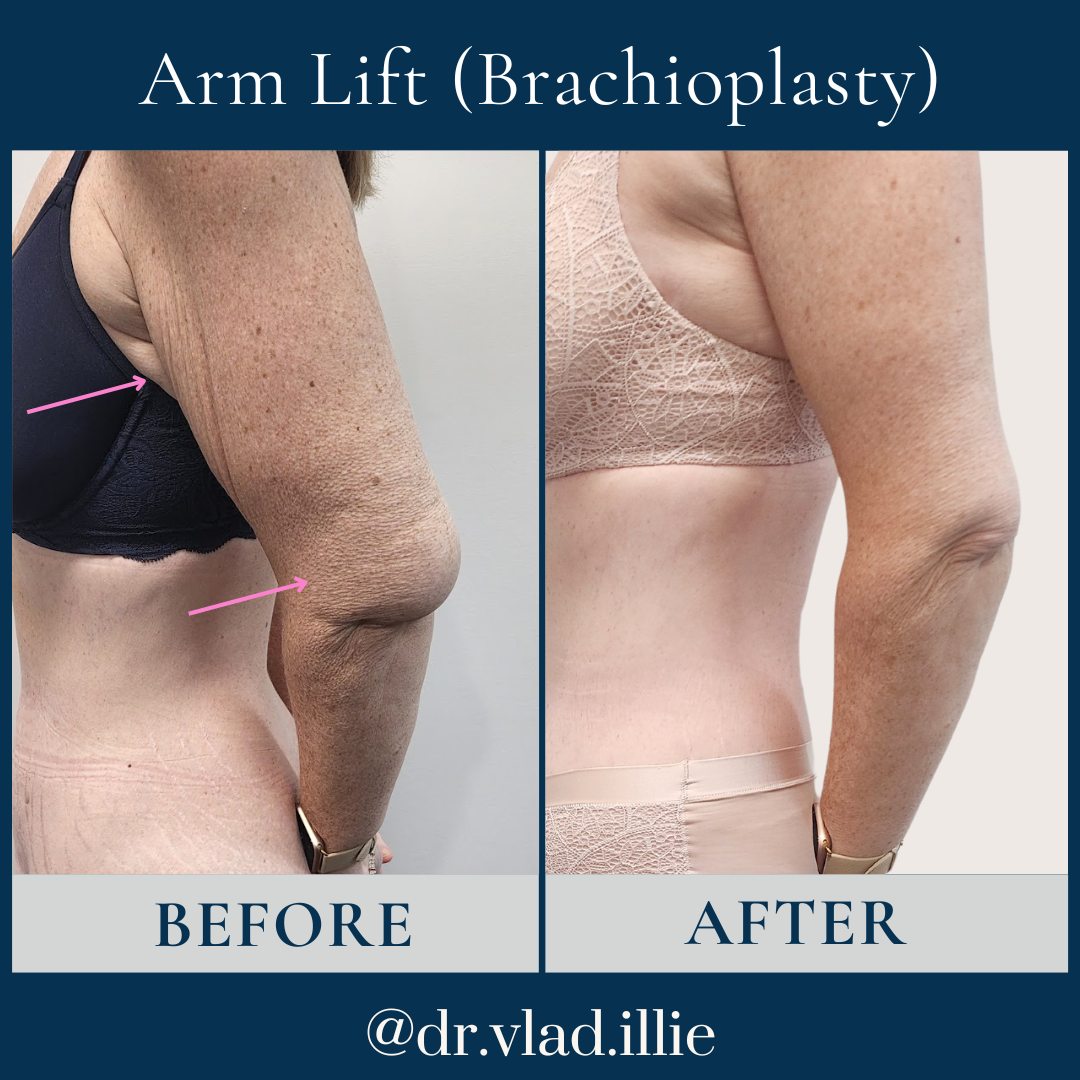
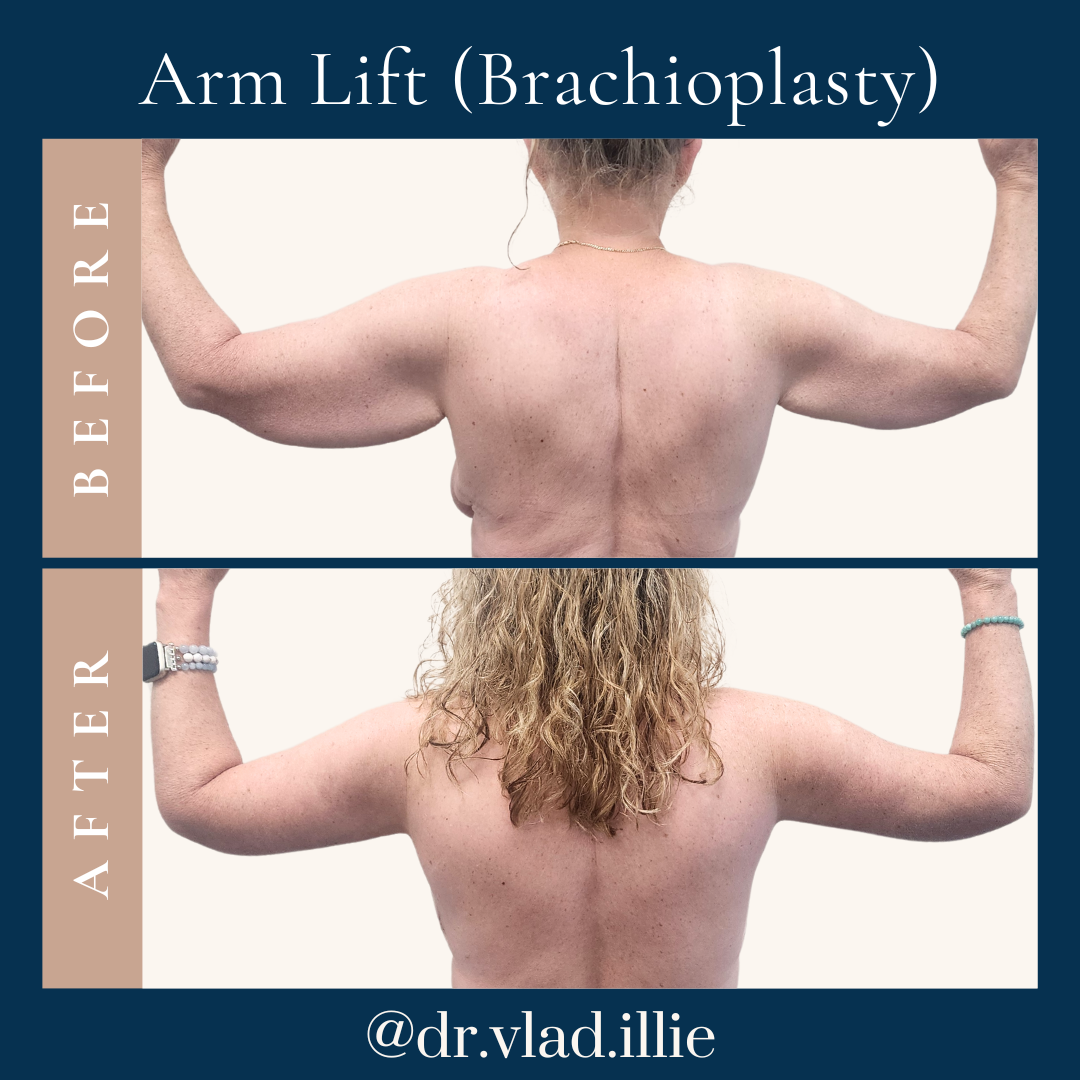
The images below document individual patients who have undergone body contouring surgical procedures: abdominoplasty (tummy tuck), liposuction, arm lift surgery, thigh lift surgery, gynecomastia. Combined procedures are common; a single set of images may reflect more than one treatment performed during the same operation. Surgical outcomes vary considerably between individuals based on anatomy, skin quality, prior weight history, and healing. These images are provided for medical information purposes only and do not represent a guarantee, promise, or prediction of outcome for any other patient.
Abdominoplasty and Liposuction


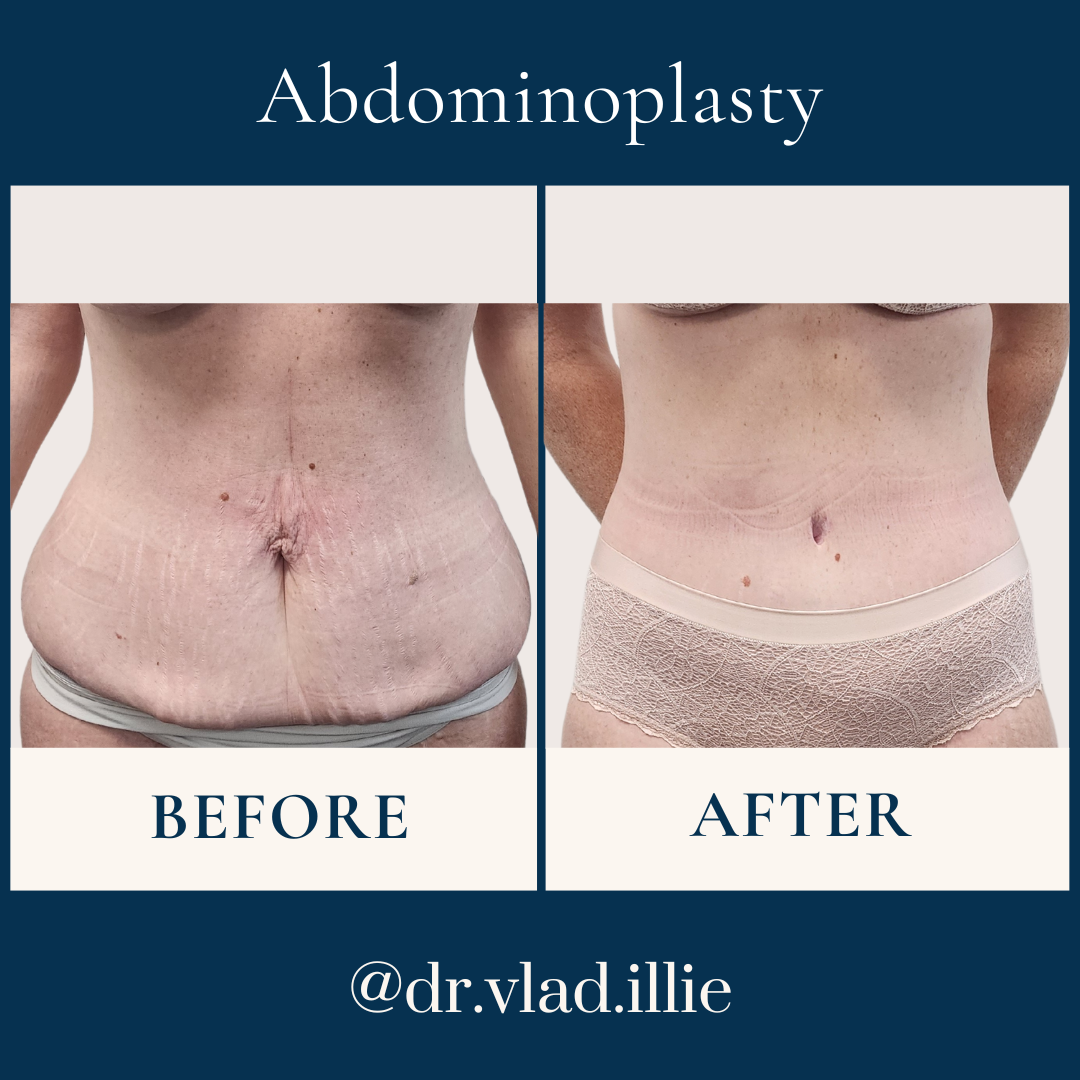
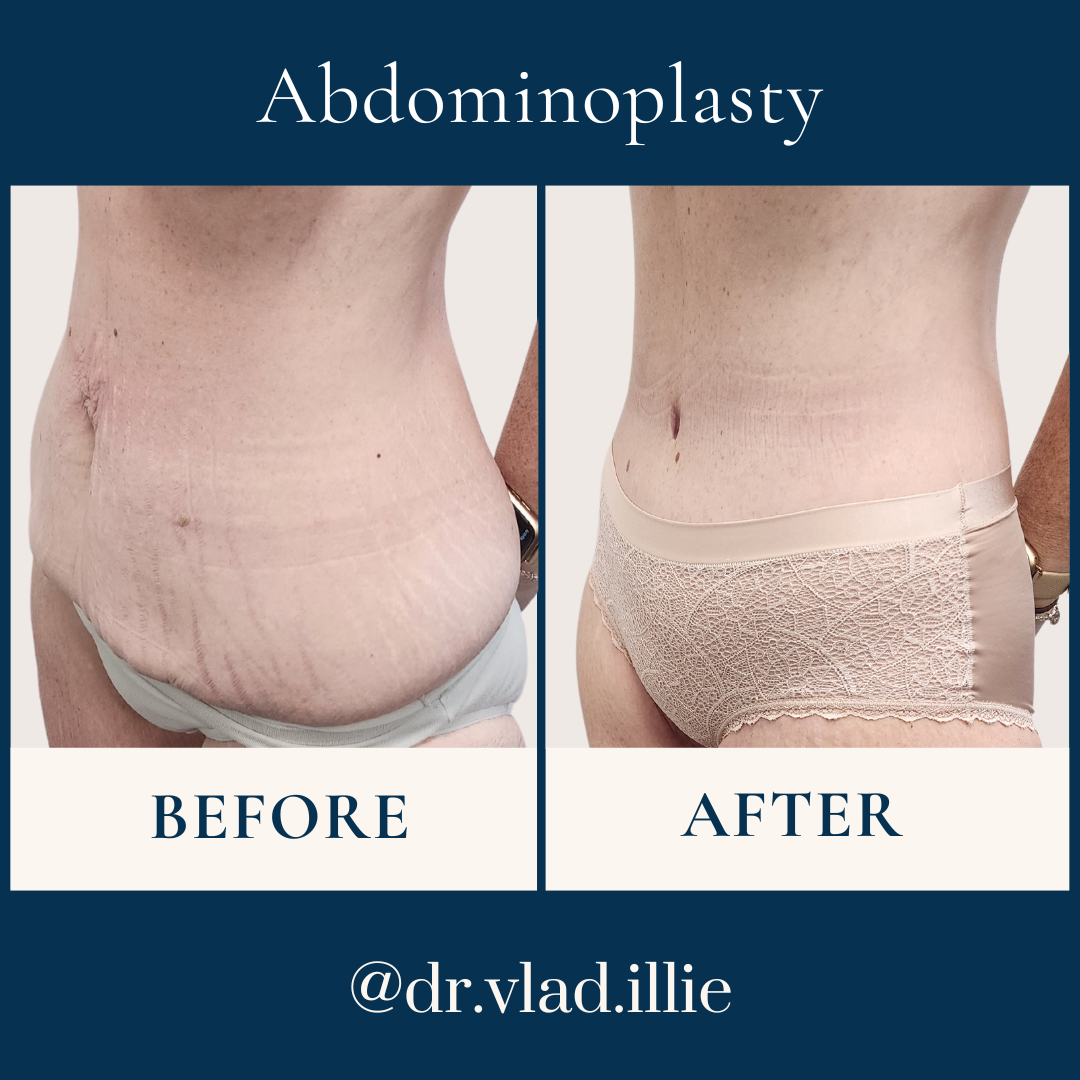
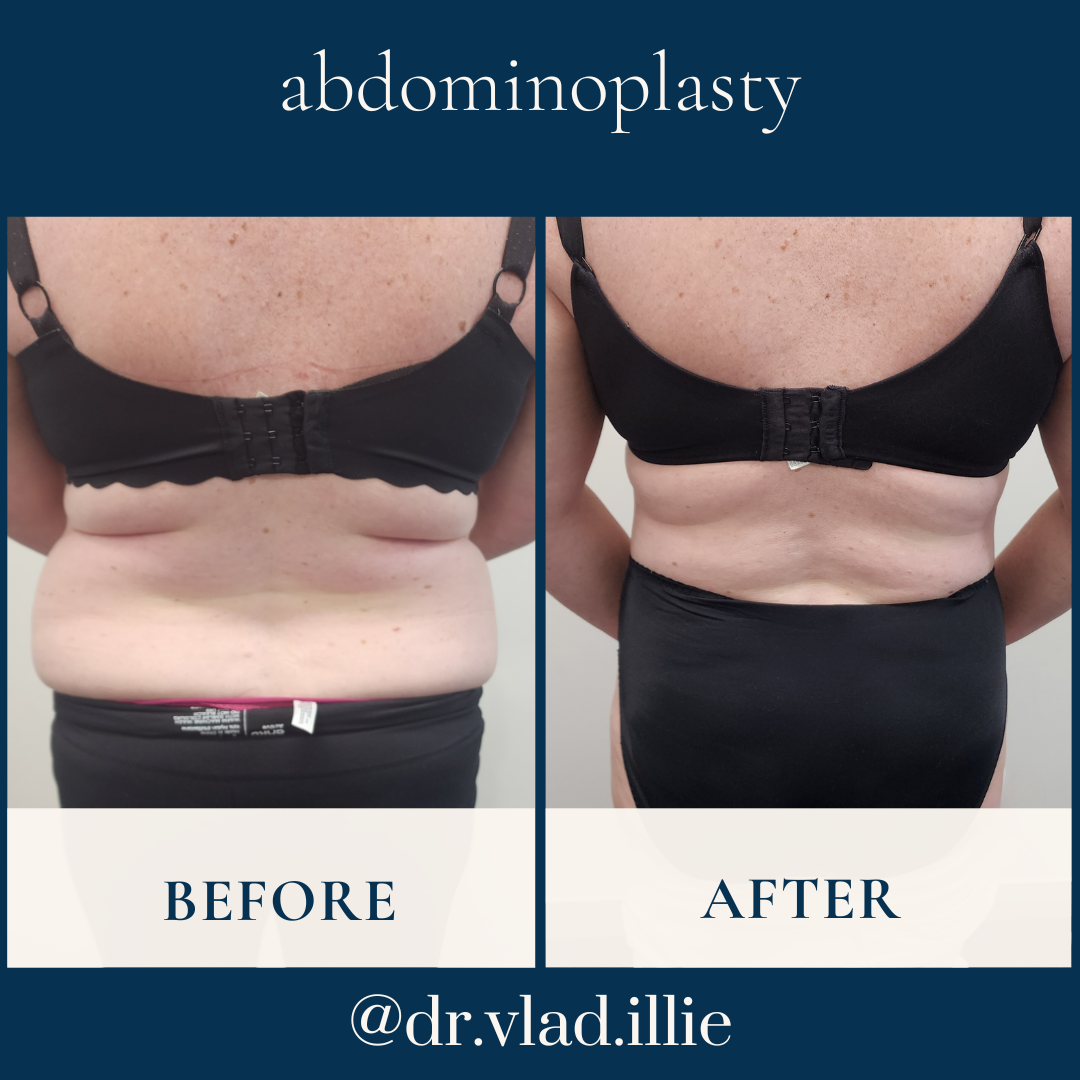

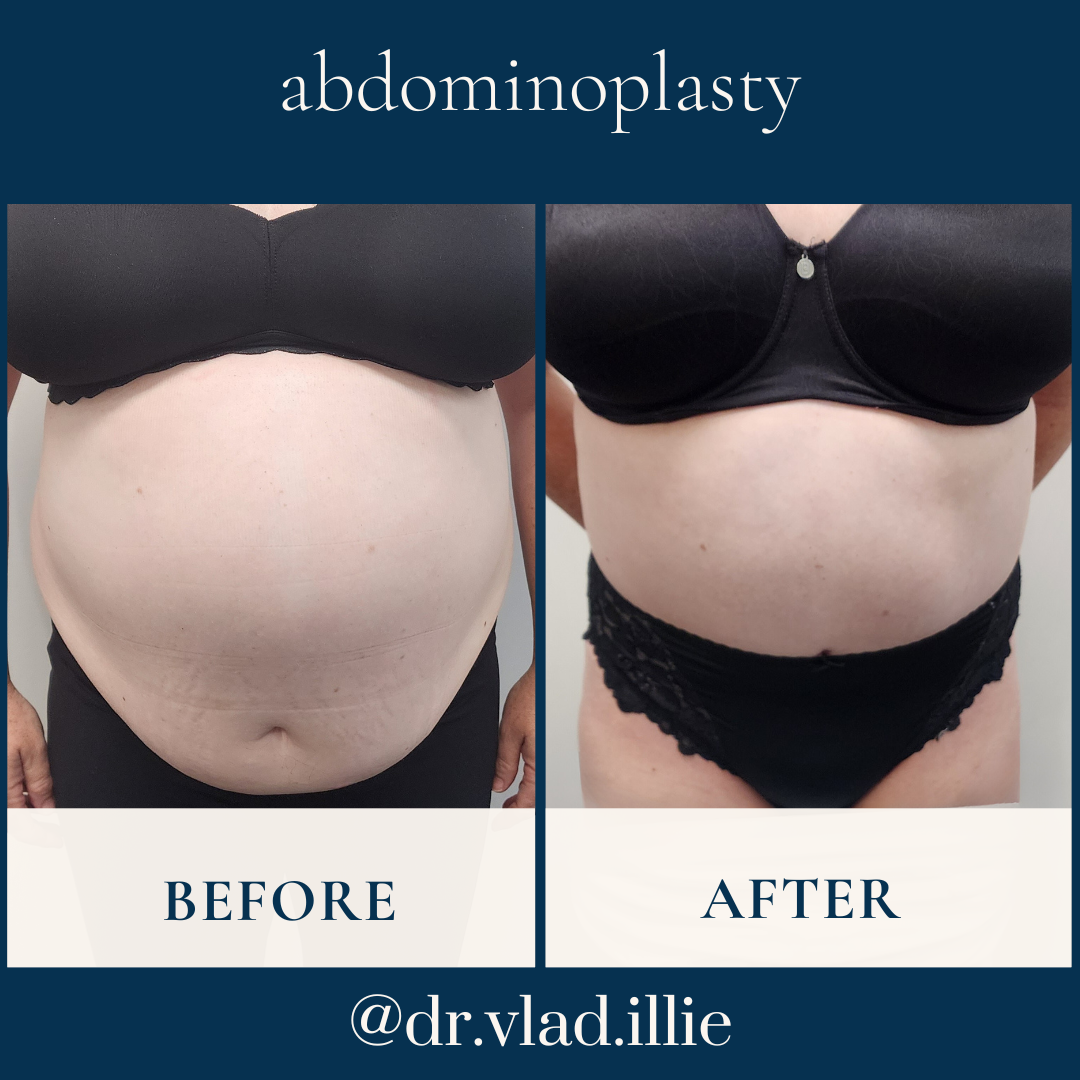
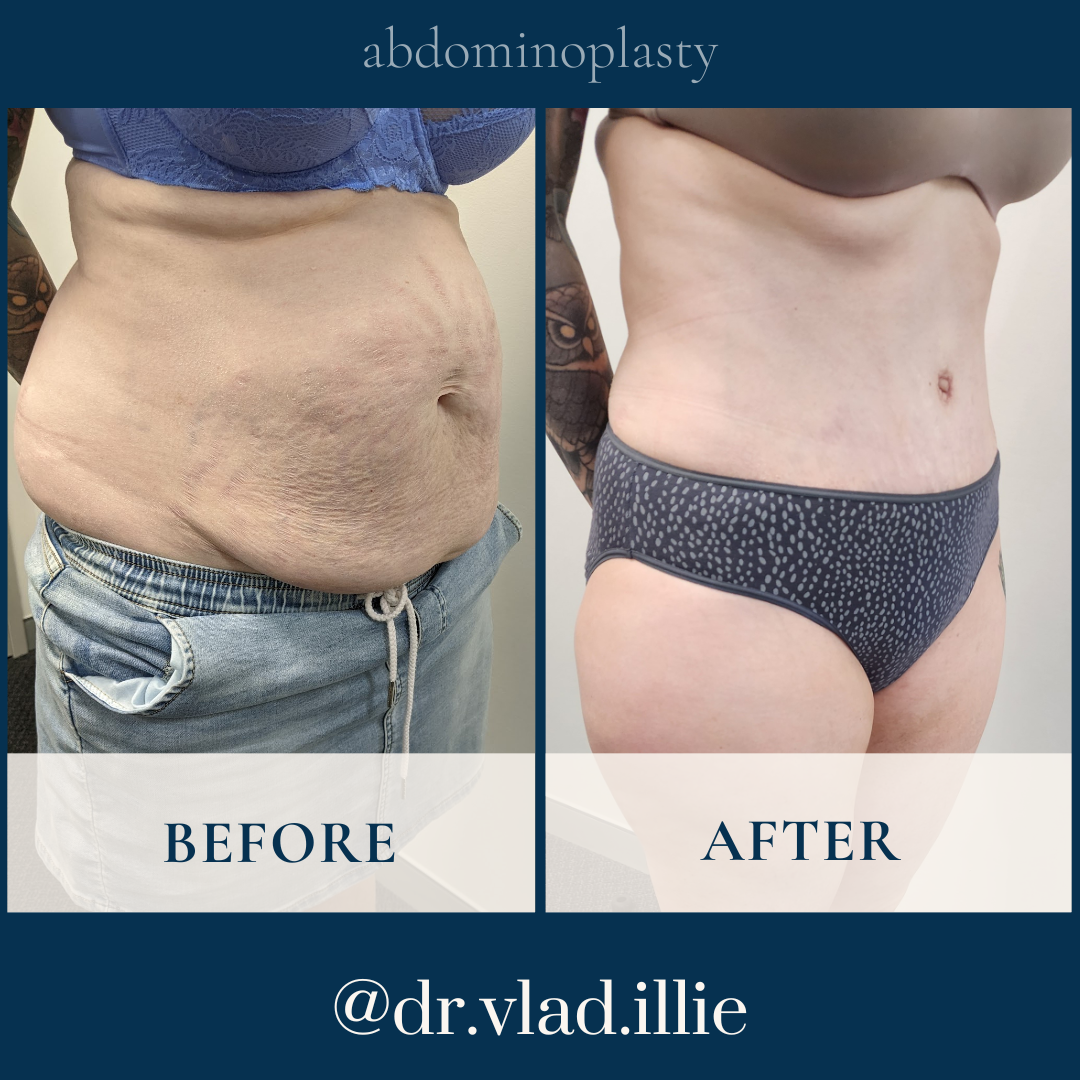
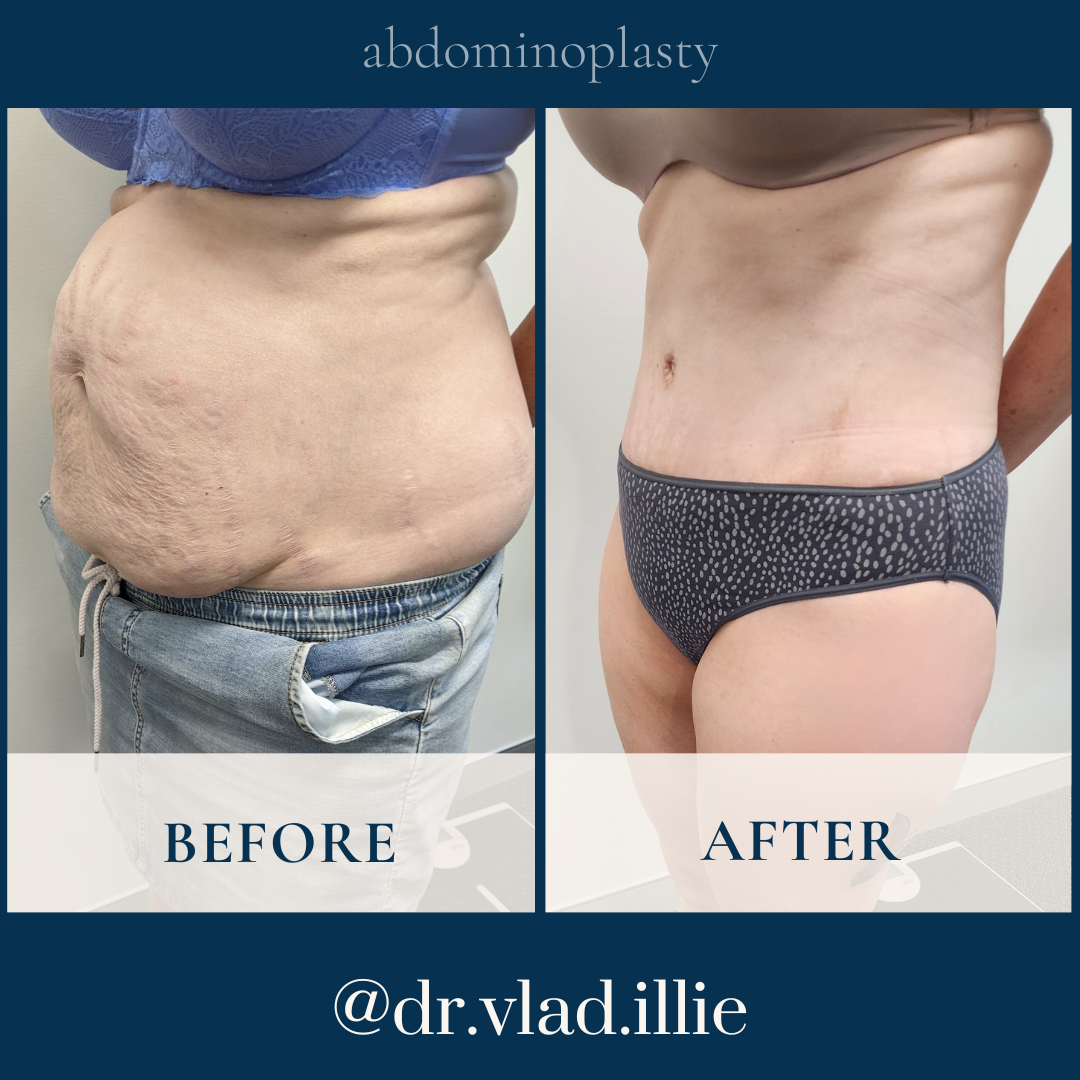
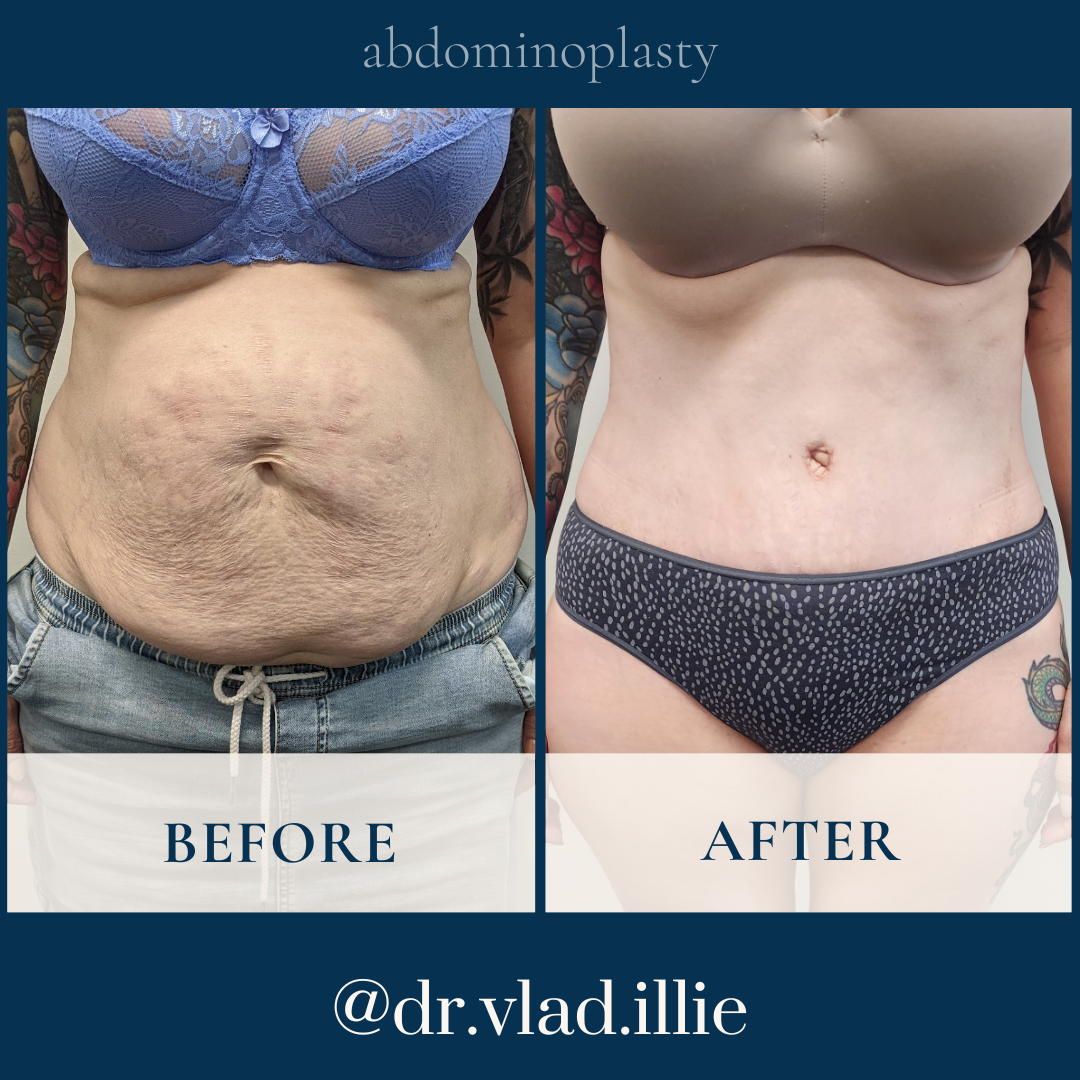
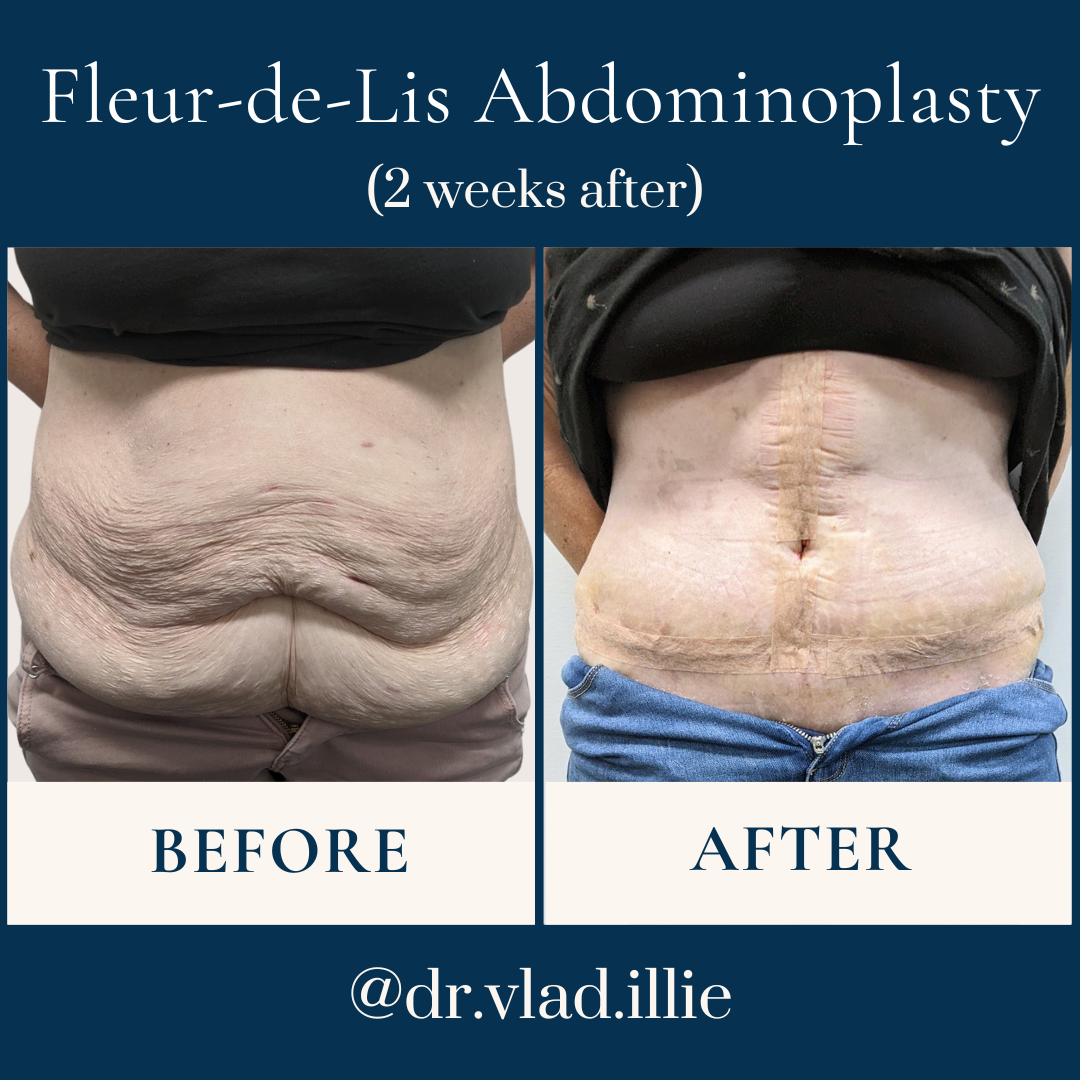
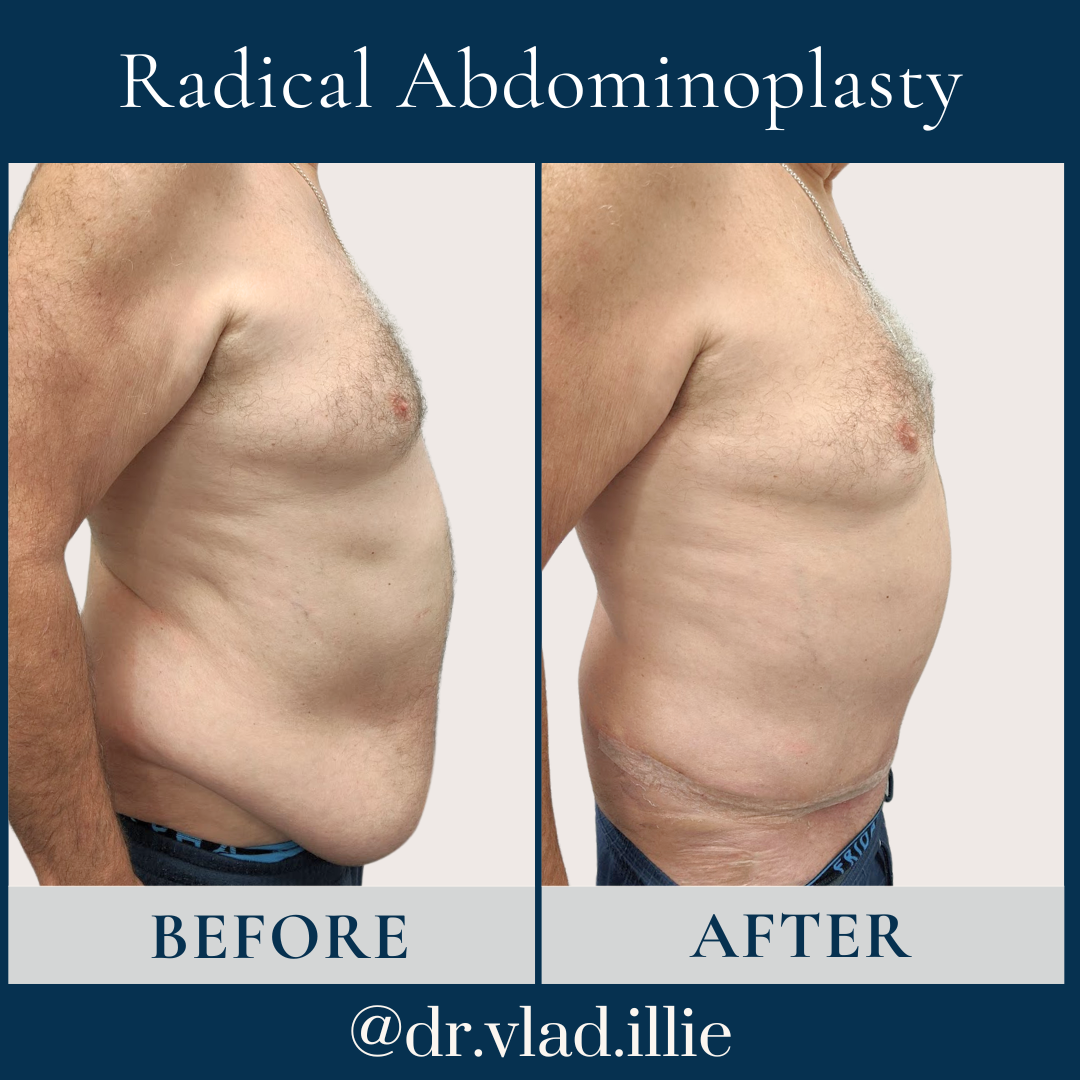
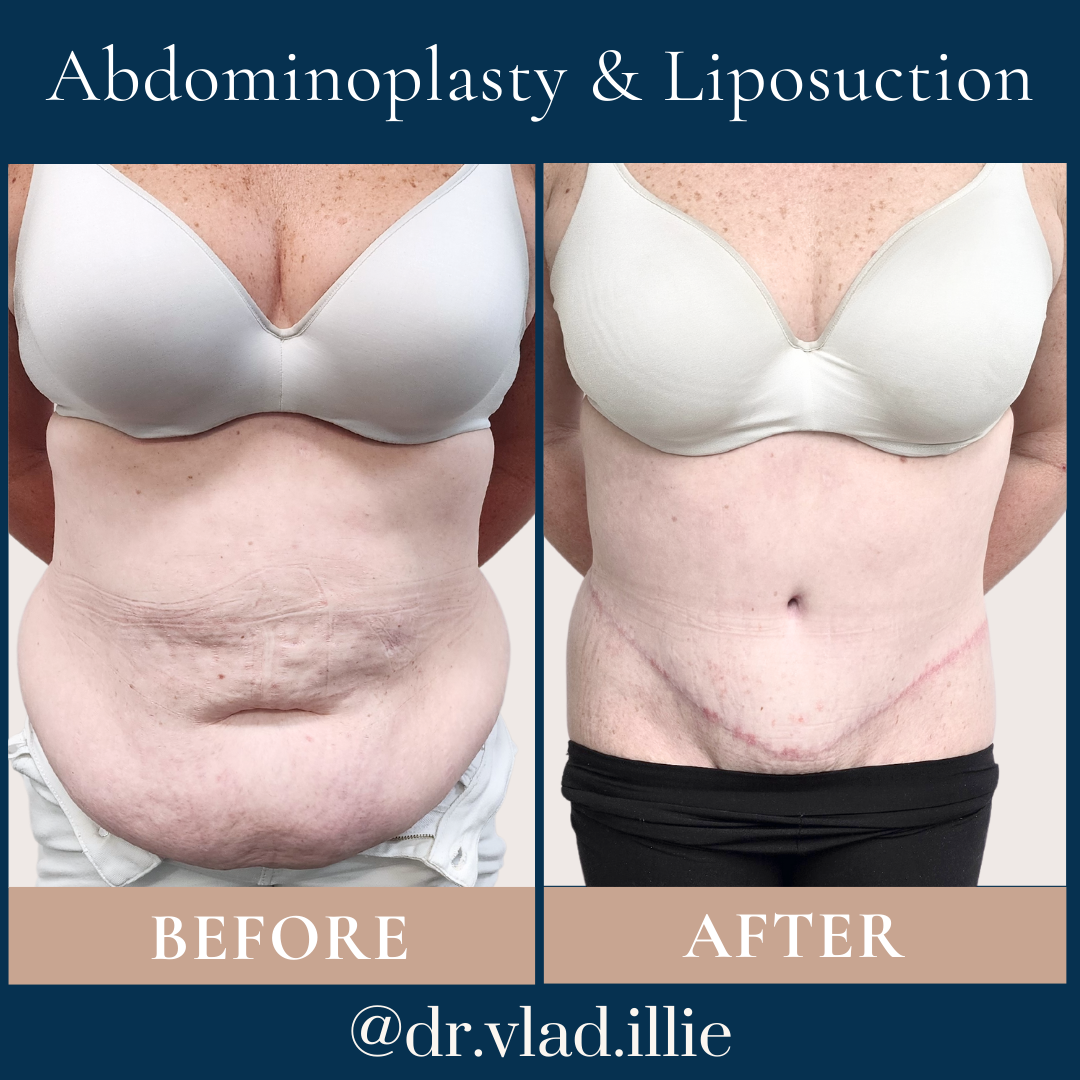
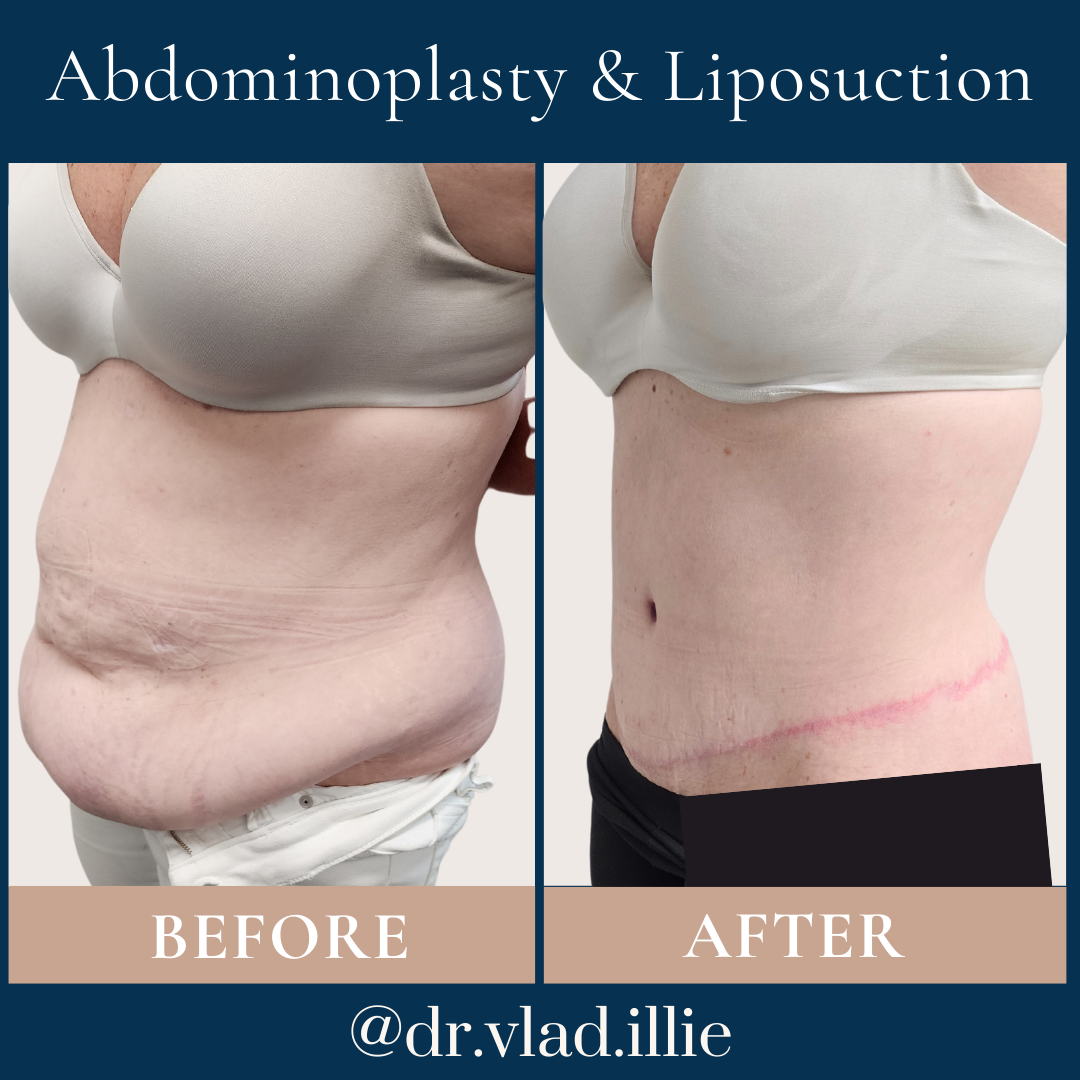
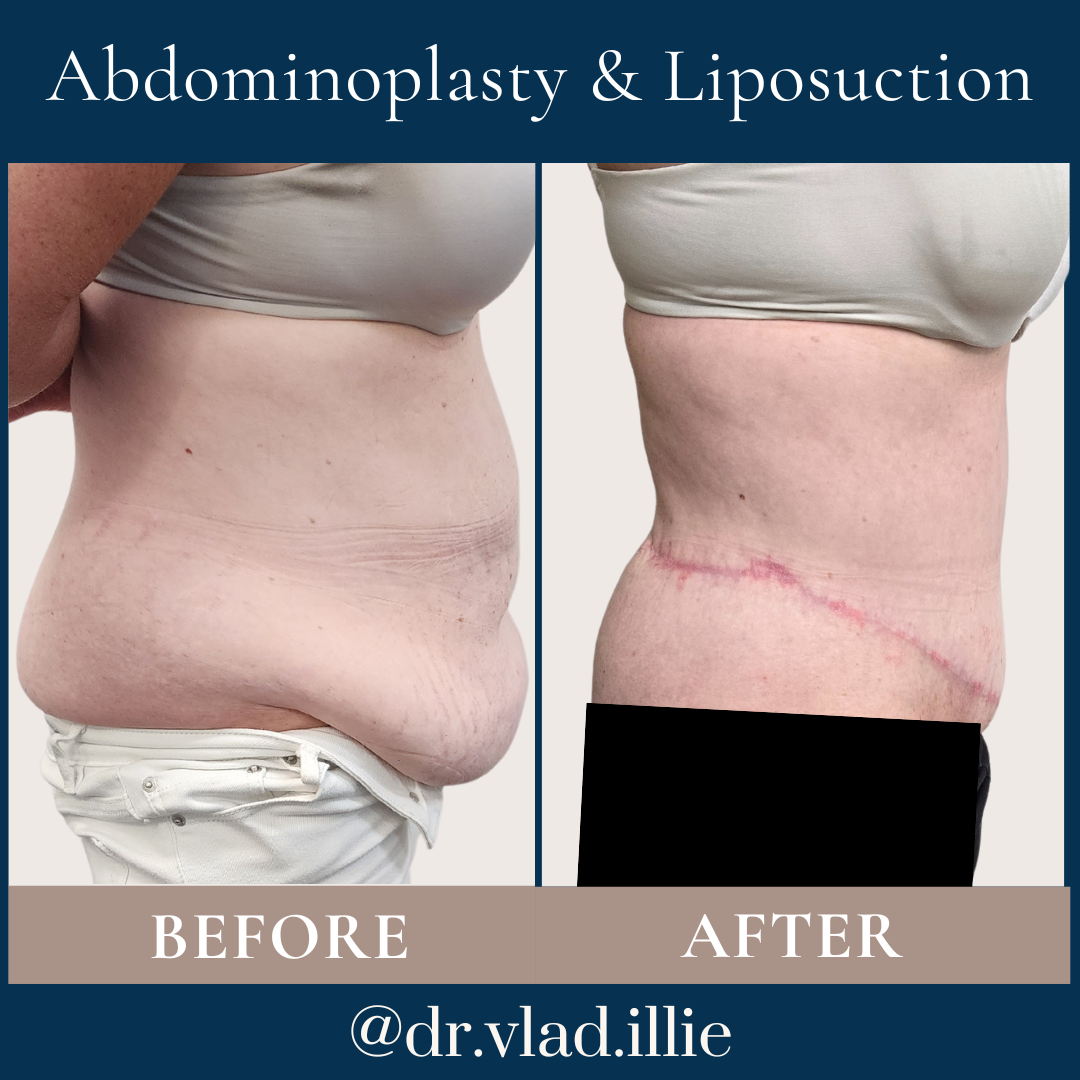


Abdominoplasty and Breast Lift/Reduction



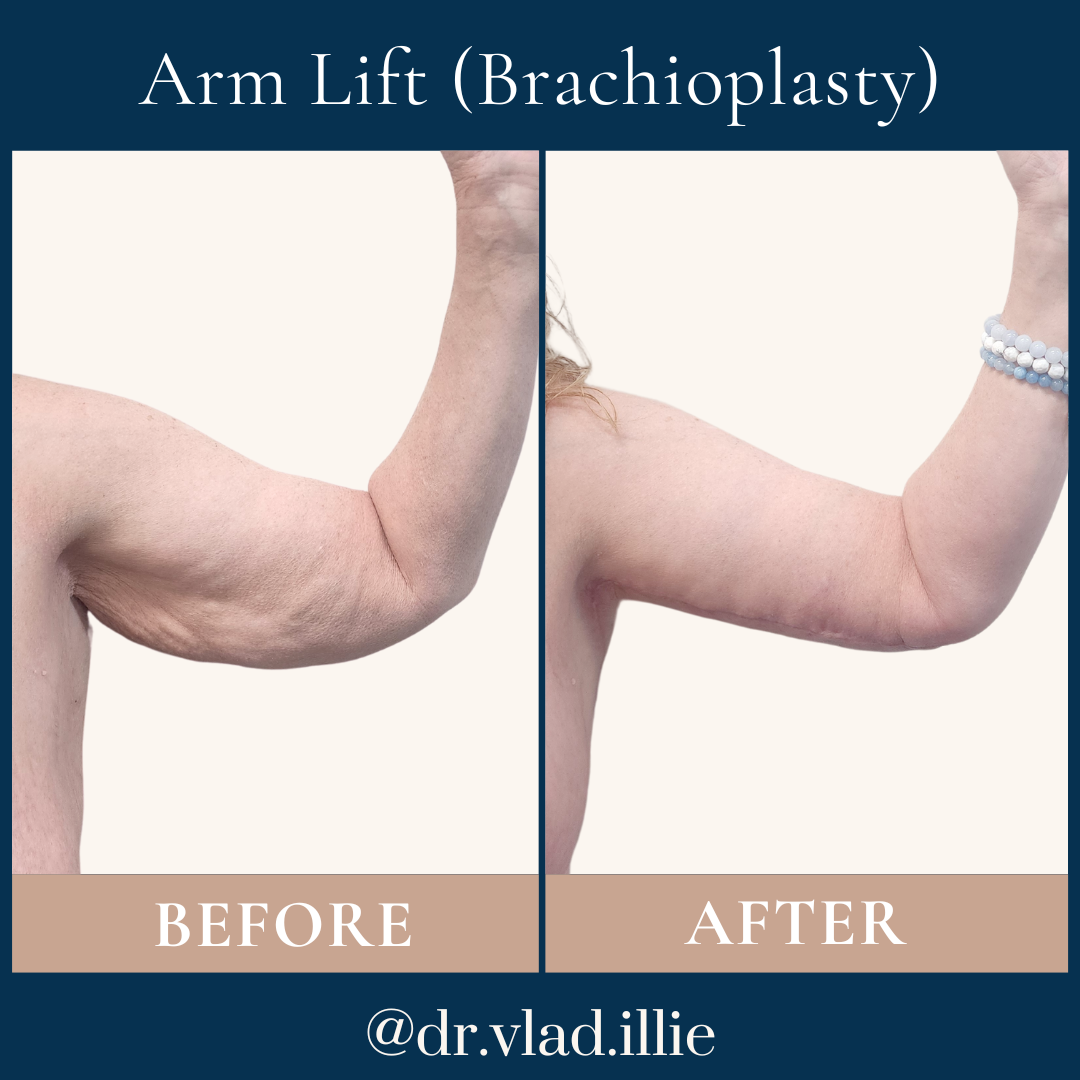
Arm Lift (Brachioplasty)



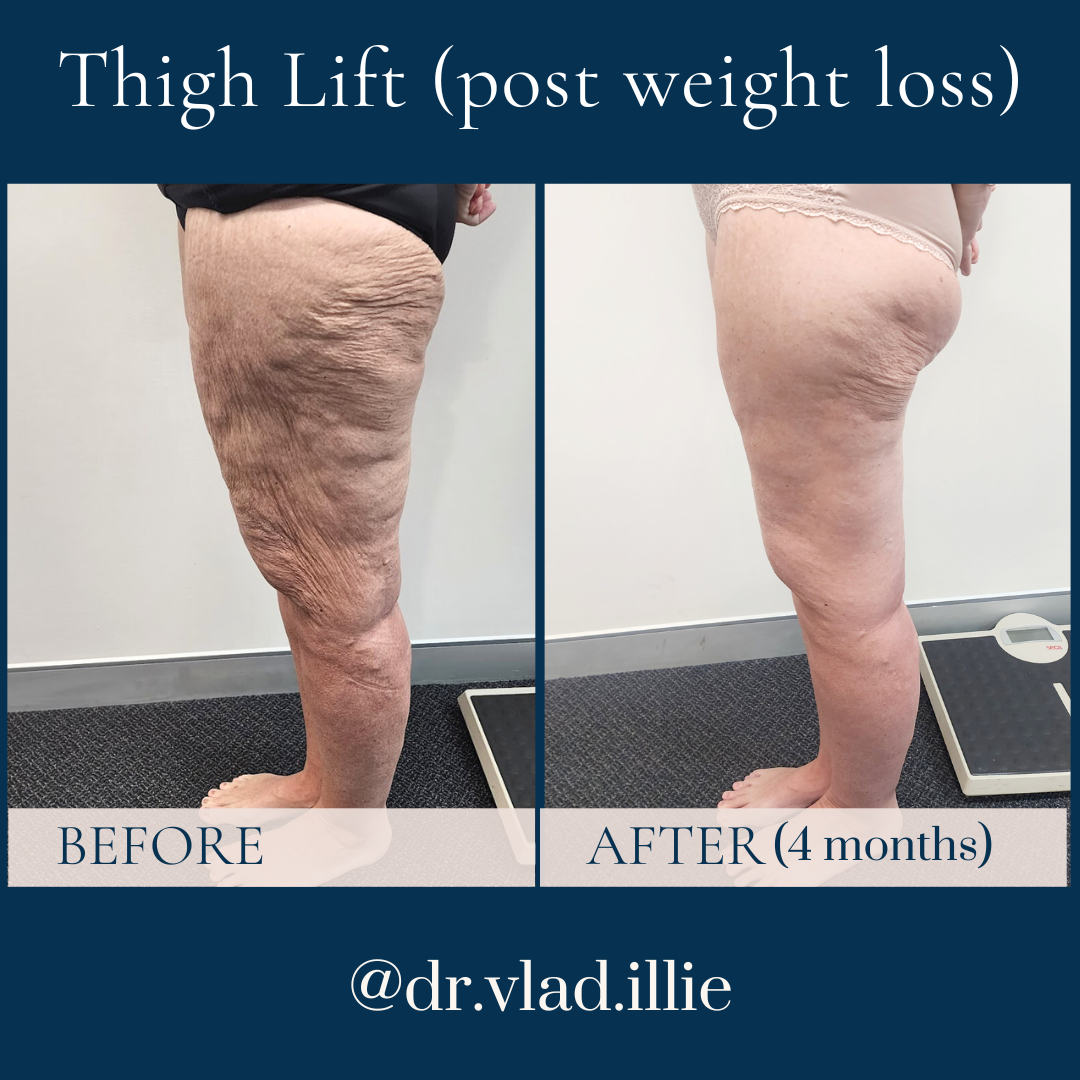
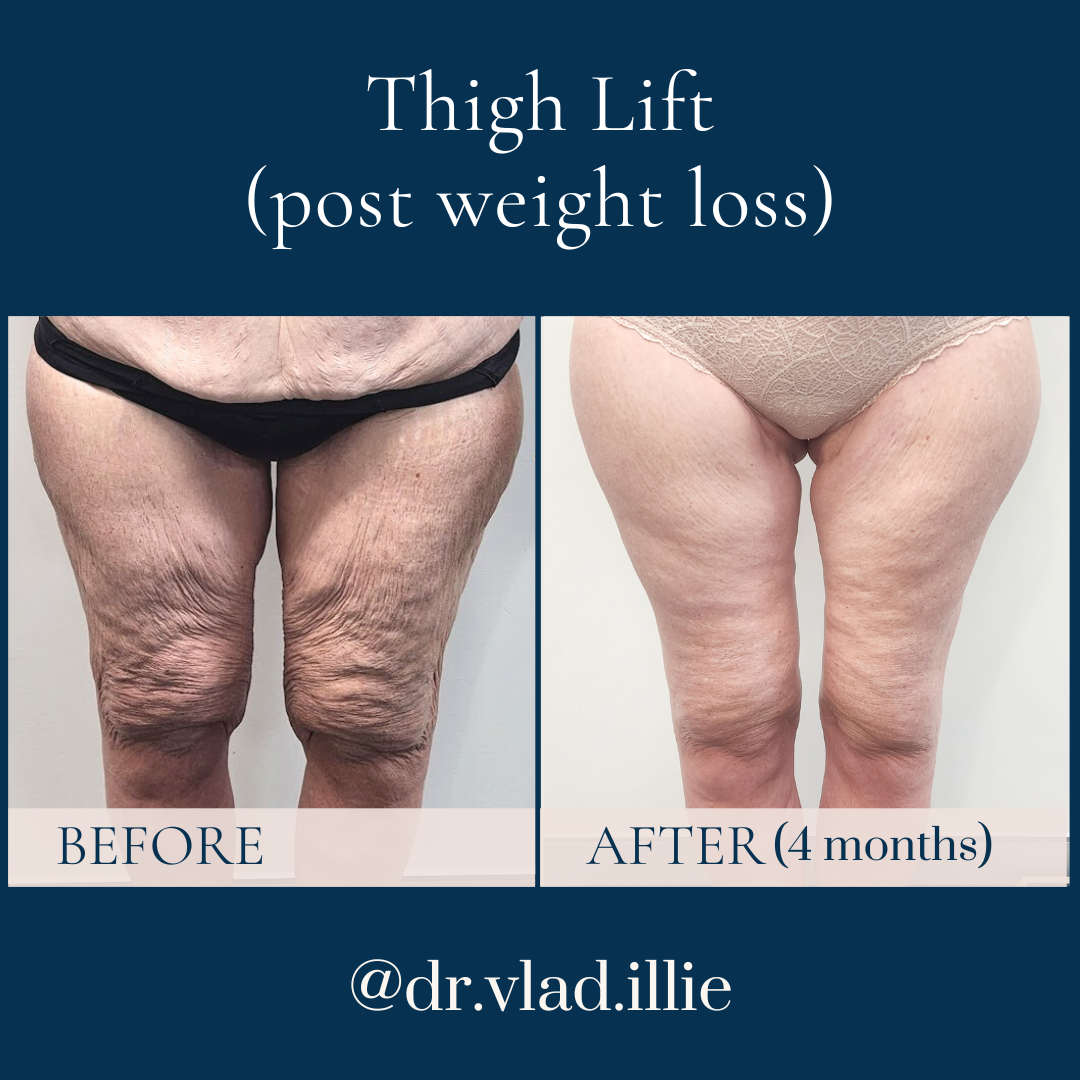
Thigh Lift
Gynecomastia (male breast reduction)


Specialist Standards and Safety Protocols for Body Aesthetic Surgery
Dr Vlad ILLIE practises in accordance with the professional standards required of a specialist plastic and reconstructive surgeon registered with the Medical Board of Australia. The information below is provided to support informed decision-making.

Qualifications
Dr ILLIE holds specialist qualifications in plastic and reconstructive surgery, completing the accredited training pathway recognised by the Royal Australasian College of Surgeons (RACS). He is a Fellow of:
- FRACS Royal Australasian College of Surgeons
- ASPS Australian Society of Plastic Surgeons
- ASAPS Australian Society of Aesthetic Plastic Surgeons
These fellowships reflect completion of a structured specialist training programme and ongoing commitment to professional development in plastic and reconstructive surgery.
APHRA Registration
Dr ILLIE is registered as a specialist plastic surgeon with the Australian Health Practitioner Regulation Agency (AHPRA), under the Medical Board of Australia.
Registration number:
MED0000966953
Specialist registration with AHPRA means Dr ILLIE has completed an approved specialist training programme and is qualified to hold himself out as a specialist plastic surgeon.
Assessment and Consultation Process
Every patient considering a surgical procedure undergoes a comprehensive clinical consultation with Dr ILLIE prior to any decision being made. This consultation is designed to:
- Review the patient’s medical history, current health status, and medications
- Assess anatomical considerations relevant to the procedure under discussion
- Discuss the patient’s goals and whether they are clinically realistic and appropriate
- Identify any factors that may influence suitability, risk, or likely outcome
- Provide detailed information about the procedure, anaesthesia, recovery, and potential complications
- Allow adequate time for questions from the patient
A second or subsequent consultation is available before any decision to proceed with surgery.
Mental Health Support
In addition to physical assessment, Dr ILLIE’s consultation process includes consideration of each patient’s psychological readiness for elective surgical intervention. This forms a routine component of the clinical assessment for all aesthetic procedures and also includes the mandatory screening regulated by AHPRA.
Where there are concerns about a patient’s psychological state, motivation, or expectations, Dr Illie may recommend a period of further reflection, provide further support and clarity to the patient, decline to proceed or refer the patient to an appropriate mental health professional before any surgical decision is made. This process is undertaken in the patient’s best interests and does not reflect the patient’s suitability as a person.
Informed Consent
Informed consent is a legal and ethical requirement for all surgical procedures. Dr ILLIE’S consent process involves providing each patient with:
- A clear explanation of what the procedure involves
- The known risks, potential complications, and likelihood of each
- Realistic information about expected recovery and healing timelines
- A discussion of alternative options, including non-surgical approaches where relevant
- Time to review written material before signing any consent documentation
Consent is obtained in a separate appointment prior to surgery — not on the day of the procedure. Patients are encouraged to bring a support person and to raise any questions that arise after the initial consultation.
Individualised Medical Advice
No information on this website — including these photographs — constitutes medical advice. The images in this gallery document individual cases and are provided as a general reference only. They do not represent typical, average, or expected outcomes for any prospective patient.
Decisions regarding surgical intervention should only be made following a face-to-face clinical consultation in which Dr ILLIE can review your specific circumstances. The advice provided in your consultation is personal to you and cannot be inferred from information published online or from the experiences of other patients.
All surgical procedures carry inherent risks. A full discussion of risks and complications is available at Risks & Complications.
Frequently Asked Questions
How does Dr ILLIE approach abdominoplasty, and what determines which technique he recommends?
Abdominoplasty — commonly called a tummy tuck — is one of the most commonly performed and most anatomically complex procedures in body contouring surgery. Dr Vlad ILLIE approaches abdominoplasty as a procedure that must be individually planned for each patient. The technique he selects depends on the degree and distribution of abdominal skin excess, the quality of the skin envelope, the presence and degree of rectus diastasis (separation of the abdominal midline muscles), the position of the umbilicus, the distribution of subcutaneous fat, and the patient’s overall body proportions.
For patients with skin excess predominantly in the lower abdomen, a standard abdominoplasty with a low horizontal incision is often appropriate. For patients with more extensive skin excess — including vertical excess that extends toward the midline — a radical or fleur-de-lis (inverted-T) abdominoplasty may be necessary. Dr ILLIE uses the fleur-de-lis approach when the anatomical assessment indicates that a horizontal scar alone cannot adequately address the degree of excess skin present: it produces an additional vertical scar but enables a more thorough correction for patients with significant abdominal skin redundancy, including those who have undergone major weight loss.
In the majority of abdominoplasty cases, Dr ILLIE also addresses rectus diastasis — the separation of the paired abdominal muscles along the midline that commonly occurs after pregnancy or significant weight change. Repairing the diastasis at the time of abdominoplasty restores the structural integrity of the abdominal wall and contributes to a flatter, firmer abdominal contour. This is discussed in detail during the consultation, along with the planned incision placement, what the scar will look like, and what the recovery period involves.
Dr ILLIE frequently combines abdominoplasty with concurrent liposuction of adjacent areas — including the flanks, hips, and back — when anatomical assessment indicates that these areas contribute to the patient’s overall contour and can be safely treated at the same operative setting. He discusses the rationale for any combined approach clearly during the consultation.
What is Dr ILLIE'S approach to liposuction, and what can it realistically address?
Liposuction is a procedure for the targeted removal of localised subcutaneous fat deposits that are disproportionate to the rest of the body and have not responded to changes in diet and exercise. Dr ILLIE approaches liposuction as a contouring tool, not a weight-loss procedure — and he is direct about this distinction with every patient who presents with liposuction as a primary concern. The best candidates for liposuction are patients with good skin quality and elasticity who have localised areas of excess fat that are disproportionate relative to the rest of their body, not patients seeking overall volume reduction.
During the assessment for liposuction, Dr ILLIE evaluates the area or areas of concern, the quality and tone of the overlying skin, the amount of subcutaneous fat present and its distribution, and whether the patient’s skin is likely to retract adequately following fat removal. Skin retraction after liposuction is a significant variable — in patients with good skin elasticity, the skin contracts smoothly following fat removal and the result is a refined, smooth contour. In patients with reduced skin elasticity — due to age, significant weight loss, or sun damage — the skin may not retract fully, and this can affect the quality of the result. This is something Dr ILLIE assesses and discusses honestly with each patient before any plan to proceed is made.
Liposuction at Dr ILLIE’S practice is frequently performed in conjunction with other procedures — most commonly abdominoplasty, where flanks, hips, and back may be treated concurrently. When combined, the planning of each component of the procedure is coordinated to produce an overall result that is coherent and proportionate rather than addressing areas in isolation.
How does Dr ILLIE approach arm lift (brachioplasty) surgery?
Brachioplasty — arm lift surgery — addresses excess skin laxity of the upper arm, a concern that most commonly arises following significant weight loss, whether through bariatric surgery or other means, or as a consequence of age-related changes in skin elasticity. Dr ILLIE’S assessment for brachioplasty involves evaluating the degree and extent of the skin excess — whether it is confined to the axillary area or extends along the entire length of the upper arm — the quality of the skin, and whether there is significant accompanying fatty excess that would benefit from concurrent liposuction.
The scar pattern in brachioplasty is determined by the distribution of the skin excess. For patients where excess is limited to the upper portion of the arm near the axilla, a shorter scar may be possible. For patients with excess skin extending along the full length of the upper arm, a longer scar running from the axilla to the elbow is required to achieve adequate correction. Dr ILLIE discusses the scar pattern and its position carefully with each patient during the consultation — the scar in brachioplasty is placed on the medial (inner) aspect of the upper arm where it is less visible with the arm at rest, but patients need to understand its length and appearance during recovery, and what realistic scar maturation looks like at 12 to 18 months.
Dr ILLIE also undertook dedicated training in body contouring surgery after massive weight loss during his fellowship in Stuttgart, Germany — an area where brachioplasty is a common component of post-bariatric surgical planning. This experience informs his approach to patients presenting with skin excess in the context of significant prior weight change, where surgical planning often involves coordinating multiple body areas and careful sequencing of procedures.
What does Dr ILLIE assess when planning a thigh lift?
Thigh lift surgery addresses skin laxity of the inner thigh — an area commonly affected by significant weight loss, ageing, and changes in skin elasticity. Dr ILLIE’S assessment for a thigh lift involves evaluating the degree of skin excess and its distribution along the inner thigh, the quality of the skin, the extent of any accompanying fatty excess, and the patient’s overall anatomy and body proportions. He also considers the patient’s weight history and stability — thigh lift surgery is most appropriately timed when weight has been stable for an adequate period, as subsequent weight change can alter the tissue that was addressed.
The technique used for thigh lift — including the incision length, the position of the scar, and the extent of tissue resection — depends on the degree of skin excess present. For patients with limited excess confined to the upper inner thigh, a transverse incision in the groin crease can address the concern while keeping the scar in a concealed location. For patients with more significant excess extending further down the inner thigh, a vertical component to the incision may be required. Dr ILLIE discusses the planned approach and the expected scar position clearly during the consultation, including what the scar will look like during recovery and as it matures.
Thigh lift is frequently considered as part of a broader body contouring plan in patients who have undergone major weight loss, and Dr ILLIE has specific training and experience in this context from his fellowship at the Marienhospital in Stuttgart, which is a leading centre for post-bariatric body contouring. He assesses the sequencing and combination of body contouring procedures carefully in these patients, taking into account total operative burden, recovery capacity, and the clinical priority of different areas.
Why does Dr ILLIE sometimes combine body contouring procedures in a single operation?
In patients who have experienced significant weight loss, areas of skin excess frequently affect multiple regions of the body simultaneously — the abdomen, arms, thighs, breasts, and back may all be involved. Addressing each area in separate procedures would require multiple general anaesthetics, multiple recovery periods, and a significantly extended overall timeline before the full correction is achieved. In patients whose health permits it, combining selected procedures in a single operative session — where both the anatomical rationale and the safe operative duration support doing so — can represent a more clinically efficient plan.
Dr ILLIE makes these decisions based on clinical assessment rather than a standard combined-procedure package. The considerations include: whether each component of the proposed combined plan is individually indicated based on the anatomical assessment; whether the total planned operative duration is within a safe range for the patient’s health, fitness, and anaesthetic risk profile; whether the recovery from a combined procedure is manageable for the patient; and whether there are any technical reasons why procedures should be staged rather than combined — for example, where the positioning required for one procedure conflicts with the requirements for another.
Dr ILLIE also performed reconstructive and aesthetic body contouring at St Vincent’s Public and Private Hospitals, where complex multi-region cases require the kind of careful operative planning and coordination he brings to combined body contouring procedures. This clinical breadth — spanning reconstructive and aesthetic surgery — informs how he approaches complex cases in ways that benefit his body contouring patients directly.
How does Dr ILLIE'S consultation process work for body contouring surgery?
The consultation for body contouring surgery with Dr ILLIE begins with a detailed conversation about the patient’s concerns, their weight history, and the context in which they are considering surgery. This history is directly clinically relevant — the degree and character of skin excess, the quality of the tissue, and what will be required to achieve a meaningful correction are all influenced by how the excess skin developed and over what timeline.
Dr ILLIE conducts a thorough physical assessment of the areas of concern. For abdominal procedures, this includes an assessment of the degree of skin excess and its distribution, the integrity of the abdominal wall and presence of any rectus diastasis, the position of the umbilicus, and the character of the skin. For arm and thigh procedures, he assesses the distribution of excess and the likely scar pattern required. He explains his findings and his reasoning clearly, and discusses the technique he would recommend and why.
Where a patient is a post-bariatric patient or has undergone rapid weight loss, Dr ILLIE may recommend relevant pre-operative assessments — including nutritional blood work — before planning surgery. He draws on his fellowship training in post-bariatric body contouring from Stuttgart in managing these patients, where the timing and sequencing of body contouring after massive weight loss requires particular care. Every consultation includes a thorough discussion of risks, recovery, and realistic expectations, and a second consultation is always available before any decision to proceed is made.
Can I tell from the photos what my own result would look like?
No. The photographs in this gallery document individual patients and their specific outcomes under their specific conditions. They cannot be used to predict or infer what a different patient will experience. Skin quality, degree of excess, body composition, weight history, and healing biology all differ between individuals, and the interaction of these factors with the surgical technique determines the result in each individual case.
Additionally, body contouring photographs capture a single point in a continuing healing process. Scar appearance at six weeks, three months, six months, and one year will all look different from each other, even for the same patient. Early post-operative images — where scars may still be red or thickened — are not representative of the final mature scar. Reviewing photographs without this context can produce unrealistic expectations about what scars will look like at the end of the healing process.
Understanding what may be achievable in your own case requires a clinical assessment. Dr ILLIE provides this during the consultation, where he can examine your tissue directly, discuss your history, and give advice that is specific to your anatomy and circumstances.
Why do body contouring results vary so much between patients?
Body contouring procedures operate on tissue that is profoundly individual. The degree and character of skin excess — whether the skin is fine and elastic or thick and heavily stretched — reflects each patient’s specific history of weight change, pregnancy, sun exposure, and genetics. Two patients who look broadly similar in a pre-operative photograph may have very different skin quality, and this directly affects both what the procedure can achieve and what the result looks like over time.
Scar appearance is the single most individually variable aspect of body contouring results, and it is something Dr ILLIE discusses directly and honestly with every patient. Procedures such as abdominoplasty, brachioplasty, and thigh lift involve longer incisions than most other procedures in elective surgery, and the appearance of the resulting scars — their width, colour, texture, and the speed with which they mature — is governed primarily by individual genetics rather than surgical technique. Dr ILLIE uses techniques designed to minimise scar visibility and optimise wound healing, but he is candid that some patients will form less ideal scars regardless of what is done, and that final scar appearance is not fully established until 12 to 18 months post-operatively.
Weight stability is also a source of outcome variability. Results from abdominoplasty and other body contouring procedures are most durable when weight is stable and maintained after surgery. Significant subsequent weight gain or loss will alter the tissue that was addressed, and the effect of this on the result depends on the degree of change and individual factors that cannot be predicted in advance.
Are the photos edited or filtered?
No. The photographs in this gallery are unretouched medical photographs. They have not been digitally altered, filtered, or enhanced. The ethical standards of a specialist medical practice require that medical photographs used for patient education accurately represent the patient’s appearance — altering images to modify the apparent result would be misleading and inconsistent with the obligations of a registered medical practitioner. Dr ILLIE’S practice does not do this.
Differences in lighting conditions, colour temperature, and camera positioning between pre- and post-operative photographs may occasionally create minor visual variations unrelated to any surgical change. These are limitations of photographic standardisation rather than deliberate alterations, and any such differences should be read in that context.
What should I bring to a consultation with Dr ILLIE about body contouring surgery?
Dr ILLIE’S consultation is most productive when he has access to relevant health and history information from the outset. From a health perspective, bring a list of all current medications — prescription, over-the-counter, vitamins, and supplements — as many affect bleeding, wound healing, and anaesthetic safety. Relevant medical history to disclose includes any prior abdominal surgery (as this may affect the anatomy relevant to abdominoplasty planning), any history of hernia repair, prior liposuction, blood clotting conditions, and any significant medical conditions managed by other specialists.
Your weight history is directly relevant to the body contouring consultation: be prepared to discuss your weight at different points in your life, the method and timeline of any weight loss that has contributed to the skin excess you want to address, and how stable your weight currently is. If you have undergone bariatric surgery, bringing your operative records and any recent nutritional blood work results gives Dr ILLIE important context for assessing your surgical readiness. Patients whose weight has not yet stabilised, or who are nutritionally deficient, may be advised to address these factors before planning body contouring surgery.
From a personal perspective, arriving with a clear account of the areas that concern you and the history behind them is more useful than arriving with a specific image-based outcome in mind. Dr ILLIE’S role is to assess your anatomy and advise on what is clinically appropriate — not to confirm a pre-formed outcome. Questions about technique, incision placement, scar management, recovery timeline, and what to expect are entirely appropriate. A first consultation with Dr ILLIE is an information and assessment appointment; there is no obligation to make any decision at that visit.