
A question I field regularly in consultation concerns not which single treatment to pursue, but how different treatments interact with one another: whether a particular injectable can be combined with a particular laser, whether surgery should precede or follow non-surgical treatment, and whether combining approaches produces a better result than pursuing them sequentially over a longer period. These are genuinely important questions, and the answers are rarely as simple as ‘more is better’ or ‘combining treatments always saves time.’
Treatment pairing, done well, rests on an understanding of how different modalities address different tissue layers and different mechanisms of ageing, and how the timing and sequencing of interventions affects both safety and outcome. Done poorly, combining treatments without this understanding can increase risk, compromise healing, or simply fail to produce a meaningfully better result than a more considered, staged approach would have achieved.
This article examines the clinical logic behind treatment pairing: which combinations tend to be complementary, which require careful sequencing or spacing, and which are best avoided or approached with particular caution. My aim is to help you approach any conversation about combined treatment with a clearer understanding of the principles at play, rather than simply accepting or declining a proposed combination without understanding why it has been recommended.
As with every topic in this series, the specific suitability of any treatment combination depends entirely on individual anatomy, health history and goals, and should be determined in consultation with a qualified practitioner rather than through general guidance alone.
It is also worth noting that the appeal of combined treatment is not purely a matter of convenience. For some patients, a well-considered combination genuinely does produce a more harmonious result than sequential, isolated treatment, particularly where multiple tissue layers are contributing to a single visible concern. The distinction this article aims to draw is not between combining and not combining, but between combination undertaken for sound clinical reasons and combination undertaken primarily for scheduling convenience or commercial packaging.
Scientific Background
Why Treatments Interact the Way They Do
To understand treatment pairing, it helps to think of the face and body as a series of distinct tissue layers, each of which ages somewhat independently and each of which is addressed by different categories of treatment. Skin surface concerns — texture, pigmentation, fine superficial lines — are generally addressed by topical agents, peels and resurfacing lasers. Deeper skin quality and collagen density are influenced by biostimulatory treatments. Volume loss within fat compartments is addressed by dermal filler or fat grafting. Muscle-related dynamic lines are addressed by neuromodulators. Structural descent of tissue and skin laxity are addressed by surgical lifting procedures or, to a more limited degree, energy-based tightening devices.
Complementary Mechanisms
Because these treatments address distinct tissue layers and mechanisms, certain combinations are considered complementary rather than redundant. A neuromodulator, which reduces muscle movement contributing to dynamic lines, does not address volume loss, and a dermal filler, which restores volume, does not meaningfully reduce muscle-driven movement. Used together in appropriately selected patients, these two treatments may address different contributing factors to the same visible concern, such as lines around the eyes or forehead, in a manner that neither would fully achieve in isolation.
Timing, Healing and Physiological Interaction
Beyond mechanism, timing matters considerably. Some treatments, such as resurfacing lasers or deeper chemical peels, involve a period of controlled skin injury and subsequent healing, during which the skin’s barrier function is temporarily compromised. Introducing certain other treatments during this healing window — whether topical actives or additional procedures — can increase the risk of irritation, infection or uneven results. Conversely, some treatments are understood to work synergistically when appropriately spaced: for example, biostimulatory treatments are sometimes considered following surgical procedures, once initial healing is complete, to support skin quality over the longer term.
Surgical and Non-Surgical Interaction
When surgery is part of a broader treatment plan, sequencing becomes particularly important. Non-surgical volumising treatments performed shortly before a structural surgical procedure can, in some cases, complicate surgical planning, as the surgeon is working with tissue that has been temporarily altered by filler rather than reflecting the patient’s underlying anatomy. For this reason, many surgeons prefer a period of separation between non-surgical volumising treatment and subsequent surgical procedures in the same area, allowing surgical planning to proceed based on the patient’s natural anatomical baseline.
Individual Variation in Healing Response
Healing timelines and interaction risk are not uniform across all patients, and factors such as skin type, underlying health conditions, medication use and prior treatment history all influence how conservatively a combined treatment plan should be approached. Patients with a history of slower wound healing, certain autoimmune conditions, or those taking medications that affect clotting or immune response, for instance, may require more conservative spacing between treatments than would otherwise be typical, underscoring why a thorough medical history is a necessary component of any combined treatment planning, not an administrative formality.
Treatment Options
Common and Considered Pairings
A treatment combination should be recommended because it serves a genuine clinical rationale for you — not because it’s a more convenient package.
While any specific combination should be discussed with a qualified practitioner familiar with your individual circumstances, several general pairing principles are widely recognised within aesthetic practice.
Frequently Complementary Pairings
- Neuromodulator with dermal filler: addressing muscle movement and volume loss respectively, this combination is among the most commonly considered for concerns involving both dynamic lines and static volume deficit, such as around the eyes or lower face.
- Skin biostimulator with resurfacing treatment: once initial healing from resurfacing is complete, biostimulatory treatment may be considered to further support the skin’s collagen response, though appropriate spacing between treatments is important.
- Surgical lifting with subsequent skin quality treatment: following recovery from a surgical procedure, non-surgical skin quality treatments may be considered to complement the structural improvement achieved surgically, addressing surface concerns that surgery alone does not target.
- Sun protection and antioxidant skincare alongside any procedural treatment: while not a ‘treatment’ in the procedural sense, consistent skincare fundamentals are considered a foundational pairing with virtually any other intervention, supporting and helping to preserve its results.
Pairings Requiring Careful Sequencing
- Resurfacing lasers and injectables: because resurfacing involves a period of skin barrier compromise, injectable treatments are generally spaced apart from resurfacing procedures by a period determined by the practitioner, to reduce the risk of complication and allow accurate assessment of the resurfacing result before further intervention.
- Multiple energy-based devices: combining different heat- or energy-based technologies (such as radiofrequency and laser) within a short timeframe requires careful clinical judgement regarding cumulative thermal exposure to the skin, and is generally approached conservatively.
- Surgical procedures and volumising treatment in the same anatomical area: as discussed, appropriate spacing allows surgical planning to be based on the patient’s natural, unaltered anatomy.
- Chemical peels of differing depths performed in close succession: layering peels without adequate recovery time between them can increase the risk of irritation or uneven results, and is generally avoided in favour of a more measured interval.
The Role of a Coordinated Treatment Plan
Where multiple treatments are being considered, a coordinated plan — developed with a single practitioner or a closely communicating clinical team who have full visibility of the entire proposed sequence — tends to produce more considered outcomes than pursuing treatments independently across multiple providers without shared information. This is particularly relevant for patients who may see a dermatologist, a plastic surgeon, and a general aesthetic practitioner for different aspects of care; ensuring each practitioner is aware of recent or planned treatment elsewhere reduces the risk of inadvertent interaction between treatments.
When Not to Combine
There are circumstances in which combining treatments is not advisable, including during pregnancy or breastfeeding, in the presence of active skin infection or inflammation, or when a patient’s overall health status suggests that staged, more conservative treatment would be prudent. A considered practitioner will decline to combine treatments in these circumstances even if requested, prioritising safety over convenience or immediacy of result.
Documenting the Full Picture
Patients seeing multiple practitioners for different concerns are encouraged to keep a simple personal record of what treatments they have received, when, and from whom, and to share this information proactively at each new consultation. This is particularly relevant given that some interactions between treatments, or between treatments and certain medications, may not be immediately obvious to a practitioner without this context, and complete disclosure remains one of the most effective ways patients can support their own safety within a combined treatment plan.
A Worked Example of Sequencing Logic
Consider a patient presenting with both textural sun damage and volume loss in the mid-face, considering both a resurfacing laser and dermal filler. A considered sequencing approach might involve addressing the resurfacing treatment first, allowing several weeks for the skin to heal fully and for the practitioner to assess the resulting improvement in texture, before introducing filler to address the separate concern of volume loss. This sequencing allows each treatment’s effect to be clearly assessed, reduces the theoretical risk of interaction between a healing skin barrier and an injectable product, and allows the overall treatment plan to be adjusted based on how the patient responds to the first intervention, rather than committing to both simultaneously based on an initial assessment alone.
Lifestyle & holistic factors
Supporting Combined Treatment
Whatever combination of treatments is pursued, several lifestyle factors influence how well the skin and body tolerate combined or sequential intervention.
Supporting the Healing Process
Adequate hydration, protein intake, and avoidance of smoking and excessive alcohol consumption are widely recognised as supportive of tissue healing generally, and may be particularly relevant when multiple treatments are being undertaken within a relatively compressed timeframe, as the cumulative demand on the skin’s healing capacity is greater than with any single treatment in isolation.
Sun Protection Between and Around Treatments
Sun protection is especially important in the periods surrounding procedural treatment, as skin that has recently undergone resurfacing, peeling or certain injectable treatments can be more vulnerable to UV-related pigmentary changes during the healing window.
Realistic Scheduling
Patients considering multiple treatments are encouraged to think realistically about scheduling around work and social commitments, as combined treatment plans may involve a longer or more variable recovery period than a single treatment undertaken in isolation. Rushing a combined treatment plan to meet an external deadline, such as an event, can increase the temptation to compress timelines in ways that may not be clinically ideal.
Ongoing Skincare as the Connective Thread
A consistent skincare routine, adapted as needed around procedural treatment, often serves as the connective thread supporting the results of whatever combination of more intensive treatments has been pursued, and is worth maintaining diligently between clinical visits.
Budgeting for a Staged Plan
Because considered treatment pairing often unfolds over a period of months rather than a single visit, it is worth approaching financial planning with this timeline in mind, rather than assuming all elements of a plan will be undertaken and paid for simultaneously. A staged approach can, in practice, also allow for financial flexibility, as later stages can be reassessed or adjusted based on the outcome and satisfaction achieved from earlier treatment, rather than being committed to in advance.
Frequently Asked Questions
Can I get dermal filler and a laser treatment on the same day?
Generally not recommended in close succession. Because resurfacing involves a period of skin barrier compromise, injectable treatments are typically spaced apart from resurfacing procedures by an interval determined by the practitioner, to reduce the risk of complication and allow accurate assessment of each treatment’s effect.
Should I have filler before or after a facelift?
Surgical planning is generally best based on your natural, unaltered anatomy. Many surgeons prefer a period of separation between volumising treatment and subsequent surgery in the same area, so that surgical decisions reflect your underlying structure rather than tissue temporarily altered by filler.
Is it more cost-effective to combine several treatments into a single visit?
Not necessarily, and cost should not be the primary factor in this decision. A staged approach can, in practice, offer greater financial flexibility, since later stages can be reassessed or adjusted based on your response to earlier treatment, rather than committing to an entire plan upfront.
What if I see more than one practitioner for different treatments?
It is important to inform each practitioner of any recent or planned treatment elsewhere. This reduces the risk of inadvertent interaction between treatments and allows each provider to make decisions with a complete picture of your recent clinical history.
Why do some combinations need to be spaced weeks apart while others can be done together?
This comes down to mechanism and tissue interaction. Treatments addressing different tissue layers with minimal physiological overlap — such as a neuromodulator and a dermal filler — are often considered complementary, whereas treatments involving skin barrier disruption or cumulative thermal exposure typically require more careful spacing.
Are there situations where combining treatments should be avoided altogether?
Yes — including during pregnancy or breastfeeding, in the presence of active skin infection or inflammation, or when a patient’s overall health status suggests a more conservative, staged approach would be prudent. A considered practitioner will decline to combine treatments in these circumstances even if requested.
How do you decide the right order to address multiple concerns?
Sequencing is generally guided by which concern is most significant, which treatments require skin barrier recovery before further intervention, and whether any planned surgery requires an unaltered anatomical baseline. This is mapped out as part of a coordinated treatment plan rather than decided visit by visit.
If I’m considering a facial procedure and a skin resurfacing treatment, which should come first?
This depends on your specific goals, but a common approach is to address resurfacing first, allow full healing, and assess the resulting improvement in texture before introducing volumising or structural treatment, so each treatment’s effect can be evaluated clearly before further intervention.
How far in advance should I plan if I want to combine several treatments before a specific event?
Considered treatment pairing typically unfolds over a period of months rather than weeks, particularly where staged surgical and non-surgical elements are involved. Compressing this timeline to meet an external deadline increases the temptation to prioritise speed over appropriate clinical sequencing, which is generally discouraged.
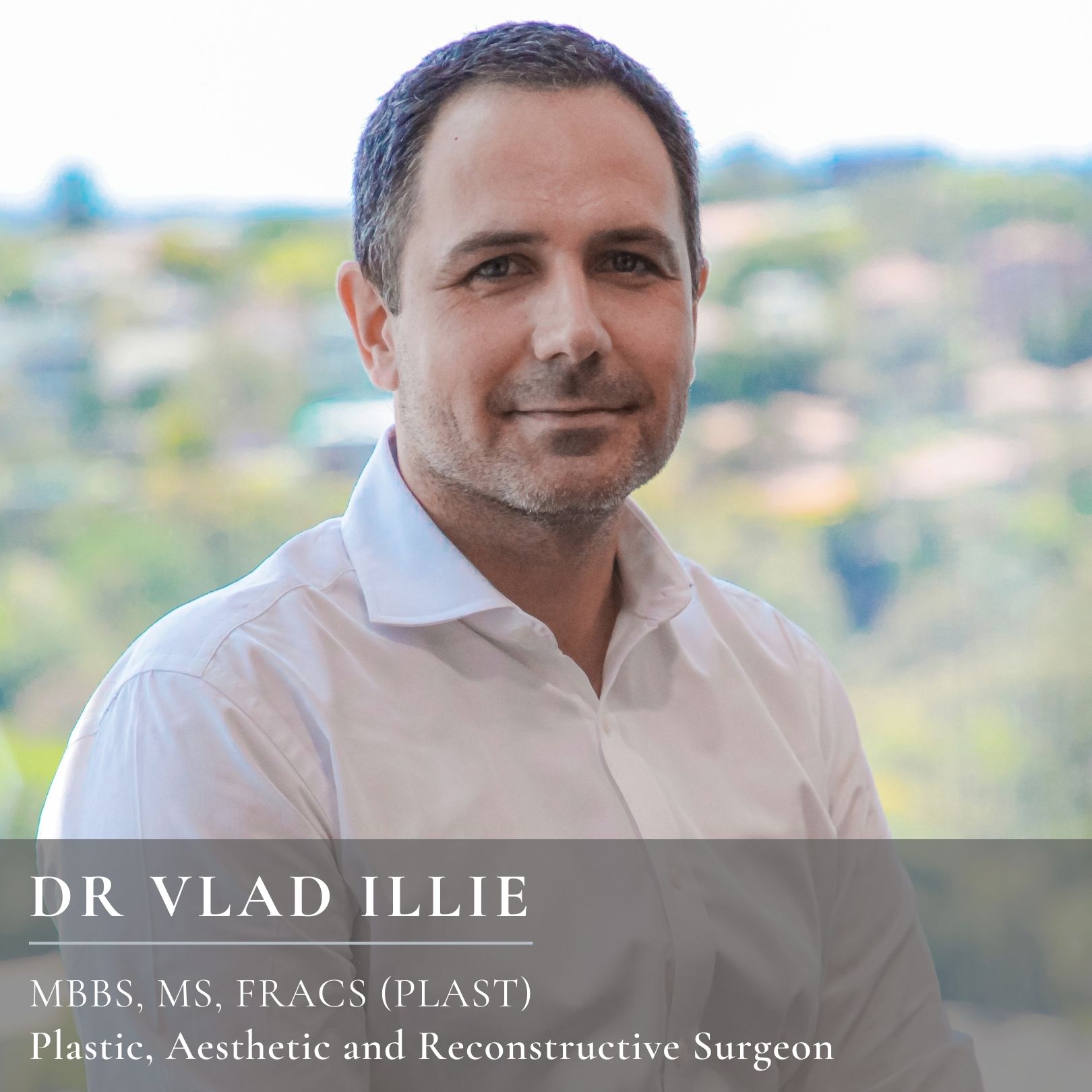
Dr Vlad ILLIE
Specialist Plastic and Reconstructive Surgeon
MBBS, MS, FRACS (plastic and reconstructive surgery)
AHPRA Registration Number MED0000966953
Dr Vlad ILLIE is a Sydney-based specialist plastic and reconstructive surgeon known for his meticulous surgical technique, patient‑centred philosophy, and commitment to natural, long‑term outcomes. With extensive experience across aesthetic and reconstructive surgery, he combines rigorous, research-led practice with a calm, thoughtful approach that supports patients through every stage of their surgical journey.
In addition to his operative work, patients can access a carefully chosen range of evidence-based non‑surgical treatments in his clinic, ensuring a cohesive and thoughtful pathway of care.
Ready to explore your options?
If you’re considering a procedure or simply want clarity on what suits you, starting with a conversation is the most helpful step. Our team offers thoughtful, personalised guidance to help you understand your options and your timing.
Read This Next
Behind the Curtain: What Actually Happens in Aesthetic Consultation and Treatment
For many women considering aesthetic treatment for the first time, a significant part of their hesitation has little to do with the treatment itself and considerably more to do with uncertainty about the process: what actually happens in a consultation, what questions...
The Longevity Equation: How Long Results Actually Last, and What Determines It
Among the questions I am asked most consistently in consultation, one stands out for how often the answer disappoints patients hoping for a simpler response: how long will this actually last? The honest answer is almost always some variation of 'it depends,' and while...
Top 3 Cosmetic Surgery Procedures That Deliver the Most Natural Results
When people consider cosmetic surgery, one of the most common goals is to achieve results that look refined and natural — not overdone or artificial. My team and I focus on precision, balance, and anatomical harmony, ensuring that each cosmetic procedure complements...
Plastic Surgery Articles – Dr Vlad ILLIE in Sydney
Explore clear, clinically grounded guidance on contemporary plastic surgery and cosmetic medicine. Each piece offers practical information to help you understand modern techniques, treatment considerations, and the principles that shape contemporary aesthetic...
Breast Augmentation Surgery in Sydney
Breast augmentation (augmentation mammoplasty) is a surgical procedure that involves placing implants to increase breast size or improve breast shape. It addresses concerns such as changes in breast volume that may occur after pregnancy, weight fluctuations, or...
Arm Lift Surgery in Sydney
An arm lift (brachioplasty) is a surgical procedure that addresses changes in the upper arm appearance that can occur after significant weight loss, ageing, or other factors, such as loose skin, excess fat deposits, and reduced arm contour definition. The...
Schedule a Consultation
Ph (02) 9101 4707
Fax (02) 9182 0092
office@drvladillie.com.au
Sydney Centre for Plastic Surgery
Suite 1702, Westfield Tower 2
101 Grafton St
Bondi Junction NSW 2022
Central Coast Aesthetics
Suite 2, Albany St North
Gosford NSW 2250
Breast Augmentation Sydney, Breast Surgery Sydney, Boob job Sydney, Breast Implants Sydney Eastern Suburbs, Breast Enlargement Sydney, Breast Enhancement, Breast Enhancement Sydney, Breast implant surgeon Sydney, Silicone Implants, Motiva Implants – Dr Vlad ILLIE, plastic surgeon Sydney
Breast Reconstruction Surgery Sydney, Breast Cancer Reconstruction Sydney, Diep Flap Surgery, Reconstructive Surgery, Breast Reconstructive Surgery, Breast Surgery Post-Breast Cancer, Breast Surgery Post-Mastectomy – Dr Vlad ILLIE, plastic surgeon St Vincent’s Hospital Sydney
Mummy Makeover, Saggy Breasts Surgery, Breast Lift & Implant, Boob lift, Breast enlargement and lift, Breast enhancement Sydney, Breast surgery post-pregnancy, Breast surgery post-weight loss – Dr Vlad ILLIE, plastic surgeon St Vincent’s Hospital Sydney
Breast Augmentation Sydney, Breast Surgery Sydney, Boob job Sydney, Breast Implants Sydney Eastern Suburbs, Breast Enlargement Sydney, Breast Enhancement, Breast Enhancement Sydney, Breast implant Surgeon Sydney, Silicone Implants, Motiva Implants – Dr Vlad ILLIE, plastic surgeon
Breast Revision, Breast Surgery Sydney, Breast implant revision, Breast augmentation revision, Breast implant replacement, Breast Implant Reduction, Breast Implant Replacement, Surgery for botched breasts – Dr Vlad ILLIE, plastic surgeon
Tuberous breast surgery Sydney, tuberous breast correction Sydney, tuberous breasts, plastic surgeon Sydney, cosmetic surgeon Sydney, severe tuberous breasts, mild tuberous breast, Tuberomastoplasty, Lollypop Breast Lift – Dr Vlad ILLIE, plastic surgeon Sydney
Asian Breast Surgery Sydney, Asian breast implants, Asian scar healing breast implants, Asian breast reduction Sydney, Asian breast revision Sydney – Dr Vlad ILLIE, plastic surgeon Bondi Junction
Breast implant removal Sydney, Breast explant Sydney, breast implant removal surgery, breast implant removal plastic surgeon Sydney, BREAST IMPLANT EXPLANTATION SURGERY, removal of the breast implants, breast implant revision procedures performed, including removal of breast implants – Dr Vlad ILLIE, plastic surgeon Sydney