
“I don’t feel sad or angry, but people keep asking if I’m okay.” I hear a version of this often, usually from patients noticing that the corners of their mouth have started to turn downward, giving their resting expression a look they don’t feel on the inside. It’s an incredibly common concern, and one with a clear anatomical explanation and several ways to address it.
Why Mouth Corners Turn Down With Age
A small muscle called the DAO literally pulls the mouth corners down — and with age, it can end up dominating your resting expression.
A Small Muscle With a Big Effect
Why This Muscle Starts to Dominate
Bone Changes
Treatment options
Neuromodulator for the DAO Muscle
Why Precision Matters Here
Dermal Filler
In some patients, filler placed at the corner of the mouth itself, or along the marionette lines running toward the chin, may help restore some of the lost structural support and soften the fold, without changing the overall shape or size of the mouth. This is often combined with the neuromodulator treatment above, since they address different contributing mechanisms — muscle pull versus volume loss.
However, there is a risk of the filler migrating over the years, creating a puffy appearance in the area.
Thread Lifts
Thread lifts are not part of my recommended approach for downturned mouth corners. Although they are often marketed as a quick, non‑surgical lift, their effect in this specific area is modest, short‑lived, and mechanically unreliable. The lower face is highly mobile, and threads placed here tend to lose tension early, create asymmetry, or produce visible irregularities as they settle. They also do not meaningfully counteract the true drivers of the problem — DAO muscle dominance, volume loss, and structural descent — which is why results often fade within months.
Beyond limited longevity, threads introduce unnecessary risks: internal tethering, contour distortions, prolonged tenderness, and difficulty performing future treatments in the same region. For these reasons, I do not use threads for mouth‑corner correction and prefer treatments with predictable biomechanics, stable longevity, and a cleaner safety profile.
Surgical Options
Supporting Skin Quality
Treatments that improve overall skin quality and thickness around the mouth help the area look less deflated and hollow, and work well alongside whichever structural treatment (filler, thread lift, etc.) is chosen to correct the sagging itself.
Skin Boosters
Injectable hyaluronic acid formulated for hydration rather than volume (e.g., Profhilo, Restylane Skinboosters, Juvéderm Volite) is placed in fine droplets through the superficial dermis around the mouth. Rather than physically lifting tissue, it stimulates fibroblast activity and collagen/elastin production while drawing in water, gradually improving skin elasticity, hydration, and thickness. This helps soften the crepey, thin-looking skin that often accompanies downturned mouth corners, giving the area a plumper, more resilient quality over a course of 2–3 sessions.
RF Microneedling with Specialised Serums
Radiofrequency microneedling (e.g., Morpheus8, Profound) creates controlled micro-injury channels in the dermis while delivering heat energy, triggering collagen remodeling and skin tightening from within. Immediately after treatment, the micro-channels are used to infuse targeted serums — often peptides, growth factors, or additional hyaluronic acid — deeper into the skin than topical application alone would allow. This combination approach improves both skin thickness and firmness, which helps support the corners of the mouth and reduce the appearance of loose, sagging tissue.
Skincare
A consistent topical regimen supports and prolongs the results of in-clinic treatments. Key actives for this area include:
- Retinoids to stimulate collagen turnover and improve skin thickness over time
- Peptides to support structural repair and firmness
- Antioxidants (vitamin C, niacinamide) to protect against further collagen breakdown
- Hyaluronic acid-based moisturizers to maintain hydration and skin plumpness
- SPF as a non-negotiable, since UV exposure is a major driver of collagen loss and skin laxity around the mouth
Laser
Fractional laser resurfacing (non-ablative options like fractional Nd:YAG, or ablative options like fractional CO2/Erbium depending on downtime tolerance) stimulates deeper collagen remodeling and tightens the skin’s surface texture. This can meaningfully improve skin thickness and quality around the mouth, smoothing fine lines and improving elasticity, which complements the effect of structural correction by making the surrounding skin appear healthier and less deflated rather than just repositioned.
Everyday Tips
- Consistent sun protection helps preserve skin quality around the mouth, just as it does elsewhere on the face.
- Facial awareness — noticing habitual frowning or downward expressions — can be a useful, low-cost first step.
- Hydration and a nutrient-supportive diet help maintain overall skin resilience.
- Treating this area earlier, before volume loss is significant, tends to involve simpler, less invasive options.
Frequently Asked Questions
Why do people keep asking if I’m okay when I’m not upset at all?
Is this the same thing as marionette lines?
How long does treatment for this typically last?
Can this be treated without surgery?
When would surgery actually be recommended for this?
Will treating this make my smile look different?
Is this purely an ageing issue, or can younger people have it too?
What’s the DAO muscle, and why does it matter here?
Can I do anything to prevent this from happening as I age?
How do I know if filler or neuromodulator is the right choice for me?
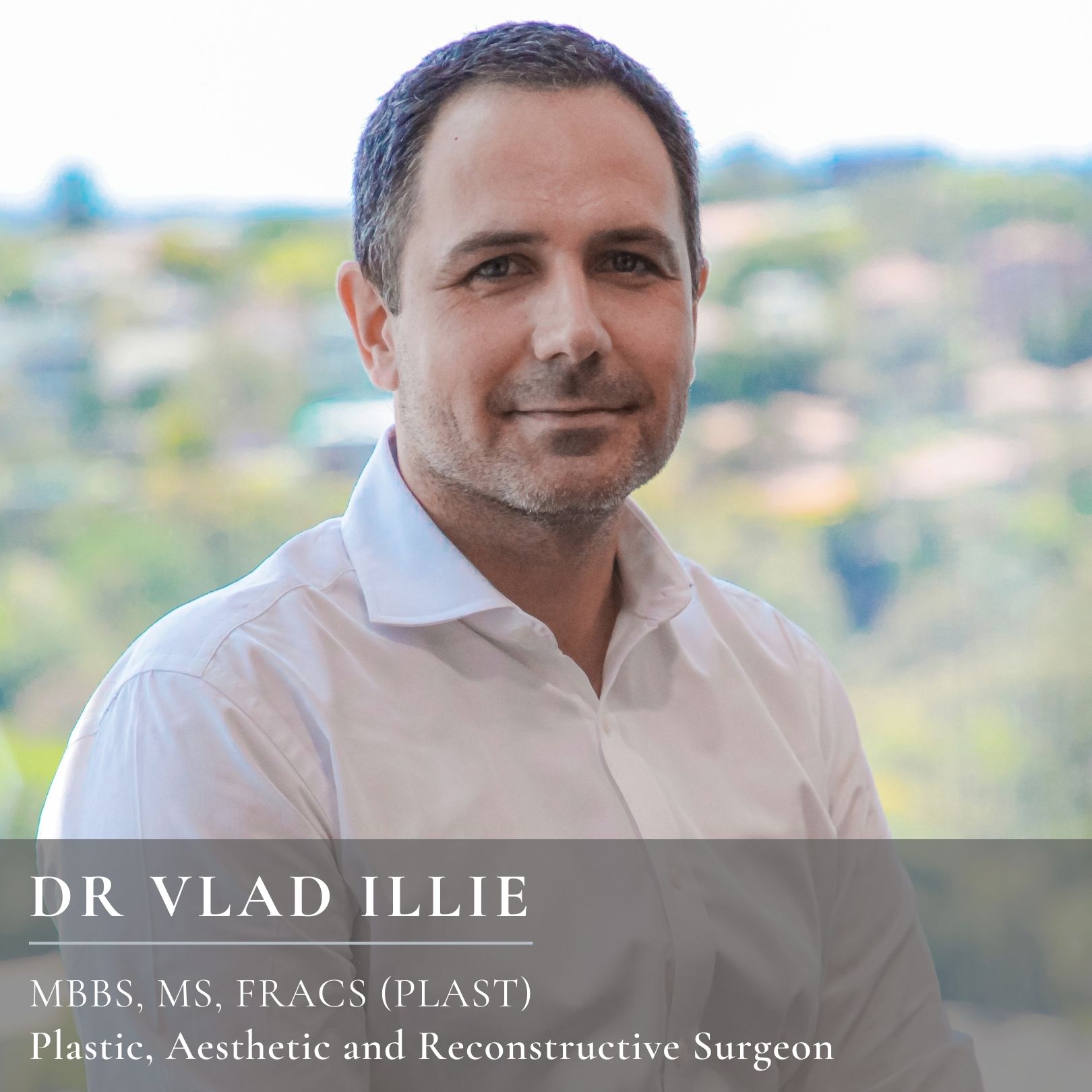
Dr Vlad ILLIE
MBBS, MS, FRACS (plastic and reconstructive surgery)
AHPRA Registration Number MED0000966953
Dr Vlad ILLIE is a Sydney-based specialist plastic and reconstructive surgeon known for his meticulous surgical technique, patient‑centred philosophy, and commitment to natural, long‑term outcomes. With extensive experience across aesthetic and reconstructive surgery, he combines rigorous, research-led practice with a calm, thoughtful approach that supports patients through every stage of their surgical journey.
In addition to his operative work, patients can access a carefully chosen range of evidence-based non‑surgical treatments in his clinic, ensuring a cohesive and thoughtful pathway of care.
Ready to explore your options?
Read This Next
Your Guide to In-Clinic Skin Rejuvenation Treatments
If you've ever searched "best anti-aging treatment" online, you'll know how confusing it gets. One week it's a new device, the next it's a serum promising to "erase" wrinkles overnight. As a specialist plastic and reconstructive surgeon, I sit down with patients every...
Understanding Pigmentation: The 5 Skin Concerns I See Most Often in Clinic
Sun spots, melasma, dark marks after acne, freckles, dark circles — they can look similar on the surface but come from very different places. Here's how I tell them apart, and what genuinely helps.Pigmentation is, by a wide margin, the concern I'm asked about most in...
Invisible Transformations: The Aesthetic Changes No One Names, But Everyone Notices
There is a particular kind of comment I hear often in consultation: 'She looks wonderful, but I can't say why.' It is usually offered about a friend, a colleague, or a public figure who has undergone some form of aesthetic refinement — and the inability to name the...
Plastic Surgery Articles – Dr Vlad ILLIE in Sydney
Explore clear, clinically grounded guidance on contemporary plastic surgery and cosmetic medicine. Each piece offers practical information to help you understand modern techniques, treatment considerations, and the principles that shape contemporary aesthetic...
Breast Augmentation Surgery in Sydney
Breast augmentation (augmentation mammoplasty) is a surgical procedure that involves placing implants to increase breast size or improve breast shape. It addresses concerns such as changes in breast volume that may occur after pregnancy, weight fluctuations, or...
Arm Lift Surgery in Sydney
An arm lift (brachioplasty) is a surgical procedure that addresses changes in the upper arm appearance that can occur after significant weight loss, ageing, or other factors, such as loose skin, excess fat deposits, and reduced arm contour definition. The...
Schedule a Consultation
Ph (02) 9101 4707
Fax (02) 9182 0092
office@drvladillie.com.au
Sydney Centre for Plastic Surgery
Suite 1702, Westfield Tower 2
101 Grafton St
Bondi Junction NSW 2022
Central Coast Aesthetics
Suite 2, Albany St North
Gosford NSW 2250
Breast Augmentation Sydney, Breast Surgery Sydney, Boob job Sydney, Breast Implants Sydney Eastern Suburbs, Breast Enlargement Sydney, Breast Enhancement, Breast Enhancement Sydney, Breast implant surgeon Sydney, Silicone Implants, Motiva Implants – Dr Vlad ILLIE, plastic surgeon Sydney
Breast Reconstruction Surgery Sydney, Breast Cancer Reconstruction Sydney, Diep Flap Surgery, Reconstructive Surgery, Breast Reconstructive Surgery, Breast Surgery Post-Breast Cancer, Breast Surgery Post-Mastectomy – Dr Vlad ILLIE, plastic surgeon St Vincent’s Hospital Sydney
Mummy Makeover, Saggy Breasts Surgery, Breast Lift & Implant, Boob lift, Breast enlargement and lift, Breast enhancement Sydney, Breast surgery post-pregnancy, Breast surgery post-weight loss – Dr Vlad ILLIE, plastic surgeon St Vincent’s Hospital Sydney
Breast Augmentation Sydney, Breast Surgery Sydney, Boob job Sydney, Breast Implants Sydney Eastern Suburbs, Breast Enlargement Sydney, Breast Enhancement, Breast Enhancement Sydney, Breast implant Surgeon Sydney, Silicone Implants, Motiva Implants – Dr Vlad ILLIE, plastic surgeon
Breast Revision, Breast Surgery Sydney, Breast implant revision, Breast augmentation revision, Breast implant replacement, Breast Implant Reduction, Breast Implant Replacement, Surgery for botched breasts – Dr Vlad ILLIE, plastic surgeon
Tuberous breast surgery Sydney, tuberous breast correction Sydney, tuberous breasts, plastic surgeon Sydney, cosmetic surgeon Sydney, severe tuberous breasts, mild tuberous breast, Tuberomastoplasty, Lollypop Breast Lift – Dr Vlad ILLIE, plastic surgeon Sydney
Asian Breast Surgery Sydney, Asian breast implants, Asian scar healing breast implants, Asian breast reduction Sydney, Asian breast revision Sydney – Dr Vlad ILLIE, plastic surgeon Bondi Junction
Breast implant removal Sydney, Breast explant Sydney, breast implant removal surgery, breast implant removal plastic surgeon Sydney, BREAST IMPLANT EXPLANTATION SURGERY, removal of the breast implants, breast implant revision procedures performed, including removal of breast implants – Dr Vlad ILLIE, plastic surgeon Sydney